Austrian Patients Feel the Benefits of Hospital Group’s New Telehealth Service

Salzburg, Austria
An evolving health care landscape has led Salzburg Landeskliniken (SALK) to introduce telehealth into its services. SALK is the largest health care provider in Salzburg, a state in western Austria on the border with Germany. It’s an Alpine region with many mountains and valleys that can make it hard for the rural population to reach one of SALK’s hospitals, three of which are in the city of Salzburg.
Living in a rural area is just one reason why the traditional model of accessing health care can be challenging. Disabilities or old age can also make it hard to attend medical appointments—as can taking time off work and organizing childcare. And regardless of physical condition or geographic location, many people face the problem of long wait times to even get an appointment. Sixty-one percent of people in Germany and 73% of people in the UK thought it took too long to see a doctor in 2021[1].
Telehealth is one way to solve these problems. Although not suitable for every type of consultation, the potential is large: McKinsey suggests that 20% of emergency room visits and 24% of office and outpatient visits could be shifted to virtual care delivery[2].
Unsurprisingly, use of telehealth services increased during the pandemic. Health care systems were engaging virtually with patients long before 2020, but now more patients and physicians have had the chance to experience it for themselves. They’ve seen how it removes many of the traditional obstacles to accessing health care, increases flexibility and improves the patient-physician relationship.
This has created more interest in telehealth technology, and the positive feelings could well persist beyond the worst of Covid-19; in 2020, 76% of US patients said they were interested in using it[2] and 64% of US physicians said they viewed it more favorably than previously[3]. SALK itself conducted a survey and found that two-thirds of respondents felt positively about the idea of using telehealth applications[4].
These changes are part of a paradigm shift in the way patients, providers and physicians think about health care delivery. Patients want greater convenience and easier access to clinicians; nearly one in five US patients will go elsewhere if they can’t be seen within a day[5]. Providers and physicians know that they can now deliver quality care remotely via a patient’s smartphone, tablet or PC. One survey found that 52.5% of clinicians felt that virtual visits increased efficiency while delivering the same quality as in-person visits[6].
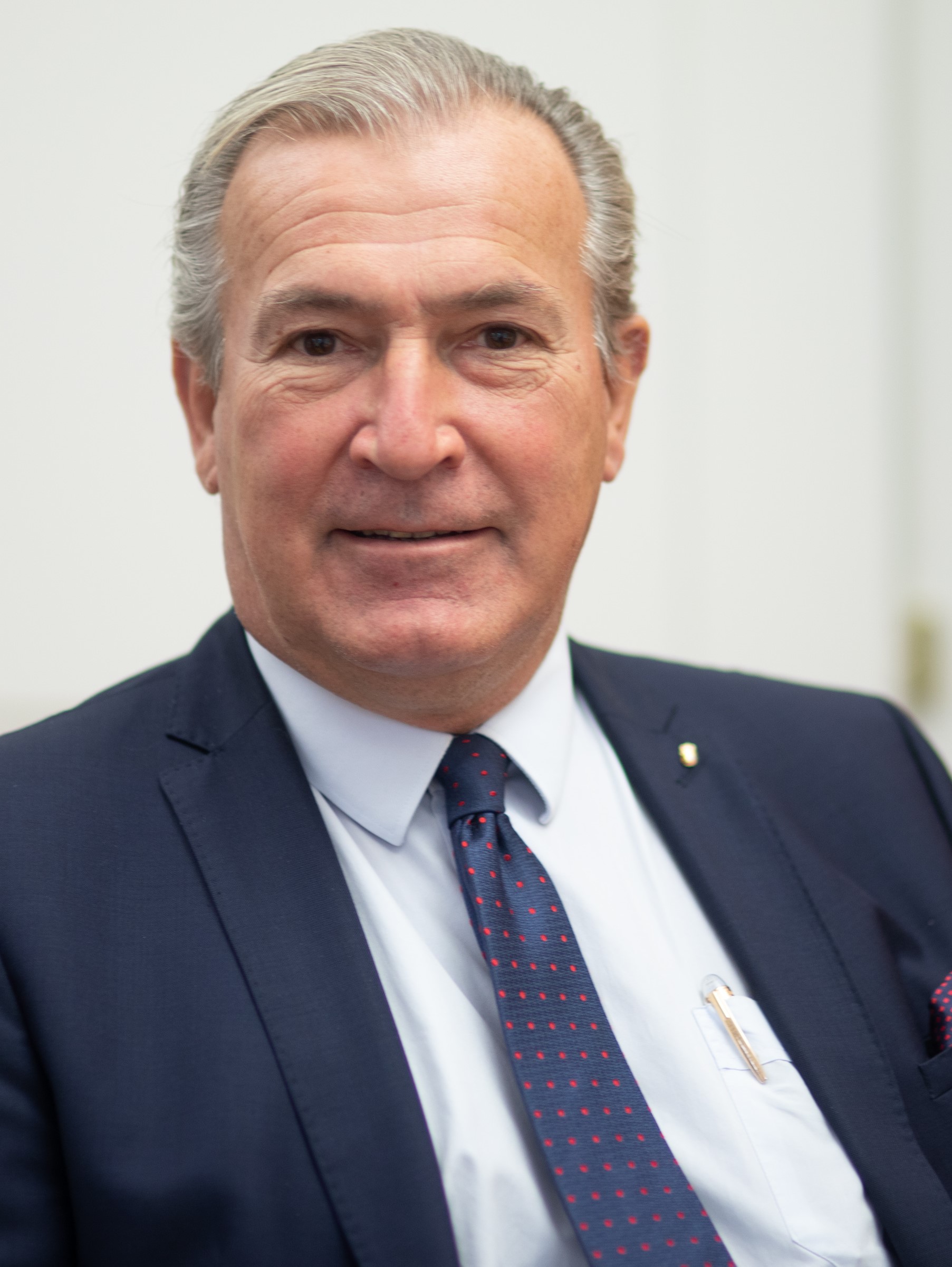
SALK has long understood the value of digital health solutions and began digitalizing its services several years ago. So, adding telehealth to improve access to care was a natural next step. “The long journeys, together with the increasing necessity of the population to have technology, have led to an increased demand for telehealth services,” says Priv. Doz. Dr. Paul Sungler, Managing Director of SALK.
Many telehealth providers exist in the market—but since SALK already uses a digital health platform from Siemens Healthineers, it chose a telehealth system from the same company.
Departments such as dermatology, orthopedics, traumatology and psychosomatics are now offering virtual checkups and follow-up appointments to eligible SALK patients. The physicians can allocate specific time slots to virtual visits in their daily schedules, while still keeping slots free for in-person appointments. Physicians can review comprehensive and summarized patient health records through the digital health platform in advance to be well informed on a patient’s health status. During the virtual visit, all relevant patient data can be seen on the screen without switching between applications.
SALK’s telehealth workflow starts with an on-site consultation with the patient. This allows the physician to assess whether the patient is suitable for and interested in receiving virtual care. The physician explains how telehealth works, provides information materials and clarifies any data protection issues.
Back at home, the patient can then book a virtual visit on a PC, tablet or smartphone, either by visiting the SALK website directly or accessing it with a QR code. At the scheduled time, the patient enters a virtual waiting room. When the video conversation starts, the physician confirms the patient’s identity and begins the virtual visit.

The new system promises numerous benefits: It gives SALK patients a convenient way to make appointments that doesn’t involve waiting in line on the phone; wait times, both to get an appointment and be seen by a doctor, are likely to be shorter; and there’s no need to travel: “With the possibility of a SALK virtual visit, we are significantly improving the quality of care. Patients no longer have to travel to the clinic, and can be treated in their own home environment. In addition, any waiting time can be bridged comfortably within their own four walls,” says Professor Dr. Jürgen Koehler, Medical Director of Salzburg University Hospital, which is part of SALK.
There is also a good chance that the new setup will create better relationships between physicians and patients. SALK expects that patients will become more actively involved in their treatment and be enabled to take more responsibility for their own health. Higher patient engagement can have a positive impact on a patient’s outcome and their overall experience of the health care service.
SALK’s experience with telehealth technology shows how it can overcome geographical limitations, connect rural areas to metropolitan health care hubs and enable more patient-centered care. Active use of the technology should also help increase acceptance of virtual visits among patients and physicians.
Beyond Austria, providers in countries that also serve remote populations are embracing telehealth. Regions such as Latin America, Southeast Asia and Africa can gain much from the technology, which gives everyone better access to care.
Learn more about the benefits of telehealth here.
Explore other customer stories here.
References
[2] Bestsennyy, O., Gilbert, G., Harris, A., Rost, J. (2020). Telehealth: A quarter-trillion-dollar post-COVID-19 reality? McKinsey & Company. https://www.mckinsey.com/industries/healthcare-systems-and-services/our-insights/telehealth-a-quarter-trillion-dollar-post-covid-19-reality
[3] Cordina, J., Malani, R., Medford-Davis, L., Vinjamoori, N. (2020). Physicians examine options in a post-COVID-19 era. McKinsey & Company. https://www.mckinsey.com/industries/healthcare-systems-and-services/our-insights/physicians-examine-options-in-a-post-covid-19-era
[4] siemens-healthineers_DH_ehealth-virtual-visit_Success_Story_SALK_.pdf, available from: https://www.siemens-healthineers.com/digital-health-solutions/digital-solutions-overview/telehealth
[5] Rise of the Practical Patient, eBook available from: https://www.solvhealth.com/for-providers/ebooks/rise-of-the-practical-patient-urgent-care
[6] Donelan, K. et al. Patient and Clinician Experiences with Telehealth for Patient Follow-up Care. Am J Manag Care. 2019; 25(1): 40–44. https://pubmed.ncbi.nlm.nih.gov/30667610/