s
a
u
d
i
a
r
a
b
i
a
:
stars
align
in
the
new
value
chain
era
What Are Special Economic Zones?
Saudi Arabia launched four new SEZs in April 2023, each
designed around sector-specific clusters of international
significance.
These sectoral clusters—geographical concentrations of
businesses, suppliers and institutions—operate within
strategic sectors.
SEZs provide advanced infrastructure, enable business collaboration, support seamless operations and efficient use of resources.


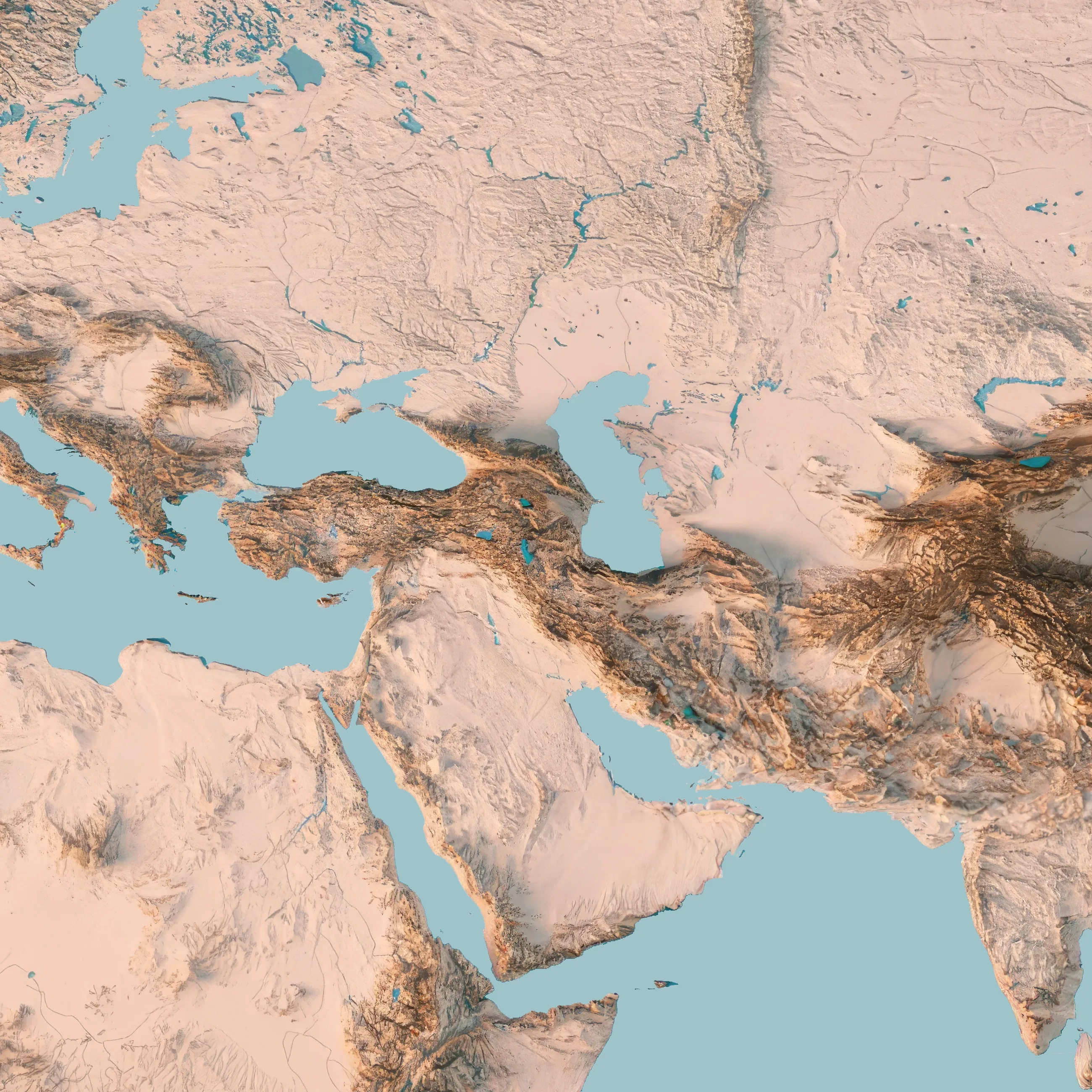
Saudi Arabia’s SEZs offer new, globally significant supply chain constellations. Sectoral clusters nurtured within the Kingdom’s SEZs include:
Why sectoral clusters matter more than ever
Amid rising cross-border costs and policy uncertainty, sectoral
clusters that support full value chains offer global businesses
a vital hedge. Bloomberg Intelligence’s Global Tariffs 2025
Outlook warns that trade tensions are likely to impact global
commerce and industrial output—with uncertainty only growing.
Embracing sectoral clusters enables Saudi Arabia to develop a
more diversified and innovative economy. This ambition is
central to its
Saudi Vision 2030
blueprint, with each cluster aligning to a priority sector of
the Kingdom’s accelerating economic transformation.
Plug-and-play: The benefits for global businesses
Sectoral clusters in Saudi Arabia’s SEZs offer a range of advantages for global businesses:
Proximity to Tier 1, 2 and 3 suppliers streamlines manufacturing and reduces logistical costs. At Ras Al‑Khair SEZ, for example, anchor tenants source feedstock from a nearby offshore steel ecosystem. Ready access to ports and logistics hubs enables just-in-time delivery.
Ready-to-use facilities reduce upfront costs and speed up operations. King Abdullah Port’s dedicated RoRo (roll-on/roll-off) terminals ensure smooth transport of components and vehicles.
Best-practice regulations providing the transparency, predictability, and flexibility global businesses need to operate and grow with confidence.
Located on the Red Sea and Arabian Gulf* trade lanes, the zones tap directly into world-class ports, airports, and express freight corridors— cutting transit times and expanding market reach.
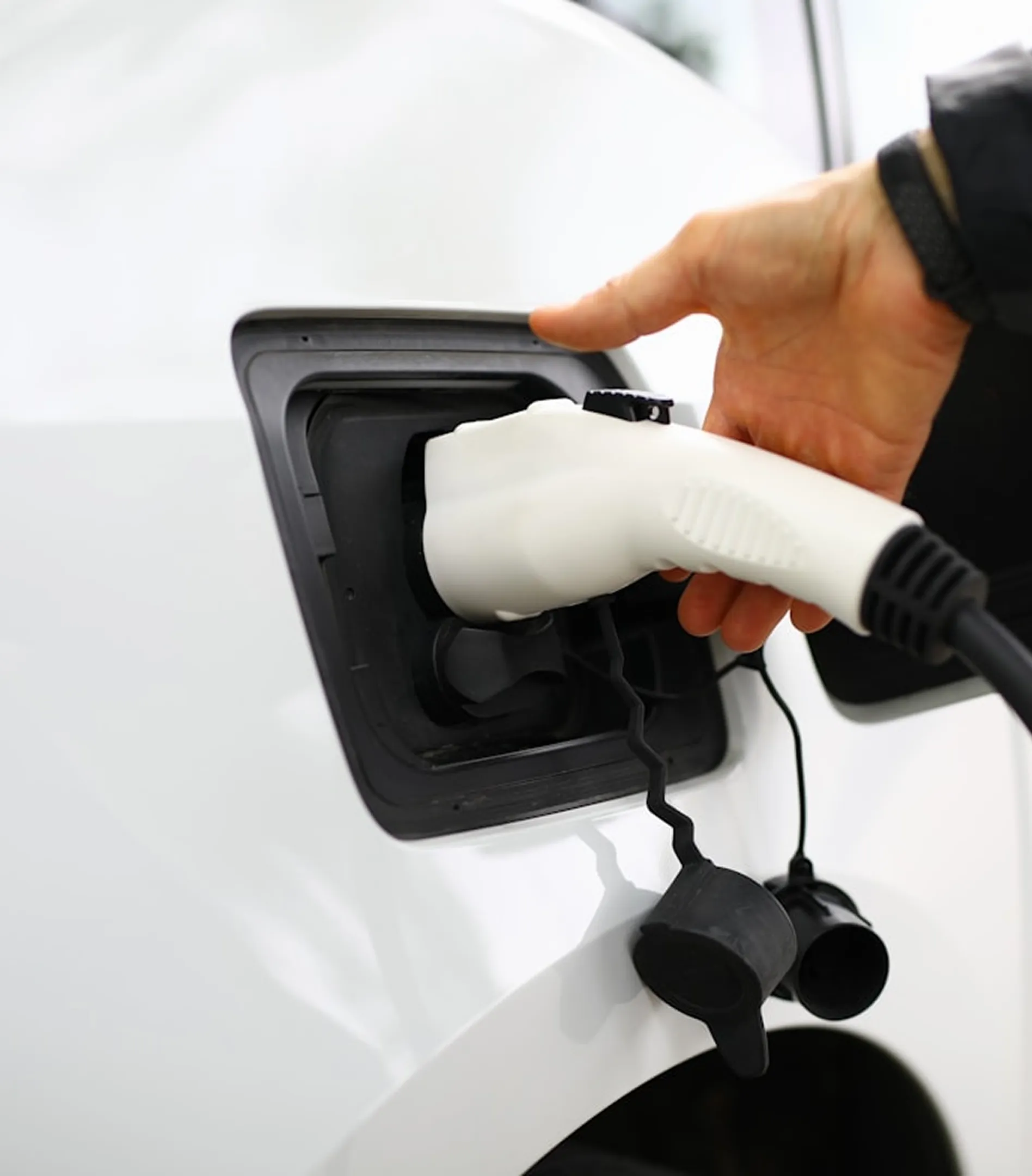
Each cluster focuses on specialized skills, from electric vehicle (EV) manufacturing at KAEC SEZ to maritime industries at Ras Al‑Khair SEZ. Progressive regulations streamline the hiring of leading global talent.
ECZA: The strategic accelerator behind the zones
Saudi Arabia’s Economic Cities and Special Zones Authority
(ECZA) is the umbrella regulator for the Kingdom’s SEZs and
Economic Cities, and an accelerator for economic
transformation and growth.
Leveraging one of the G20’s fastest growing economies with the
lowest debt to GDP ratios, ECZA works with each SEZ to craft
distinct value propositions for each zone, positioning them
competitively in a shifting global economy.
At the heart of ECZA's strategy is a commitment to simplicity
and efficiency. This investor-centric approach ensures that
businesses can navigate regulatory frameworks easily.
Aligned with Saudi Vision 2030, ECZA fosters an
investor-friendly environment to attract FDI, drive non-oil
exports and create jobs.
Through its integrated government service offering — the
One-Stop-Shop — ECZA is facilitating efficient ways of doing
business in the SEZs, leveraging digital platforms and
technologies. Company licensing processes are streamlined and
touchpoints with multiple entities are reduced, making it
easier for investors to set up and operate while improving on
cost, time, and overall business value.
INSIDE SAUDI ARABIA’S SEZs
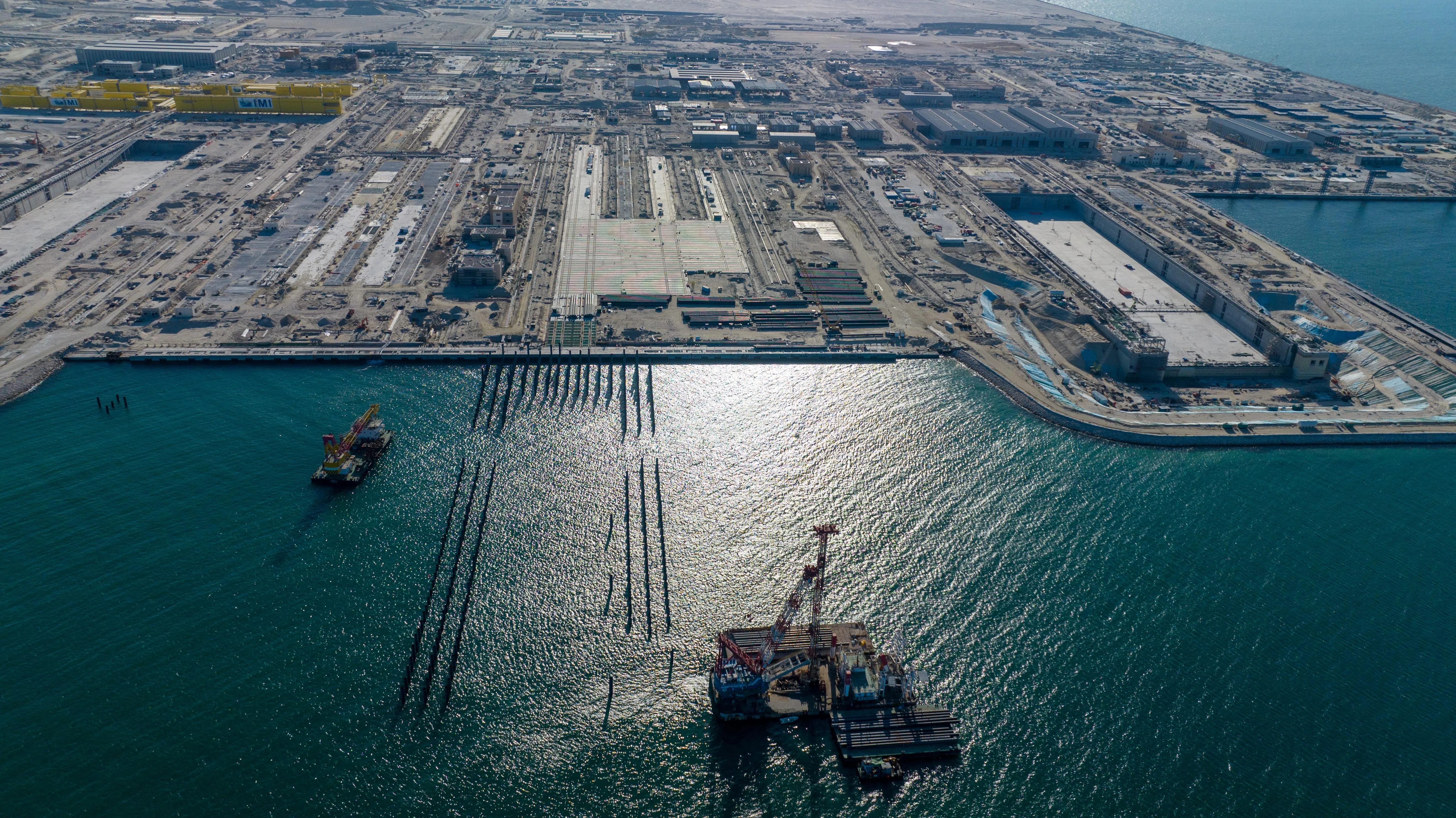
RAS AL-KHAIR SEZ
The zone is strategically located near Ras Al-Khair Port, which has 14 berths for both general and bulk cargo, a total annual capacity of 35 million tons, and resilient operations that support reliable shipping to and from Saudi Arabia.
-
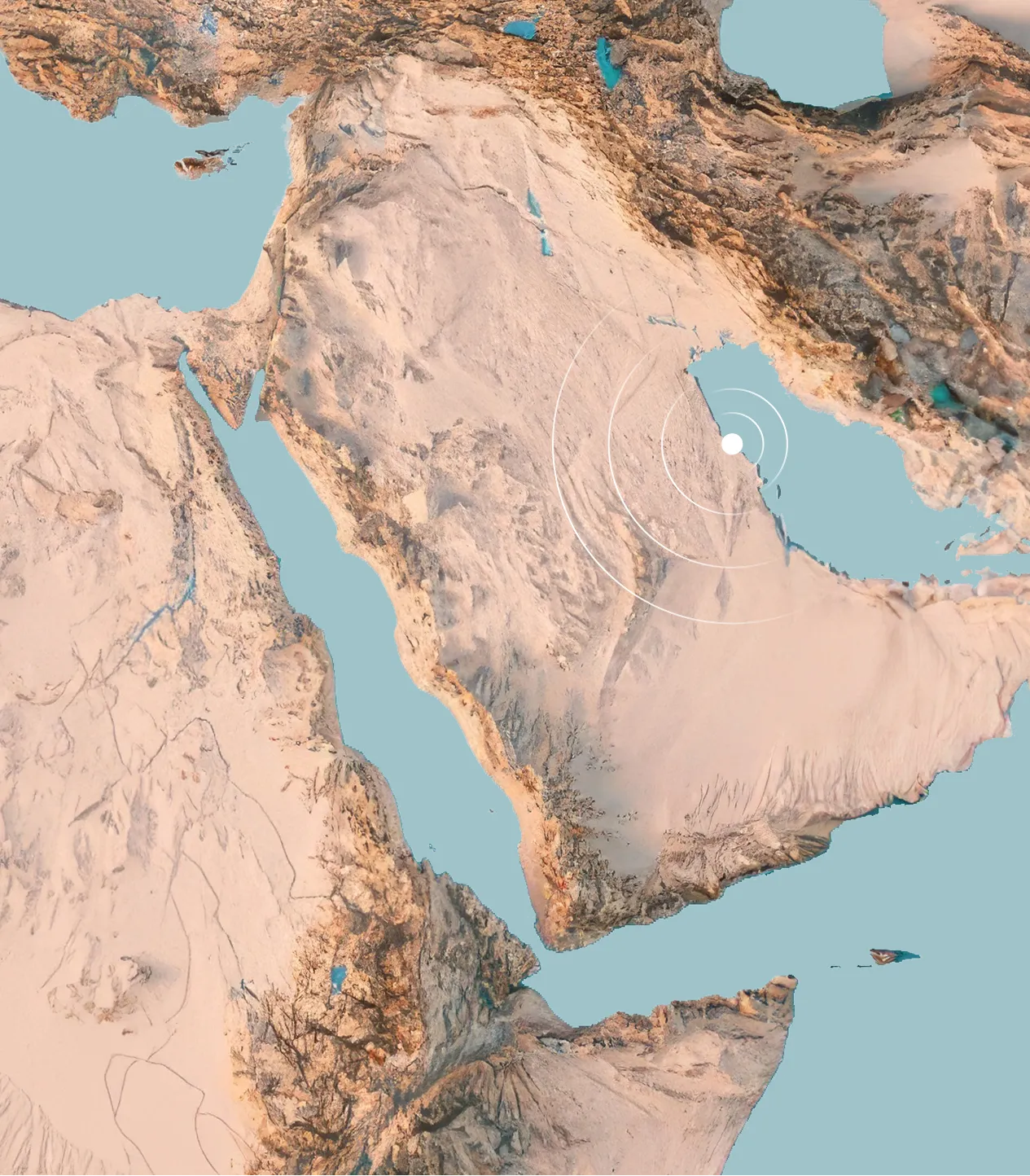
Located on thearabian gulf
-
0 km²88 km²Land area
-
$0b$8bTotal investments attracted
Building
the future
of Maritime
the future
King Salman International Complex for Maritime Industries and Services
-
MENA’s largest maritime yard (aiming to be world’s biggest)
-
80,000+Direct & indirect jobs projected
Smart Infrastructure at King Salman International Complex for Maritime Industries and Services
Tech-enabled infrastructure with:
-
AI
-
Biometrics
-
IoT Systems
Anchor investors including:
-
International Maritime Industries (IMI)A joint venture between Aramco, Bahri, Hyundai Heavy Industries, and Lamprell.
-
Saudi Engines Manufacturing Company (Makeen)A joint venture between Aramco, Hyundai Heavy Industries, and Saudi Arabian Industrial Investments Company (Dussur).
-
BAP Al‑Khair Steel CompanyA joint venture between Aramco, Baosteel, and Public Investment fund (PIF).
-
McDermott Arabia Company LTSSubsidiary of McDermott International, Ltd.
King Abdullah
Economic City (KAEC) SEZ
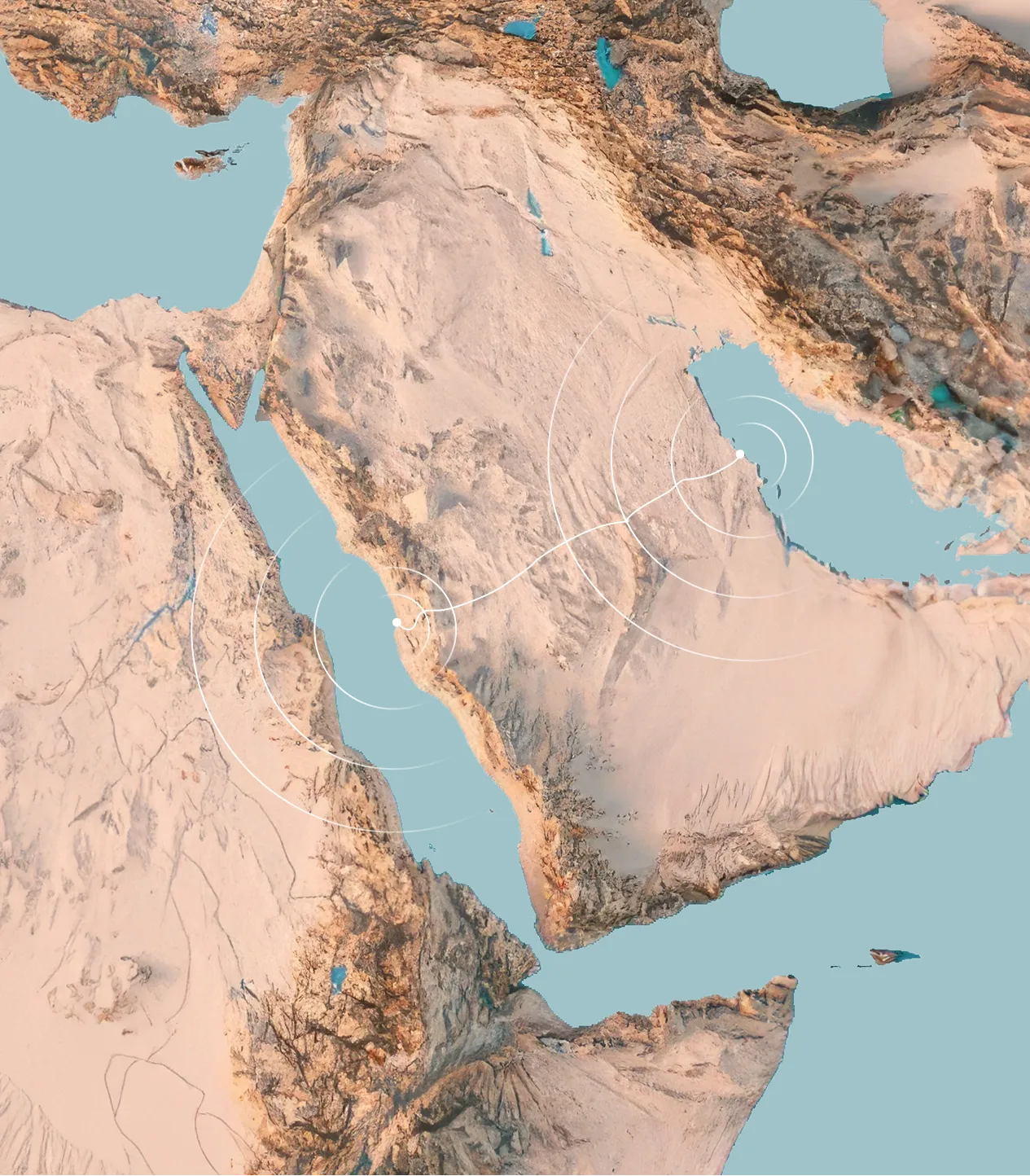
The advanced railway network in the Kingdom will further enhance KAEC SEZ logistical value, including the recently announced coast-to-coast line linking the Red Sea and the Arabian Gulf for the first time.
-
On the Red SeaJust one hour from Jeddah
-
0 km²88 km²Land area
Saudi's
Automotive
Powerhouse
Automotive
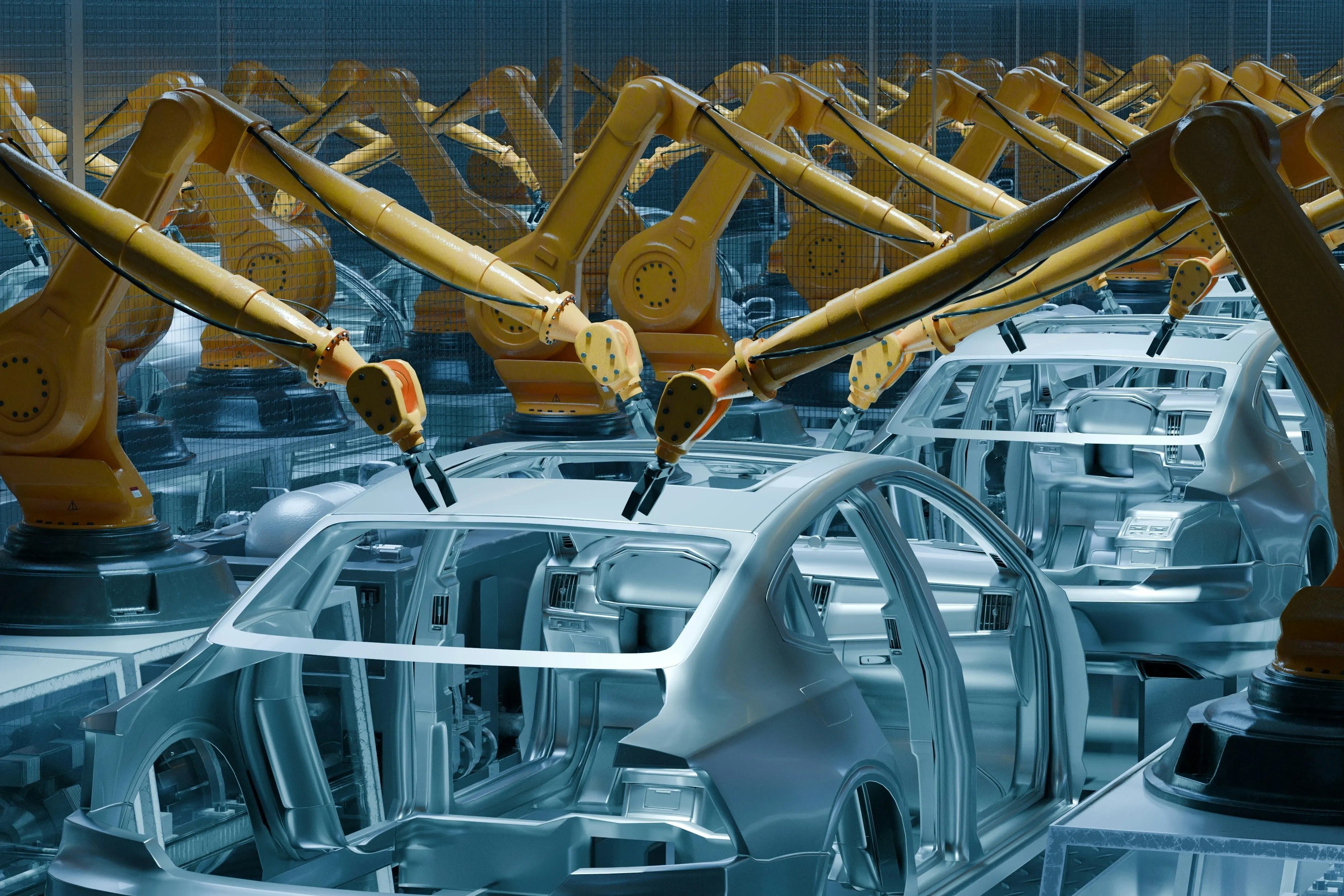
The cluster aims to host the entire automotive value chain,
from component production through final assembly, making Saudi
Arabia a competitive global player in the industry.
It enables OEMs and Tier 1 and Tier 2 suppliers to co-locate
for seamless manufacturing operations while strengthening
supply chain resilience. With leading global automotive brands
already establishing operations, the cluster stands out as the
region's think-tank and innovation hub.
Next-Gen EV Manufactures
- Lucid Motors
-
Current5,000 EVs/year
-
Target155,000 EVs/year
- Ceer
-
Saudi Arabia's first EV brand
-
Target240,000 EVs/year
Anchor Investors
-
Hyundai Motors Manufacturing Middle East
-
JV with PIF
-
Target output50,000 vehicles/year
-
MixEVs + Internal Combustion
-
Investment$500M+
-
MENA Tyre Manufacturing Company
-
JV between PIF and Pirelli
-
Tire manufacturing investment

Jazan SEZ
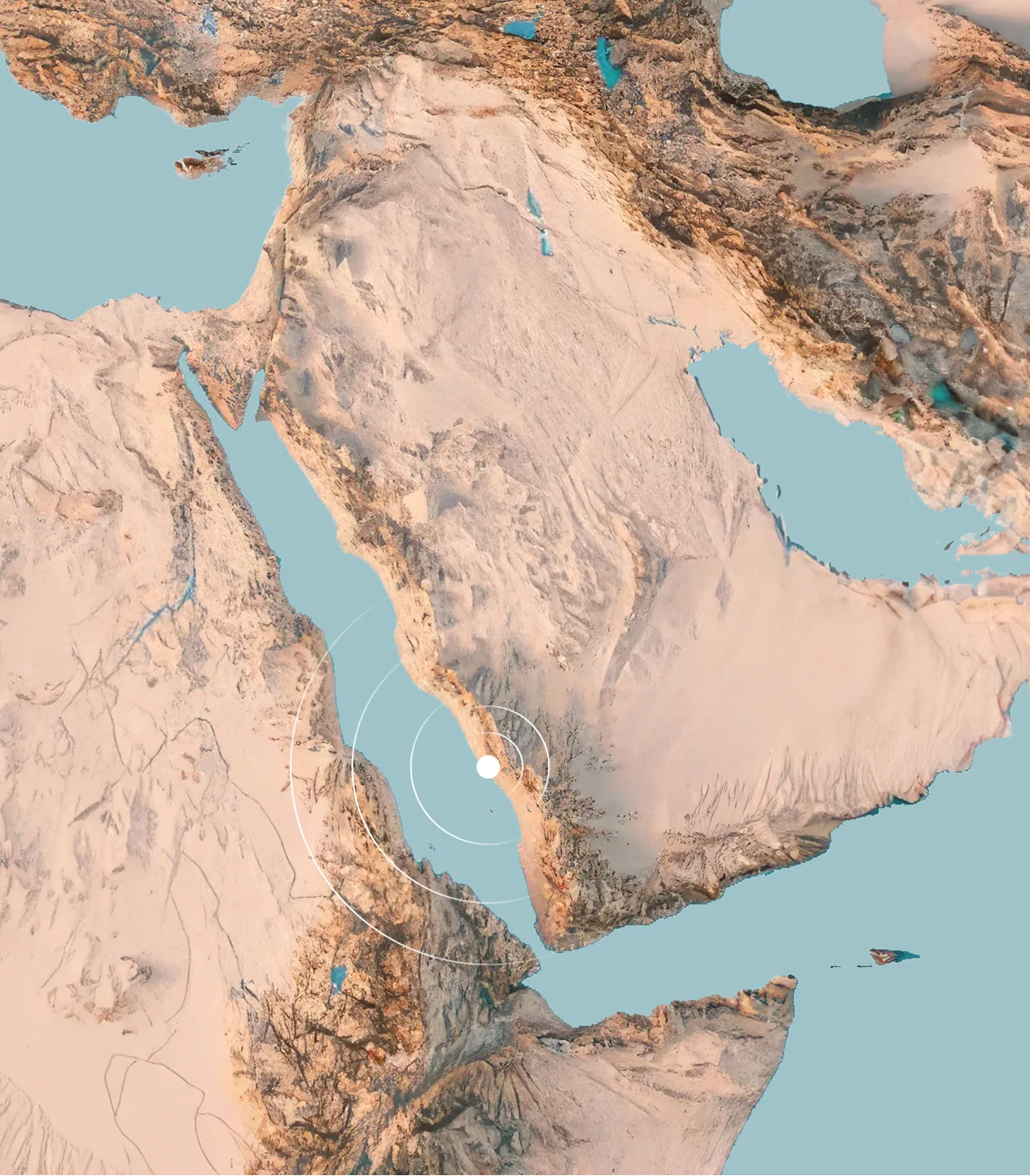
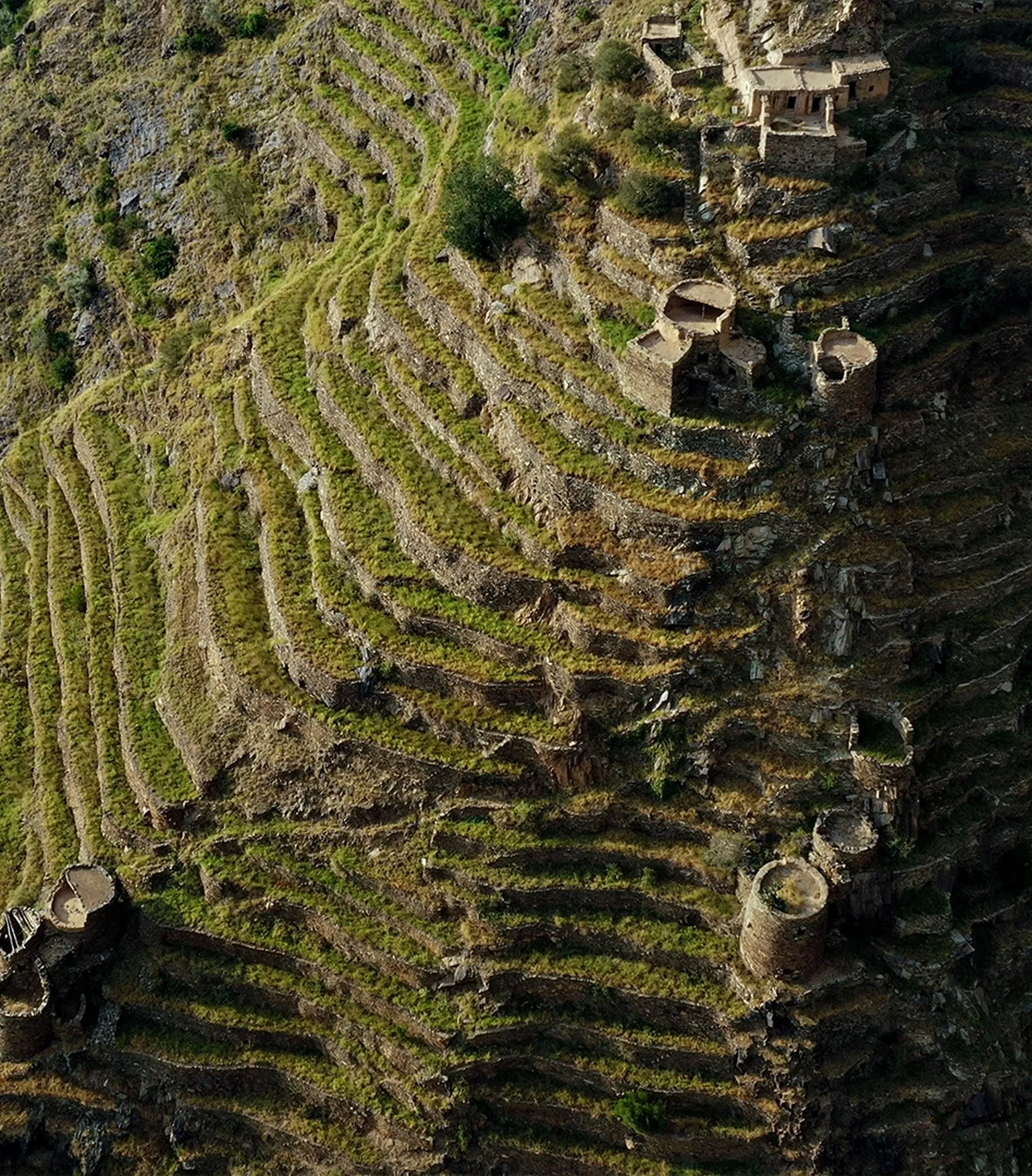
The zone lies within Jazan City for Primary and Downstream
Industries (JCPDI), offering easy access to the Port of
Jazan, a pivotal Red Sea export hub. As such, Jazan SEZ
offers a unique geostrategic location that is a gateway to
Africa, Europe and the Middle East and facilitates
connections with global supply chains.
Jazan SEZ will facilitate Saudi Arabia’s mining industry to
play a growing role in global construction and the processed
metals and minerals markets.
-
Strategically located on theRed Sea
-
0 km²8,888 km²Land area
-
$0b$888bof pipeline investment opportunities
The Southern Gateway of the Kingdom to World Markets

Cloud Computing
SEZ
Cloud computing will serve as the catalyst for emerging
technologies and sectors, fostering innovation and growth.
The priority sectors that cloud companies will serve in the
zone include, but are not limited to, Smart Mobility,
Digital Healthcare, and Industry X.0
-
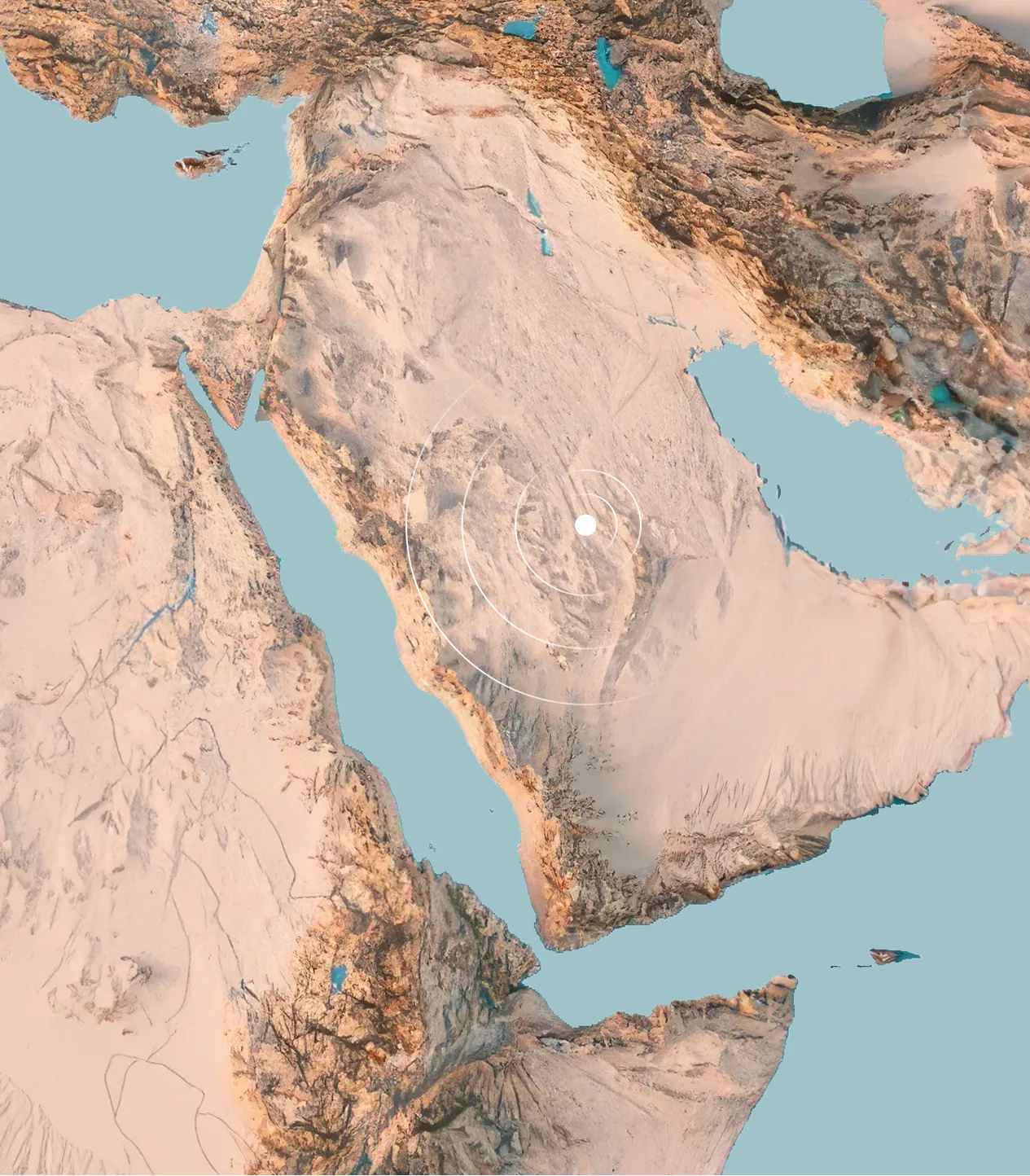
Headquartered inRiyadh
-
Ability for investors to build and operatedata centers across saudi arabia
-
Home to emerging and disruptive technologiesthe Kingdom’s own ‘silicon valley’
Powering
Saudi Arabia's
Cloud
Infrastructure
Saudi Arabia's
Infrastructure
Key goals
by 2030
To make Saudi Arabia a regional hub in advanced computing
technologies and a growth engine for the ICT sector.
-
Stimulate investment in the sector
-
Accelerate growth of the digital economy
-
Create distinctive jobs and upskill local talents

Saudi Arabia’s SEZ vision: Unlocking ‘win‑win’ opportunities
Amid shifting global trade dynamics, many businesses are recalibrating their supply chains. Investing in the right SEZ opens opportunities for cost-efficient localization—and for finding certainty in uncertainty.
ECZA aims to catalyze conversations that shape the future of SEZs
globally, and to provide stellar examples of how these zones can
offer win-win investment opportunities.
Investors in Saudi Arabia benefit from world-class infrastructure,
domestic stability, proximity to growing markets and government
agencies working collaboratively to achieve Saudi Vision 2030’s
goals.
Factor in the many advantages of sectoral clusters, and it’s easy
to see how Saudi Arabia’s SEZs could become indispensable to some
of the world’s biggest industries.