Culture has long been a marker of taste and influence. But cultural capital today is broader than knowing the next big artist, restaurant or hangout. It’s the ability to understand why something matters, read unfamiliar contexts and recognize shifts in taste, behavior and identity before they become obvious.
That makes cultural fluency increasingly valuable beyond the worlds of art and design. It can sharpen judgment, strengthen cross-border relationships and help us make better decisions in unfamiliar markets.
So what are the new rules of building cultural capital?
Across conversations with leaders in art, hospitality and business, we explore four ways to build cultural capital: forming independent judgment, expanding our frame of reference, developing cultural fluency and recognizing meaningful shifts.
Contributors
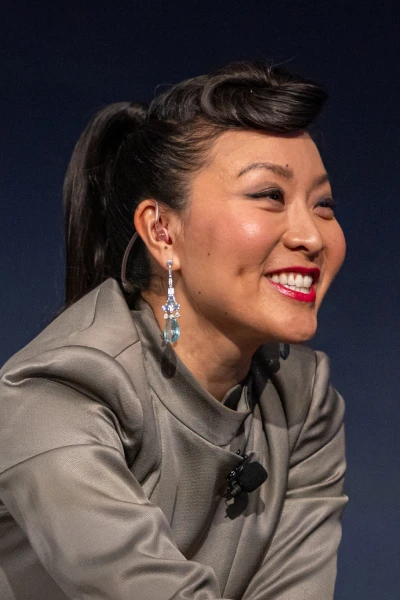
Phyllis Kao
Vice President, Luxury Division and Auctioneer
Sotheby's
Phyllis Kao is Vice President of Luxury and Auctioneer at Sotheby’s, with expertise spanning fine art, jewelry and natural history.
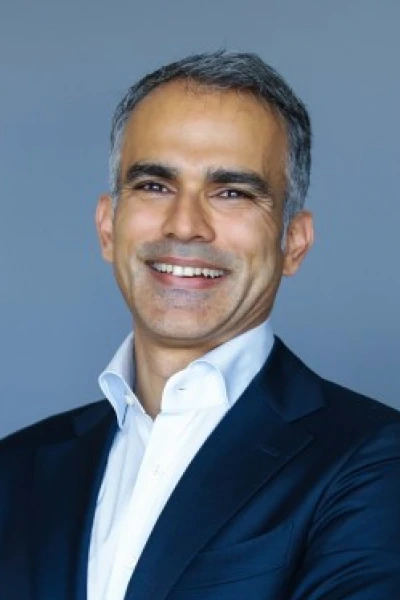
Manav Futnani
Global Head of Export Finance
HSBC
Manav Futnani is Global Head of Export Finance at HSBC, and a keen art collector with particular interests in contemporary art and cultural institutions.
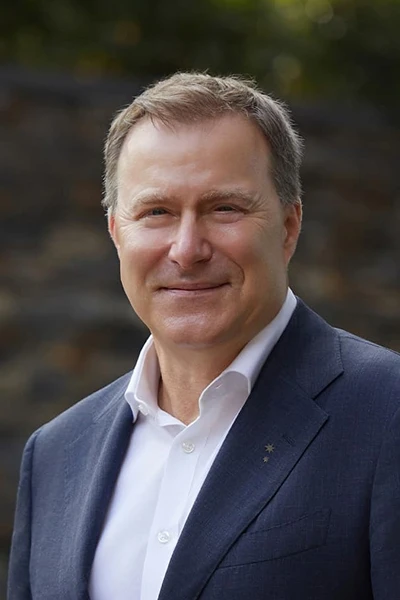
Roland Fasel
President
Capella Hotel Group
Roland Fasel is President of Capella Hotel Group, overseeing global operations and portfolio growth across the Capella and Patina brands.
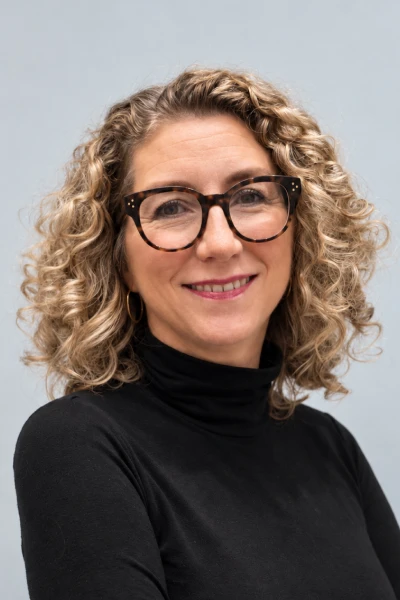
Lisa Green
Managing Director, Content
The 50
Lisa Green is Managing Director, Content at The 50 (formerly 50 Best), overseeing the global content strategy and editorial direction across its portfolio of restaurants, bars, hotels and vineyards.
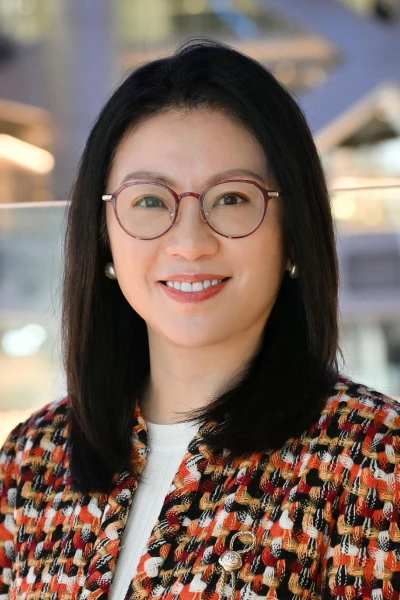
Maggie Ng
Chief Executive Officer
HSBC Hong Kong
Maggie Ng is Chief Executive Officer of HSBC Hong Kong, connecting clients and businesses across Hong Kong, mainland China and international markets.
Develop a mind of your own.
In a world of abundant recommendations, rankings and expert opinion, the harder skill is knowing what really deserves our attention.
How do you develop a strong point of view that tells you when to trust the consensus – and when to trust your own eye?
Train your eye on things that have already survived scrutiny.
 Phyllis KaoVice President, Luxury Division and Auctioneer, Sotheby's
My own eye was trained by evaluating works every day as an art specialist. When you're constantly asking, Is it real? What is it? and dealing with somebody else's money, you’ve got to be sure, and your expertise is honed constantly.
Most people aren't going to get that training. So, support your local art institution. Go to museums. Look at objects that curators and art communities over decades, sometimes centuries, have deemed among the best our civilization has made. It's a great way to educate and hone your eye.

Hide the gallery name.
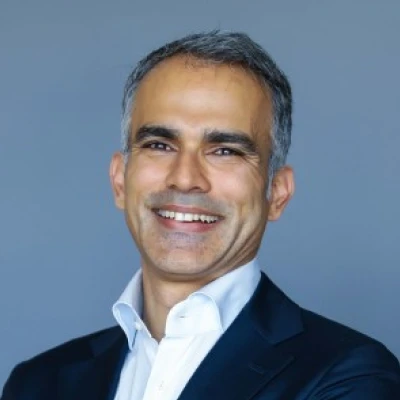 Manav FutnaniGlobal Head of Export Finance, HSBC
When I walk into a booth at an art fair, I try not to look at the name of the gallery. If I know an artist is represented by Continua or David Zwirner, I've already been given a signal about how seriously I’m supposed to take them.
I'd rather encounter the work first and ask myself: Do I respond viscerally to the work? Only afterwards do I want to know who the artist is and which gallery represents them.
The point is to give myself a chance to form my own reaction before inheriting someone else's.
Look beyond what photographs well.
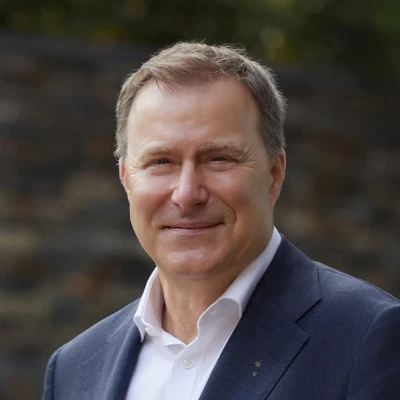 Roland FaselPresident, Capella Hotel Group
Taste is a bet on what will still matter after the trend has passed. For me, that often comes down to restraint. In a hotel, that means looking beyond first sight to understand how a space works, and moving through the space multiple times a day to understand how guests actually experience it.
I also try to distinguish between what photographs well and what is actually made well. James Turrell’s Skyspace Amarta at Patina Maldives happens to do both: it has become one of the hotel's most photographed places, but it was created as art first, not as a photo opportunity.
That distinction matters. Lasting cultural relevance comes from creating something with enough substance to remain meaningful after the novelty wears off.

Taste is a bet on what will still matter after the trend has passed.
Expand your frame of reference.
Building cultural capital requires fresh frames of reference.
That might mean going deeper into an unfamiliar place, seeking a local perspective or even returning to something you once dismissed.
How do we expose ourselves to more of what we don’t know?
Break out of your specialty.
Phyllis KaoVice President, Luxury Division and Auctioneer, Sotheby'sI have the privilege of seeing some of the best works all the time. But now that I take sales across virtually every department, I’m exposed to many different categories and eras.
That has given me more of a generalist foundation and made my own aesthetic multifaceted.
I think specialist knowledge isn’t always necessary to recognize significance. When Sotheby’s sold Pelé’s first World Cup jersey, I didn’t need a Chinese antiquities background to know it was a fantastic artifact. Sometimes a grounding in history is enough to recognize something great.
I think specialist knowledge isn't always necessary to recognize significance.
Start with a neighborhood.
 Lisa GreenManaging Director, Content, The 50
If you only have a couple of hours, don't race between landmarks. Choose one neighborhood.
Sit in a café, visit a market, eat somewhere independent, talk to people.
Hospitality has a great way of opening conversations, and those interactions often provide a much richer understanding of a destination than trying to see as many sights as possible.
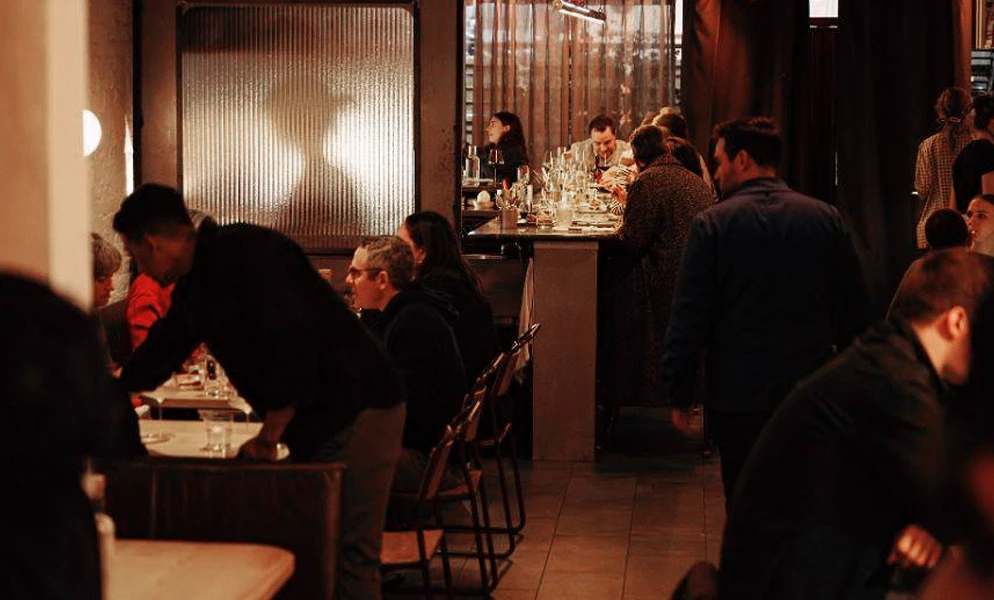
Listen – and don't assume difference.
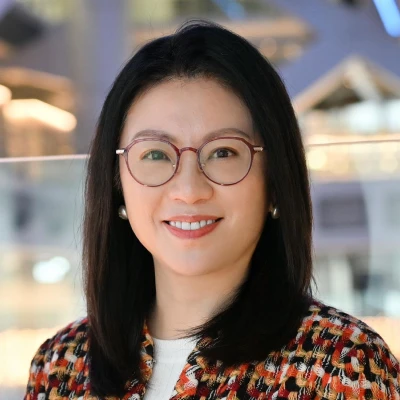 Maggie NgChief Executive Officer, HSBC Hong Kong
If you're always operating in one market and dealing with one type of customer, you don't get challenged enough. I think the first step is to make sure you have a diverse team and a diverse customer base, then listen to the different voices and be comfortable with the possibility that you're wrong. There will always be areas where your customers know more than you.
We used to think frictionless, intuitive experiences were primarily what younger customers wanted. Then we listened to our older customers and realized they wanted exactly the same thing. That was an important reminder for me: sometimes the categories we use to understand people can make differences look bigger than they really are.
Ask for favorites, not recommendations.
Lisa GreenManaging Director, Content, The 50Don’t ask locals where you should go. Ask them where they go.
Where do they spend their day off? Where do they celebrate with friends and family?
Those questions tend to get you beyond the places locals think visitors are supposed to see and into the restaurants, bars and neighborhoods that matter in their own lives.
I'm also interested in understanding what local people are proud of, whether that's an ingredient, a tradition or a neighborhood that has shaped the identity of the city. Those conversations almost always lead to experiences I wouldn't have found otherwise.

Challenge your own preferences.
Manav FutnaniGlobal Head of Export Finance, HSBCIn many cities, I know exactly where I want to go. But if you want to keep things interesting, you have to deliberately make room for things you haven't done for years, or better still, things you've never done at all.
Go back to the gallery that did nothing for you ten years ago. Perhaps that institution has changed, but perhaps you have too.
Taste isn't a permanent record of what you liked when you were 25. If you're serious about developing it, you have to occasionally retest your old dislikes.
The same applies to algorithms. When I was in Japan, I asked ChatGPT which of three art institutions in Hakone I should prioritize. It confidently told me one of them probably wasn't for me. I went anyway, and it turned out to be the one I enjoyed the most.
That's the limitation of recommendation engines: they're extremely good at giving you more of what they already know you like. But if you're trying to develop your cultural palate, sometimes what you need is exactly the opposite.
Taste isn't a permanent record of what you liked when you were 25. If you're serious about developing it, you have to occasionally retest your old dislikes.
Sharpen your cross-cultural fluency.
Cultural capital isn't only about honing your own perspective.
In business, it also means understanding how to enter an unfamiliar context: recognizing what you don’t know, understanding what matters locally and questioning the assumptions you bring with you.
How can cultural understanding lead to better business judgment?
Don't mistake your default for everyone else's.
Maggie NgChief Executive Officer, HSBC Hong KongIn Hong Kong, meetings would sometimes default to Cantonese even when not everyone in the room could understand it.
That's when I realized how easily we slip into our own comfort zones without noticing what that means for the person on the receiving end.
Cultural blind spots aren't always dramatic faux pas. Sometimes they're the small, ordinary behaviors nobody inside the group has thought to question.
Cultural blind spots aren't always dramatic faux pas. Sometimes they're the small, ordinary behaviors nobody inside the group has thought to question.
Trust what the place already has.
Roland FaselPresident, Capella Hotel GroupI've learned that good judgment means trusting what a place already has rather than imposing something on it.
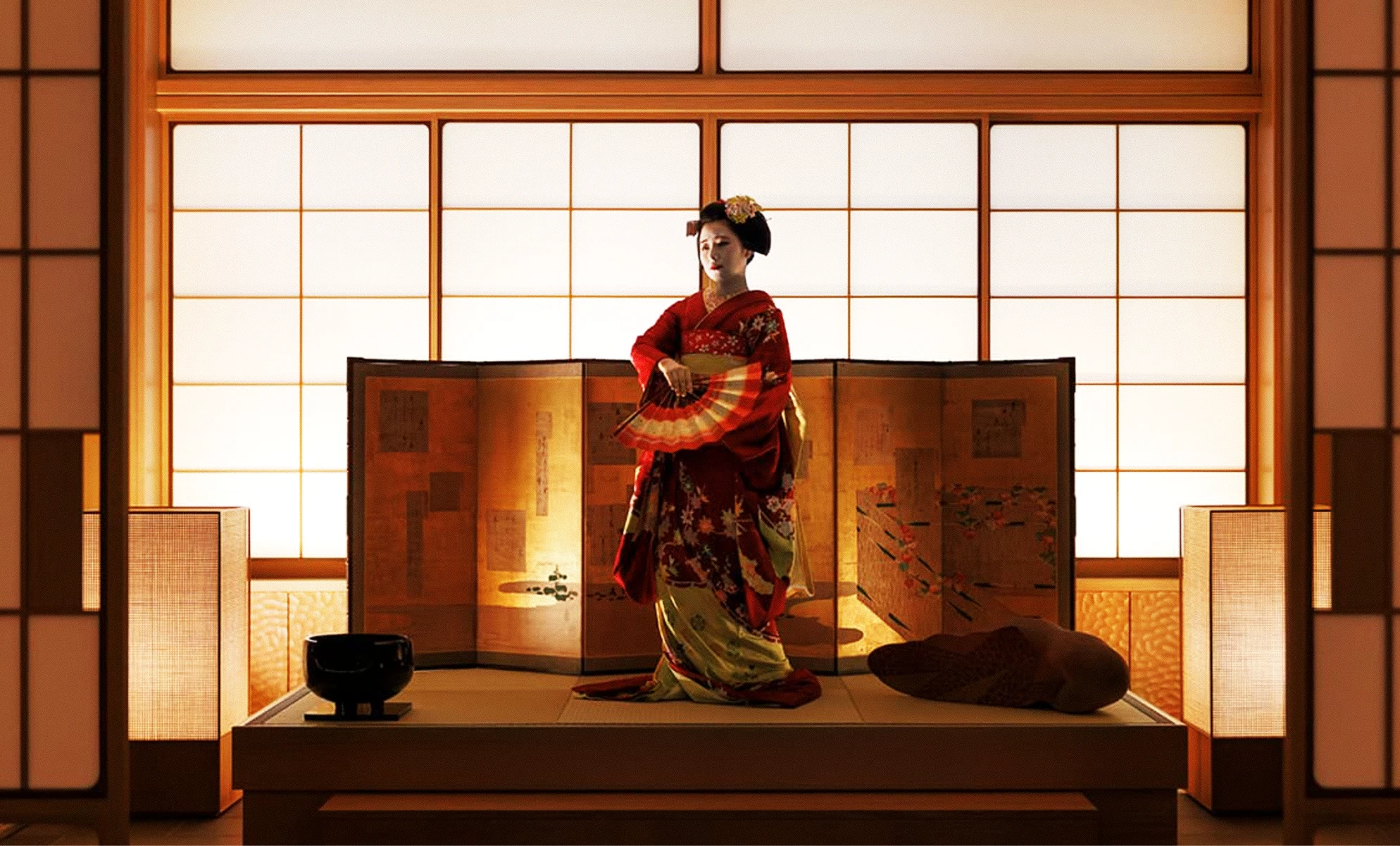
Look for traditions that take time to earn your way into. In Kyoto, the geiko and maiko world of professional geisha and their apprentices is one of the city’s most private cultural traditions. Capella Kyoto’s cultural programming has been built around relationships with that community, rather than simply presenting it as entertainment. If a place cherishes something, our job is to respect it.
Become comfortable being the stranger.
Manav FutnaniGlobal Head of Export Finance, HSBCIn Dubai and London, I know much of the art ecosystem, but in Buenos Aires or São Paulo, I'm a complete stranger, starting from scratch.
I used to think I needed to research important names beforehand so I could sound credible. I approach it quite differently now, not least because anyone can sound reasonably well-informed with five minutes on Claude, so that’s actually not what distinguishes you.
I find it much more interesting to approach these conversations with humility and genuine curiosity: I actually know very little. Tell me. Let me start from the beginning.
It's uncomfortable. But pretending you know wastes the opportunity to learn.
Learn to spot momentum.
Being culturally attuned doesn’t necessarily mean predicting the next trend.
It can mean noticing where local credibility is accumulating, where people are making longer-term commitments or where something significant has been overlooked.
Which signals tell you that a cultural shift has staying power?
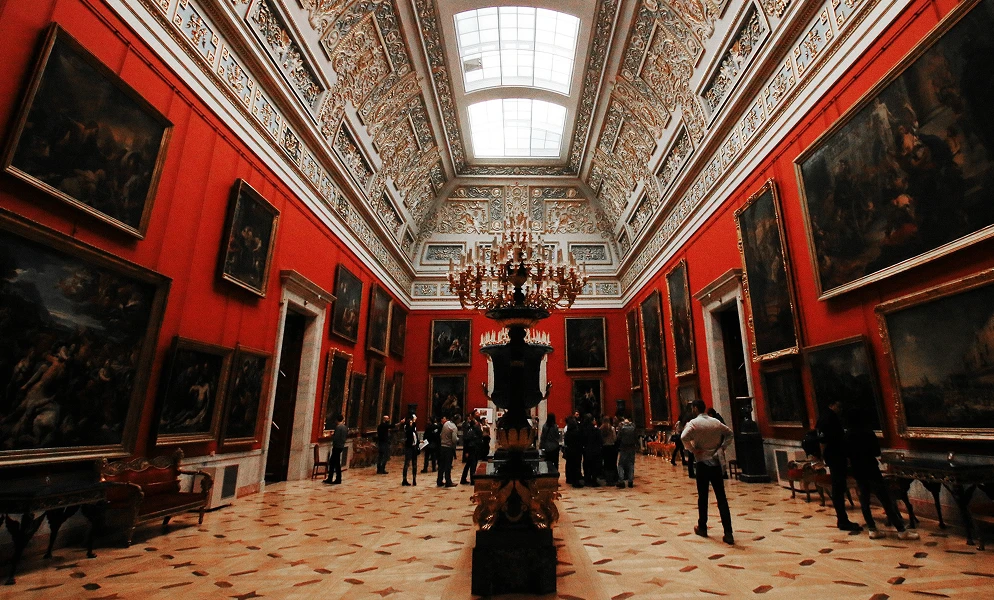
Recognize what’s undervalued.
Phyllis KaoVice President, Luxury Division and Auctioneer, Sotheby'sA few years ago, I kept looking at the Old Masters market and thinking it was so undervalued, so underappreciated. The community wasn't really growing. Recently, the Old Masters market has taken a very nice uptick. New people have jumped in at great prices. The market is buoyant.
How did I anticipate this shift? It's partly gut, partly data and comparisons. When I compared Old Masters with contemporary work, thinking about the technique, the time involved, the historical importance and their influence on later artists, the difference in how the market valued the two categories seemed stark.
Seek local credibility.
Lisa GreenManaging Director, Content, The 50What's fascinating is that many places attracting international attention today were already well established within their own communities years earlier. Often the earliest signs of cultural significance aren't about scale or publicity, but about the respect a place earns from local chefs, bartenders, hoteliers and hospitality professionals before you see it expand to an international audience.
A restaurant, bar or hotel doesn't need to imitate international trends to be exceptional. In fact, the most memorable experiences are often those that are unapologetically local.
Often the earliest signs of cultural significance aren't about scale or publicity, but about the respect a place earns from local chefs, bartenders, hoteliers and hospitality professionals before you see it expand to an international audience.
Give cultural value time to show up.
Maggie NgChief Executive Officer, HSBC Hong KongWhen working on cultural partnerships, don't purely look at the immediate commercial value. Often the temptation is to look at the immediate KPI: how many sales did this event or partnership bring?
Sometimes the lingering impact is subtle, but even more powerful. Take a longer-term view and go back to the customer to ask what value the experience created for them. Ultimately, what is good for customers is also good for the business.
Look for signs of permanence.
Roland FaselPresident, Capella Hotel GroupOne signal is when a city starts investing seriously in art and design before the rest of the world is paying attention. The coastal city of Tianjin was doing that. That’s part of the reason our hospitality brand Patina will be launching its first hotel in China there, within a collection of restored heritage villas.
Another signal is when a neighborhood starts attracting serious investment in wellness and healthcare infrastructure, not just retail and hospitality.
When people start wanting to live somewhere, rather than simply visit, that’s when you know something long-lasting is taking root.
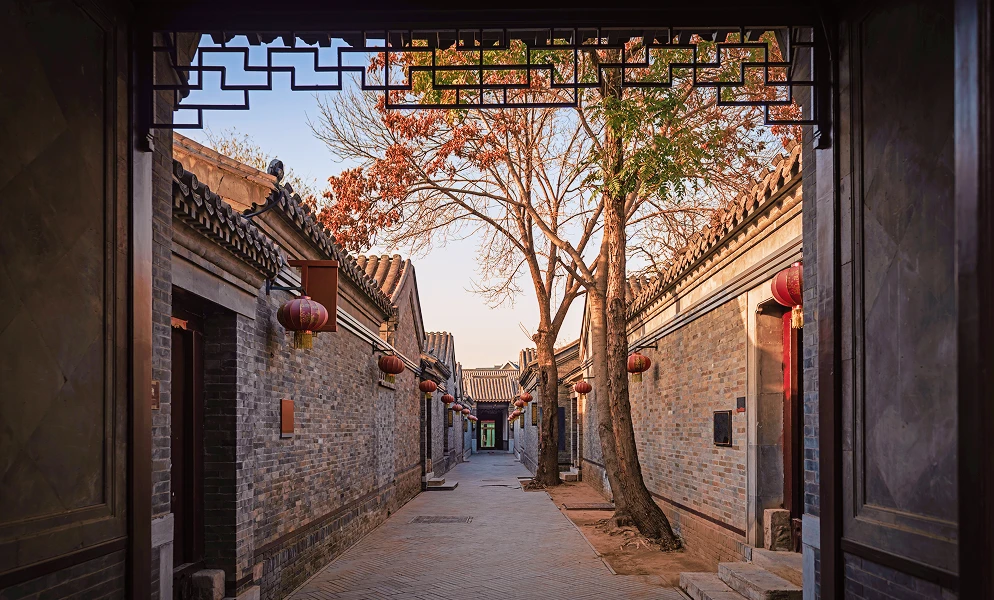
In a world where accumulating references has never been easier, the real marker of cultural fluency is judgment: what we notice, what we question and what we deem significant.
So train your eye before following the consensus, seek experiences that broaden your perspective, understand a market on its own terms, and look for early signs of meaningful change. Cultural capital is built by looking more closely, not just knowing more.
Thinking Capital explores the modern pursuit of capital in all its forms: cultural, intellectual, social and financial.
Look out for more content across Bloomberg Video, podcasts, print, and online as we continue to decode modern capital.