The Pandemic Pushed Organizations Into the Future
The digitalization of organizations had been underway for several years, but the COVID-19 pandemic accelerated efforts to transform operations and business activities.
By necessity, organizations needed to connect digitally with their clients, customers, suppliers and employees.
As a result, digitalization is now embedded in every aspect of our lives.

Digital Transformation Is the Price of Staying in Business
Customer expectations are driving the need for digital transformation in organizations of all sizes and industries through everyday interactions with mobile devices, apps, machine learning and automation.
In a recent Harvard Business Review survey of nearly 800 organizations, 40% said that improving customer experience is their top priority in the transformation, with 72% responding that they believe the shift to digital interactions will create closer relationships with customers.
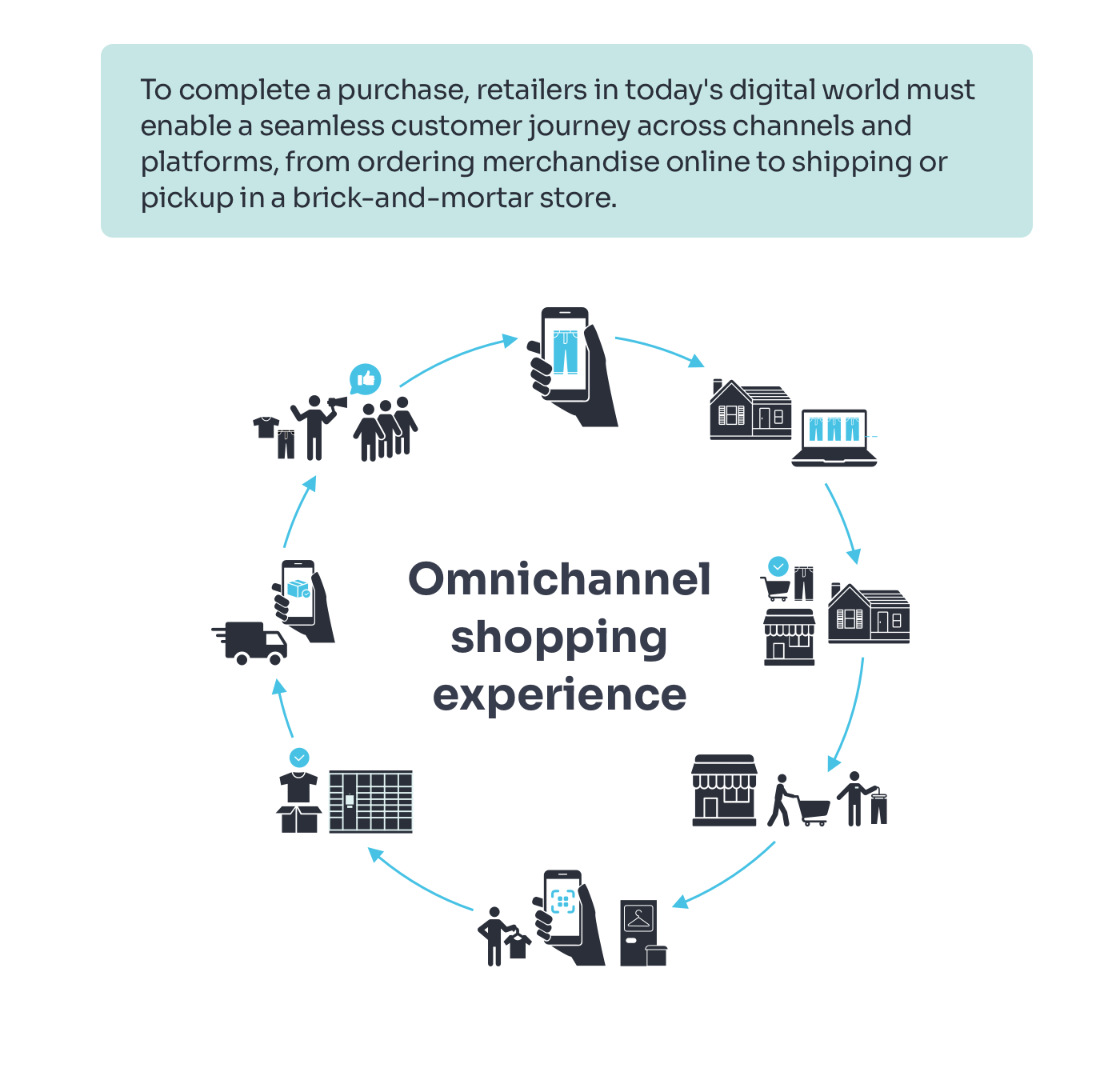
In today’s digital world, organizations in all industries must enable a seamless customer journey across channels and platforms.
This omnichannel experience requires cloud-based business applications for customer relationship management (CRM), communications and sales that can help organizations access real-time insights on customer needs.
Brands with the strongest omnichannel customer engagement strategies retain an average of 89% of their customers, in comparison to 33% of organizations with weak strategies, according to Qualtrics.
A winning customer experience and a successful digital transformation journey go hand in hand.

Data & Cloud: The Building Blocks of Successful Digital Transformation
Beyond staying up to date with customer needs, cloud-based solutions can help bring new products or services to market faster, streamline processes and cut costs.
In a survey of 186 executives currently using cloud, 81% say the cloud is extremely important to their organization’s future strategy and growth, according to Harvard Business Review Analytic Services.
True business transformation occurs when data and cloud strategy are anchored in the organization’s broader business objectives.
Having accurate and accessible data in the cloud gives organizations the ability to analyze the past, examine the present and plan for the future.
Only with quality data can organizations make faster and more accurate, real-time decisions.
A 10% increase in data usability, according to a 2019 University of Texas study, could increase the average Fortune 1000 organization’s revenue by over $2 billion annually.
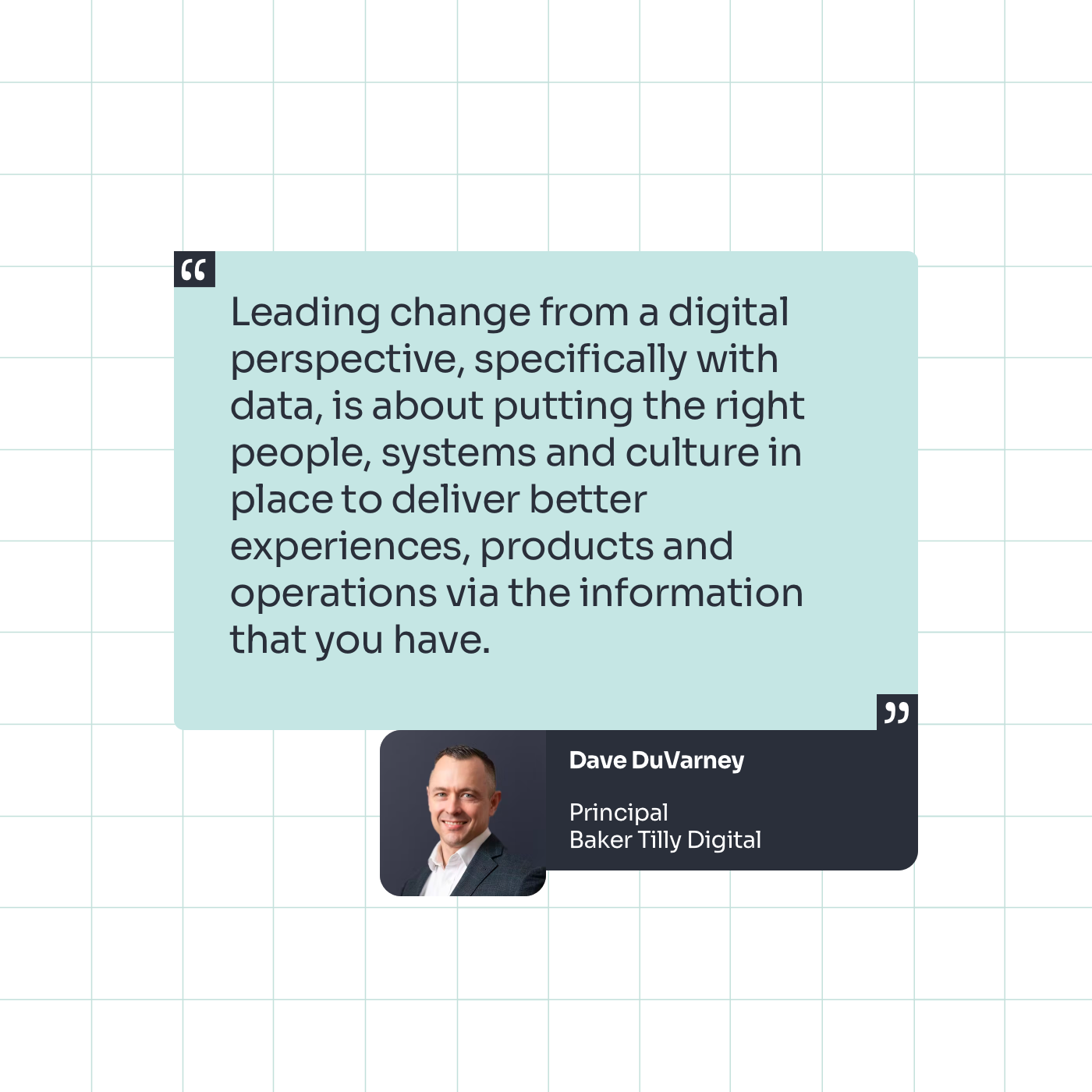
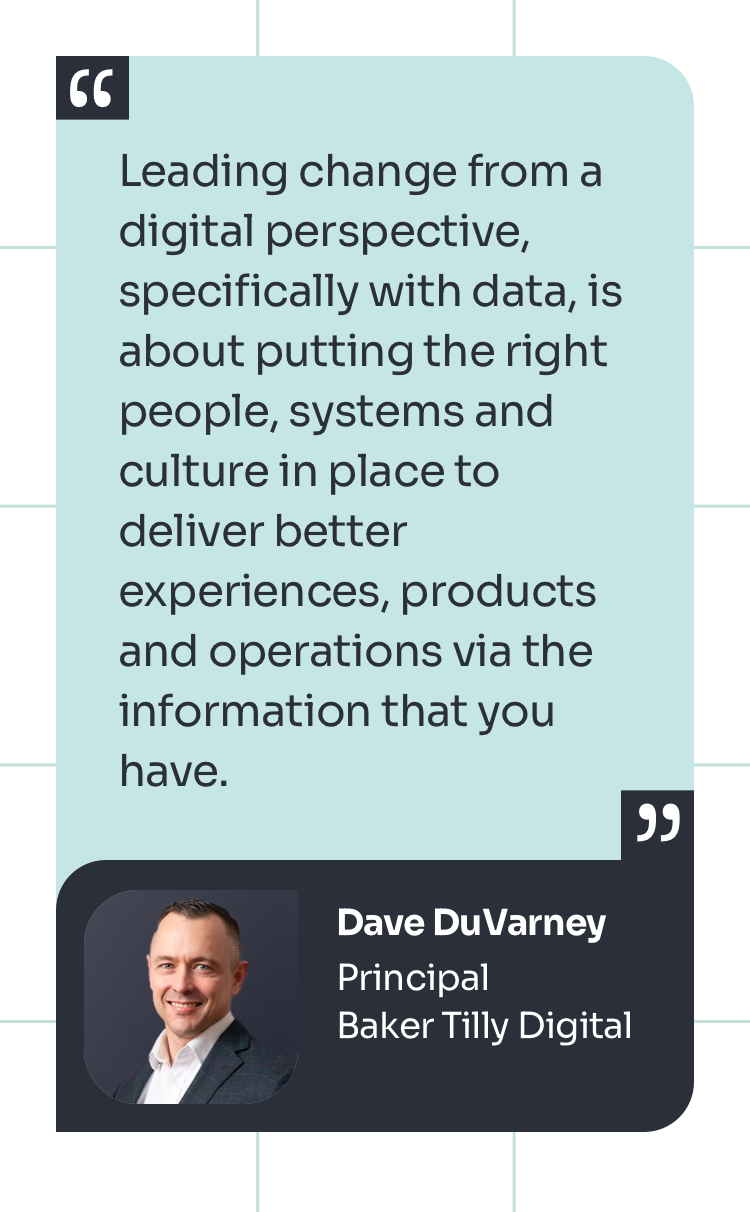
“Organizations need to treat their data as an asset in order to use it to their advantage,” says Dave DuVarney, Principal, Baker Tilly Digital. “Those that get better at harnessing their data will see a positive transformation in their people, processes and overall results.”
A focused business is an efficient one.
Organizations that create a shared data language and understanding around their data will know what the key indicators are, what they mean and why they're important to the business.
This approach allows for better decision-making and can provide a stronger market advantage.
Anticipating what will happen instead of reacting after the fact gets you out in front of the competition.
Forward-thinking business leaders leverage the benefits of digital transformation beyond systems or tools to optimize operations, create new roles for team members and adapt to new markets and industries.
Why Digital Transformations Fail, and How to Avoid These Pitfalls
Digital transformation is a daunting challenge for even the most established organizations.
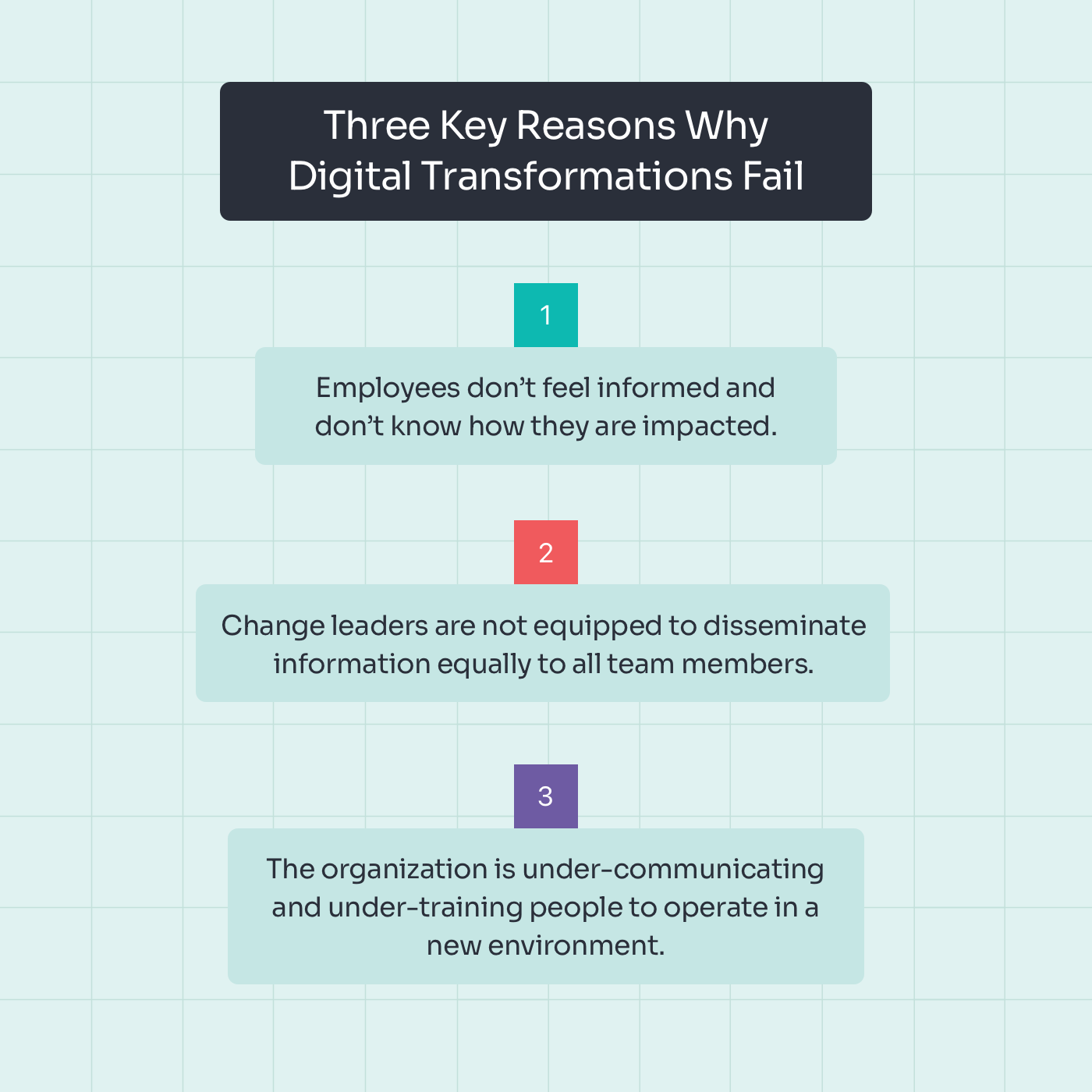
An estimated 84% of organizations fail to achieve their digital transformation initiatives, according to Forbes.
Organizations often get bogged down when implementing technology, and people and process challenges can disrupt digital-first transformations.
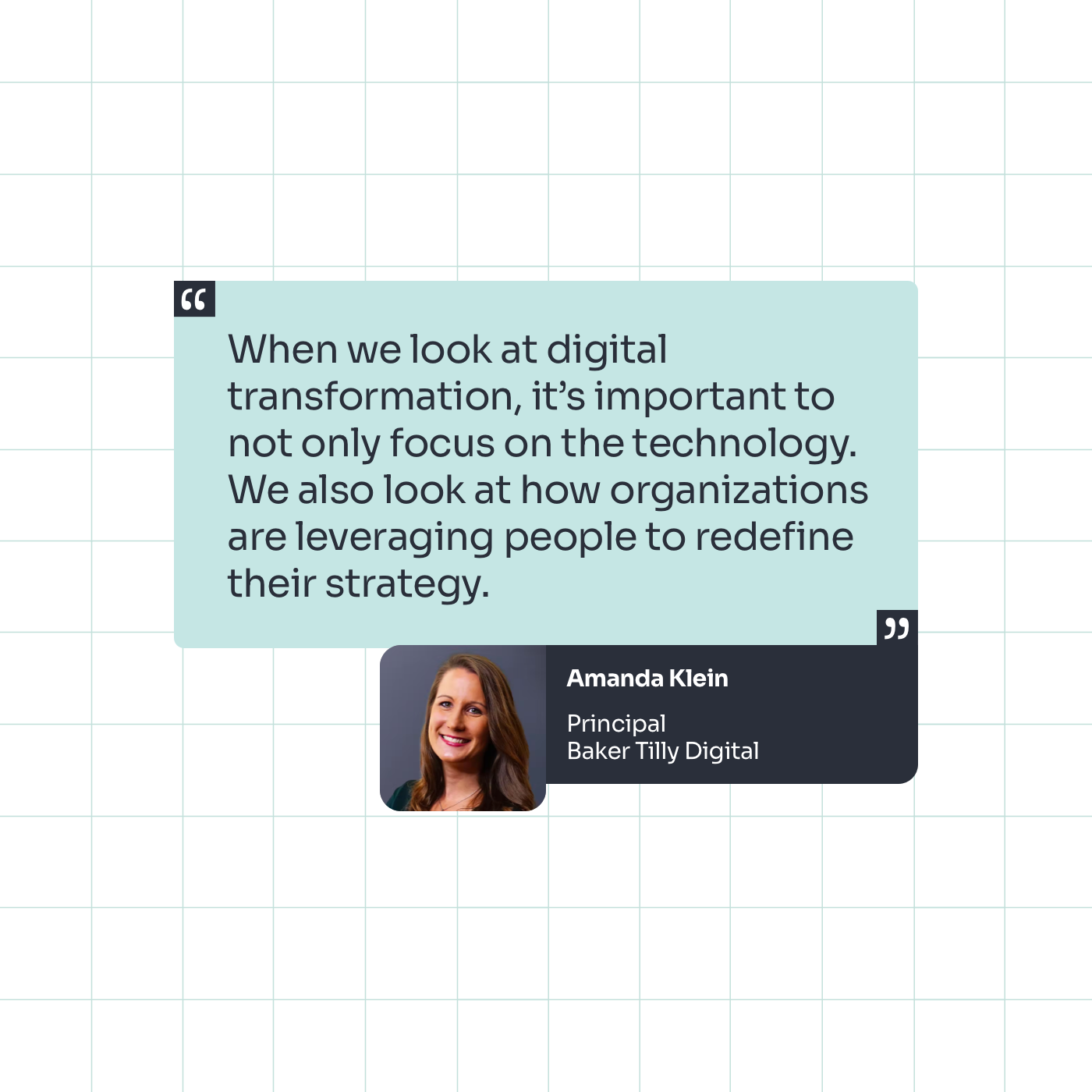
“When we look at digital transformation, it’s important to not only focus on the technology,” says Amanda Klein, Principal, Baker Tilly Digital. “We also look at how organizations are leveraging people to redefine their strategy.”
Leading Change With a People-Centric Focus
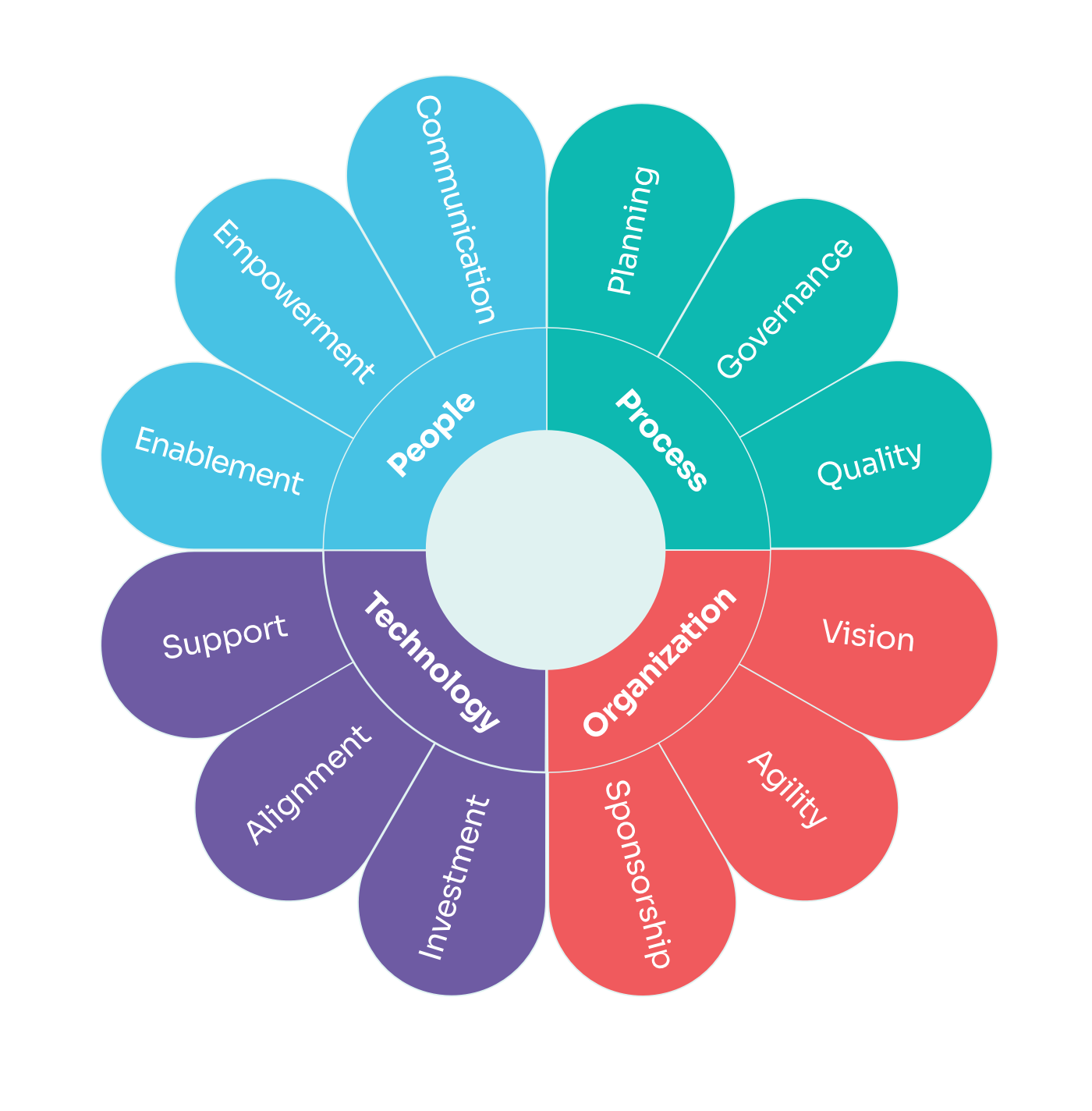
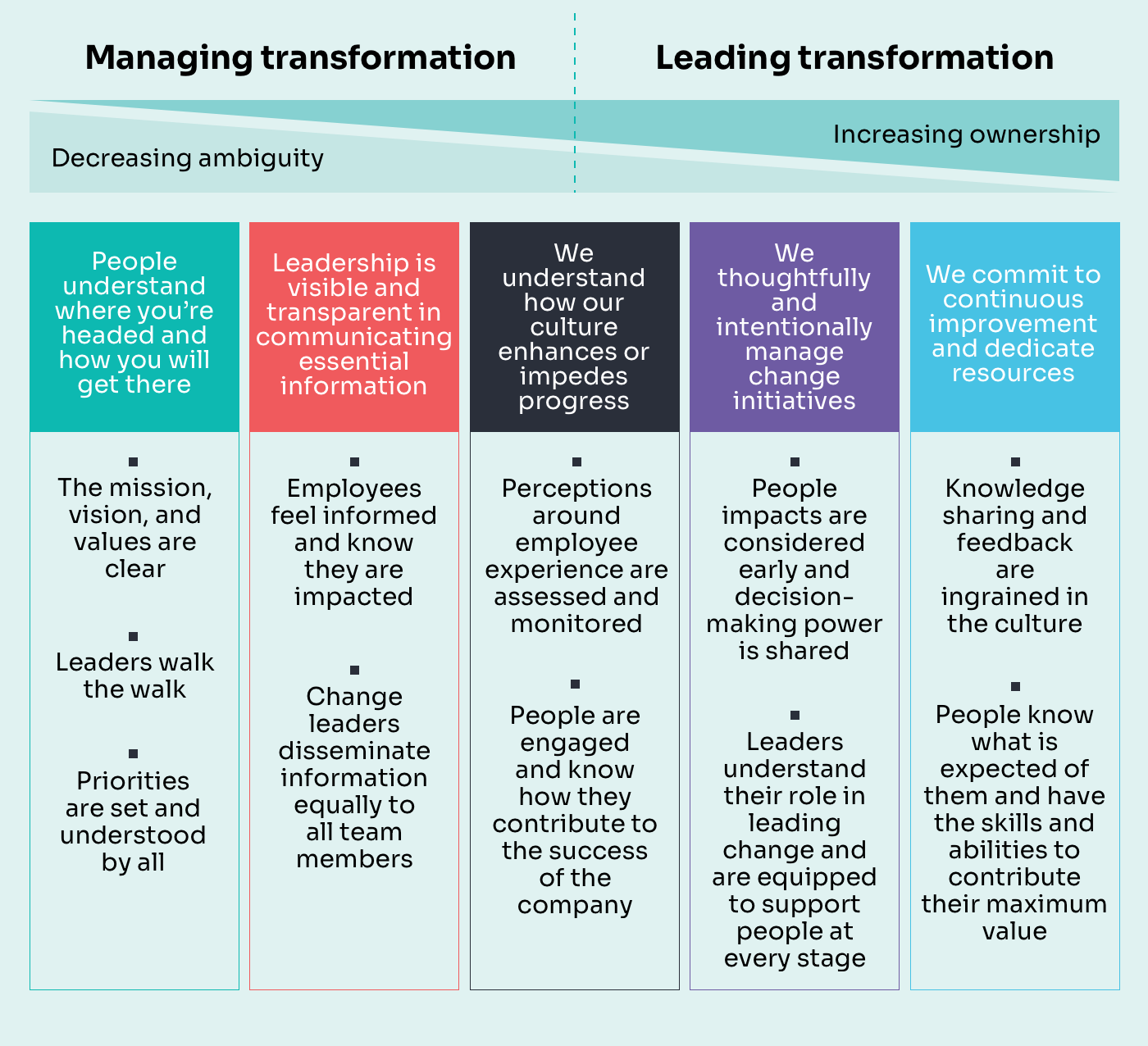
People must be the focal point of every transformation.
Organizations that are successful ensure that their people are adequately trained and that all stakeholders are aligned and prepared for the change, with an understanding of how the transformation will impact jobs.
The culture of the organization is highly important when it comes to the success of digital transformation. To be conducive to the transformation, the organization must lead the change versus simply reacting to it.

Get on The Right Path With Baker Tilly Digital Pathfinder
In Baker Tilly's Pathfinder sessions, clients work to envision what they want their organizations to be, and to test those possibilities.
For example, the Baker Tilly team asks clients to think about the way they want their customers and employees to feel about their experience with the organization at different points in the future.
“People get very comfortable and want to do what they’re doing today but in a new technology,” says Klein. “That’s not the point of digital transformation. If you’re not thinking outside the box, you’re going to struggle to actually drive transformation and achieve the outcomes that you want.”

In these ideation sessions, clients are taken through several use cases to learn how other organizations, both inside and outside their industries, handled a digital transformation.
“What they learn through the use cases is that a digital transformation isn’t just about buying a piece of technology,” says Dave DuVarney, Principal, Baker Tilly Digital. “There is strategy, process and change from an organizational level around the transformation. Just putting data in the cloud does nothing for you. You must do something with it.”
Create Your Company’s Road Map to Digital Transformation
Baker Tilly helps organizations prioritize and activate their digital transformation regardless of where they are on their journey.
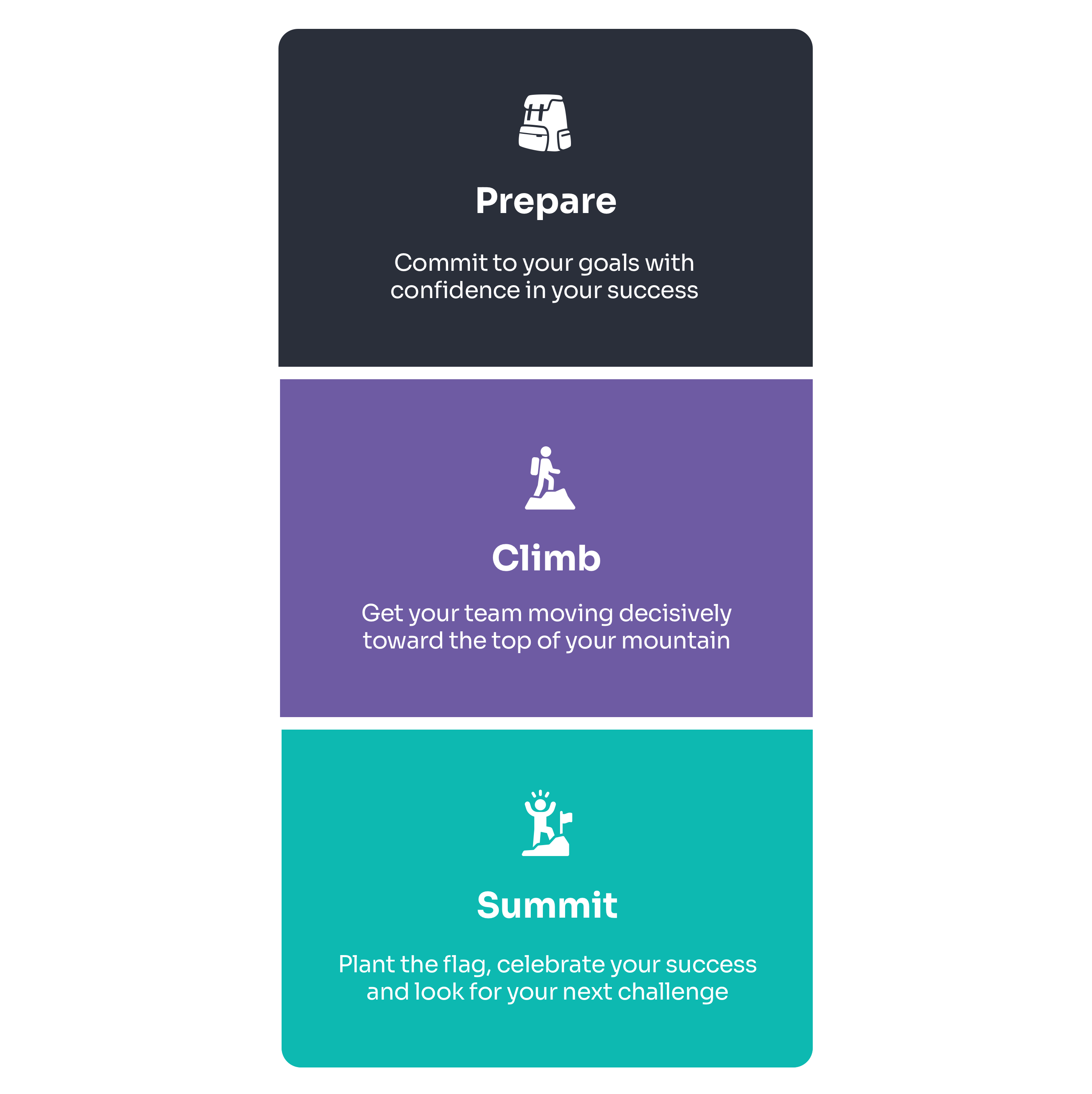
The firm uses the analogy of conquering a mountain to demonstrate the five key points of Pathfinder, a simple process for charting what’s next:
- Alignment of key stakeholders and leadership
- Clear scope of existing challenges
- Prioritization of which transformation initiative
- Review potential solutions or pilots
- Privilege of focus to drive toward an organization’s goals
“We take our clients through logical steps along an abstract path, but without the focus on specific technology systems,” says Amanda Klein. "To enact lasting change, everyone needs to see the full picture from start to desired finish and then work together to develop the best route. No matter where an organization is on their journey, we can help."