ASEAN’s rise as a trade, manufacturing and digital powerhouse is shaping global energy demand.
In the decade from 2025 to 2035, the region’s 678 million-strong population is projected to drive more than a quarter of global energy demand growth – second only to India.
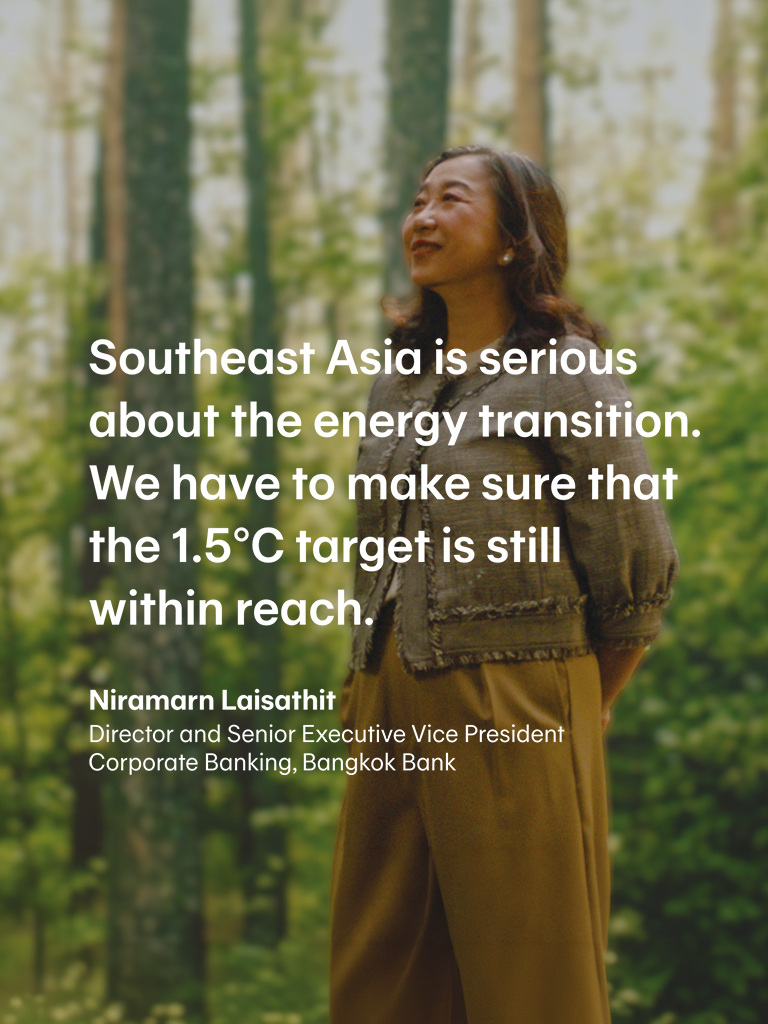
With the region on track for a one-third increase in energy-related carbon emissions by 2050, the time to act is now.
Thailand aims to achieve net zero by 2050, 15 years earlier than previously planned.
Eight ASEAN nations currently have net zero targets: Brunei, Cambodia, Laos, Malaysia, Singapore and Vietnam by 2050; Indonesia by 2060; and Thailand by 2050 – 15 years earlier than previously planned.
Interim renewable energy targets are crucial stepping stones to these national goals, and will require $190 billion in investments in 2035 – nearly five times the 2024 level.
While the climate imperative is a formidable challenge, it’s also a crucial opportunity for ASEAN to combine its complementary strengths.


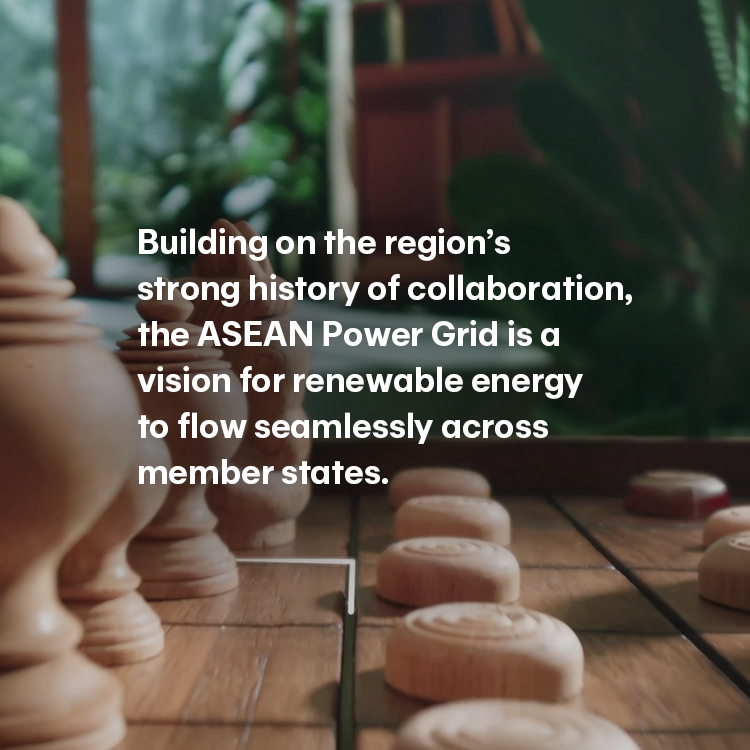

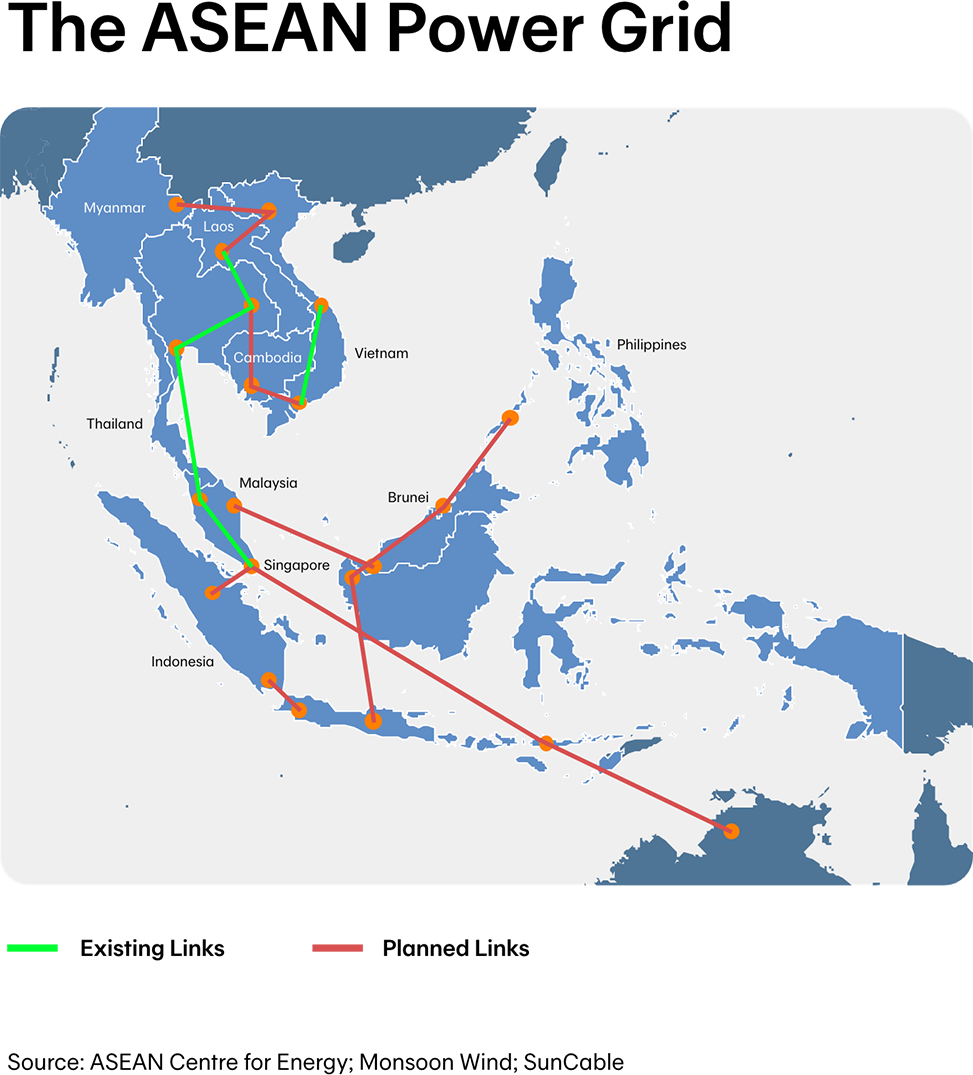
Complementing renewable capacity additions and early coal retirement, this regional supergrid will alleviate the intermittencies of renewable energy while meeting rising electricity demand.
By 2050, the ASEAN Power Grid is projected to boost the GDP of each ASEAN nation by 0.8% to 4.6%, attract $2 billion a year in research and development, and $1.4 trillion cumulatively in new generation capacity.
Solar power has been the cheapest source of electricity generation in Thailand since 2022.
Solar paired with batteries, which helps make solar a more reliable energy source, is projected to become more cost-competitive than newly built gas- and coal-fired power plants in Malaysia and the Philippines by 2025.
Continuing the momentum, Thailand’s newly launched Utility Green Tariff (UGT) program offers an additional pathway to support broader corporate uptake of renewable energy.
Under the UGT-1 scheme, businesses will be able to purchase green electricity from state-owned hydropower plants already in operation.
A planned UGT-2 scheme will allow businesses to purchase electricity from wind, solar projects or other renewable sources operated either by state-owned generators or private-sector generators.


The bank uses policy frameworks like ASEAN’s Sustainable Finance Taxonomy to help issuers identify green and transitional activities and drive issuance, and applies the Equator Principles as part of its environmental and social due diligence process.
Recognized internationally, these standards serve as a common language for sustainable finance, supporting a just and orderly energy transition.
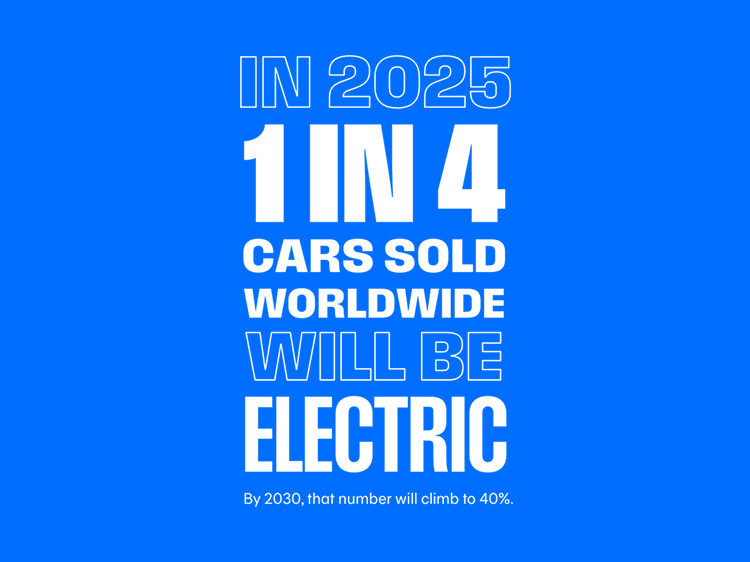
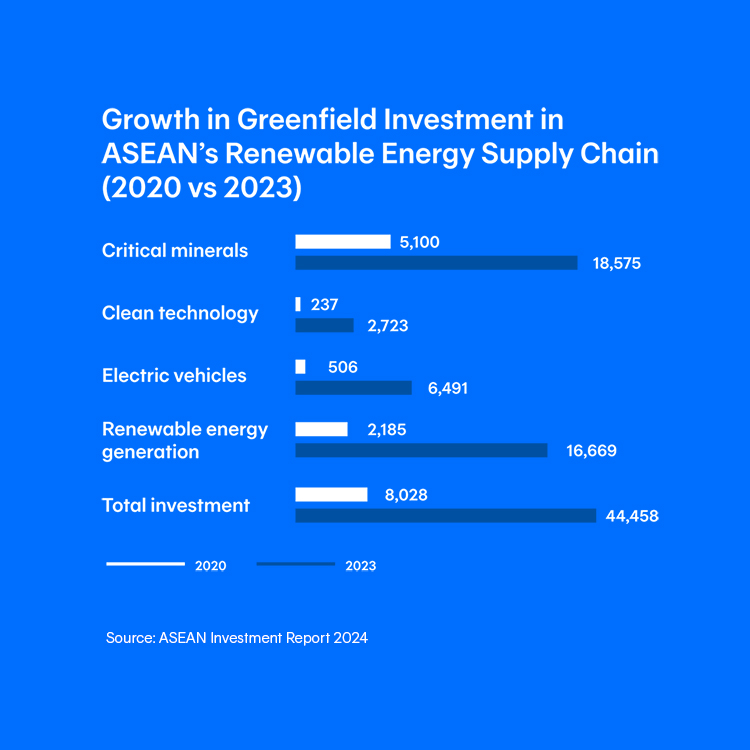
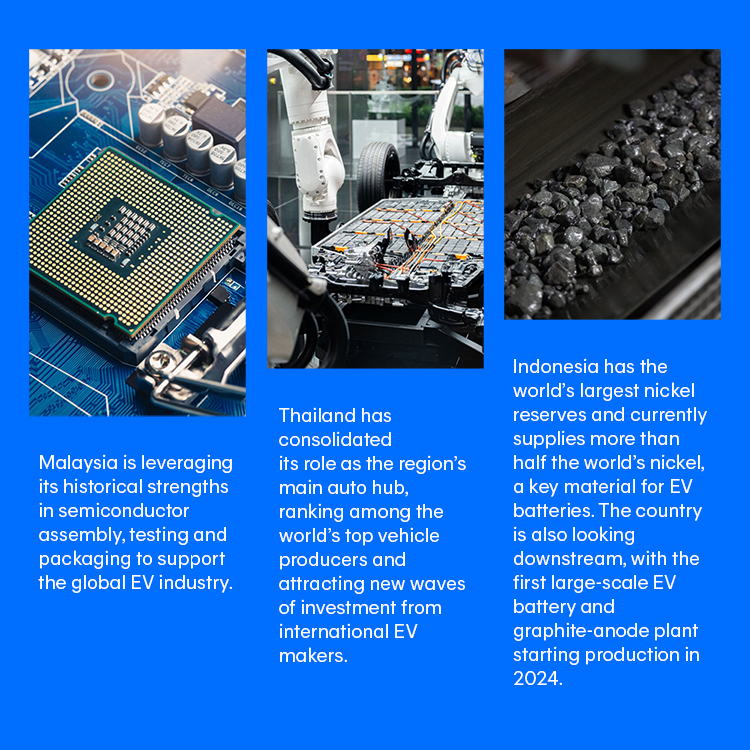
ASEAN stands to gain not only as a growing EV consumer market, but as a crucial hub for EV manufacturing.
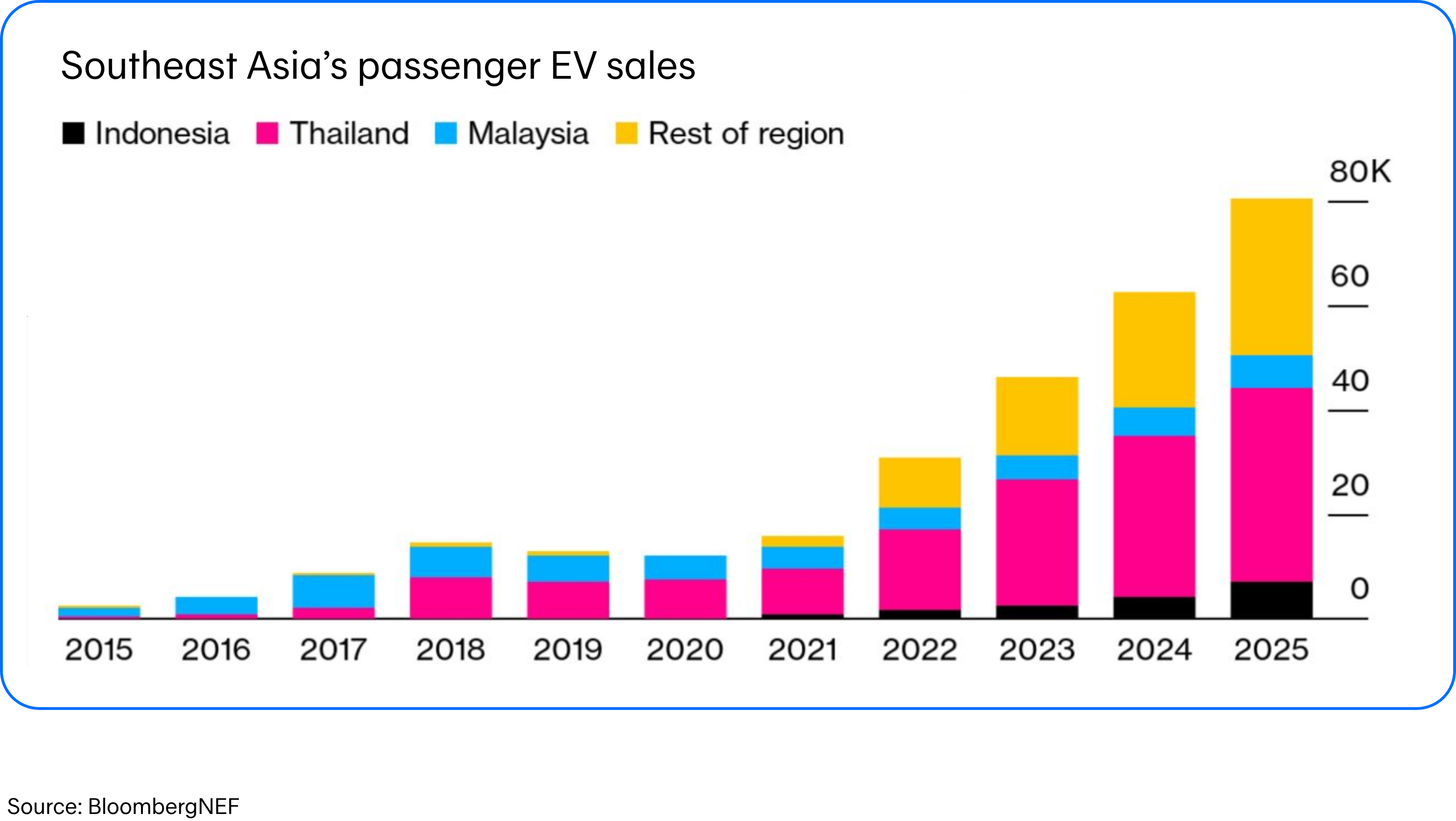
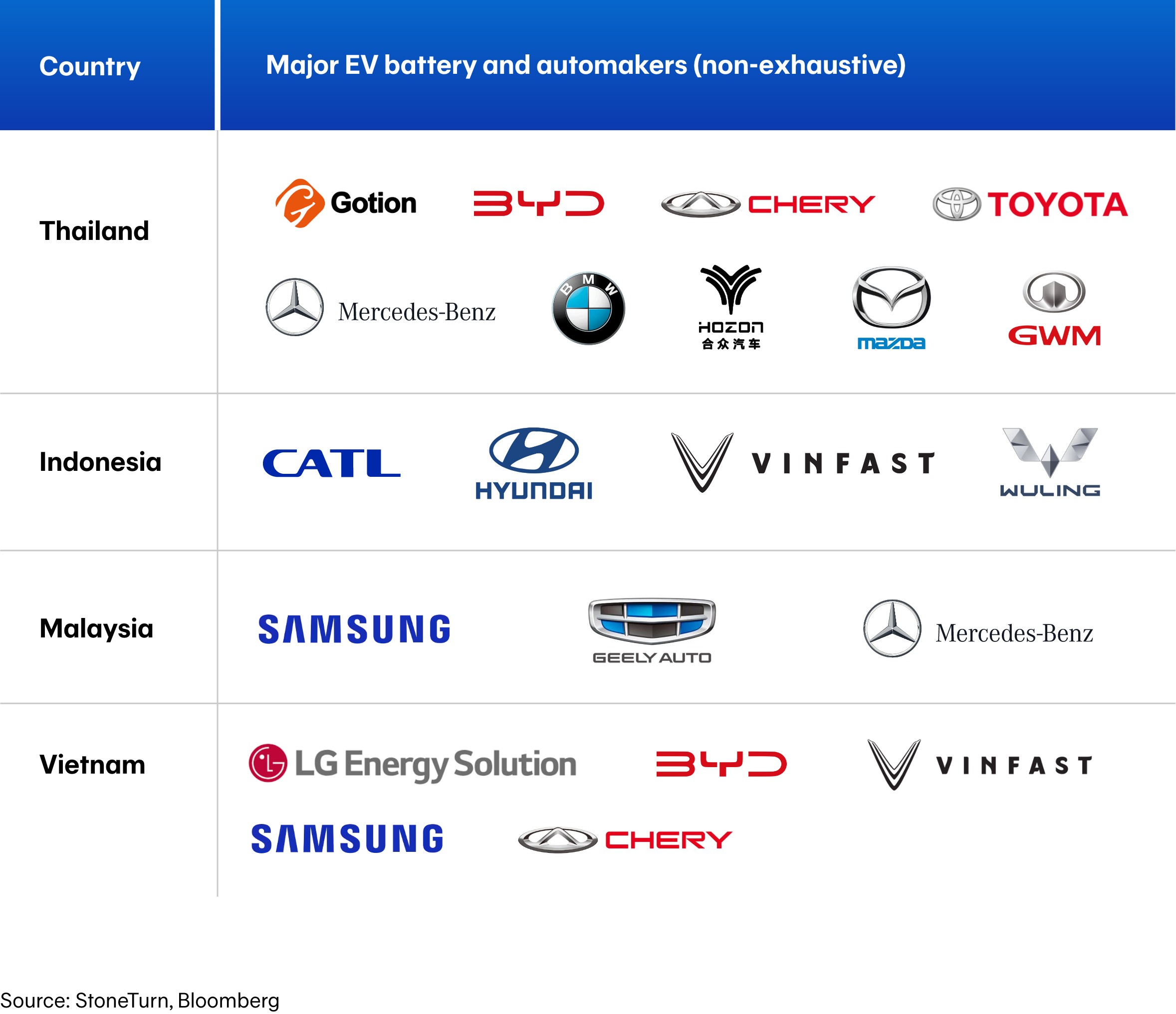
From critical minerals to auto assembly, the region is already in the early stages of EV supply chain integration.
As a fast-growing strategic manufacturing base, ASEAN is bringing together traditional automakers, pure-play EV manufacturers, technology firms, mining and energy multinationals, as well as specialized battery and materials producers.
In 1961, a boxy sedan called the Ford Cortina kicked off Thailand’s auto industry, with local workers assembling the cars using parts shipped from the United Kingdom.
A few years later, Toyota Motor Corporation and Nissan Motor Corporation set up factories, launching a decades-long expansion that has made Thailand one of Asia’s largest auto manufacturers.
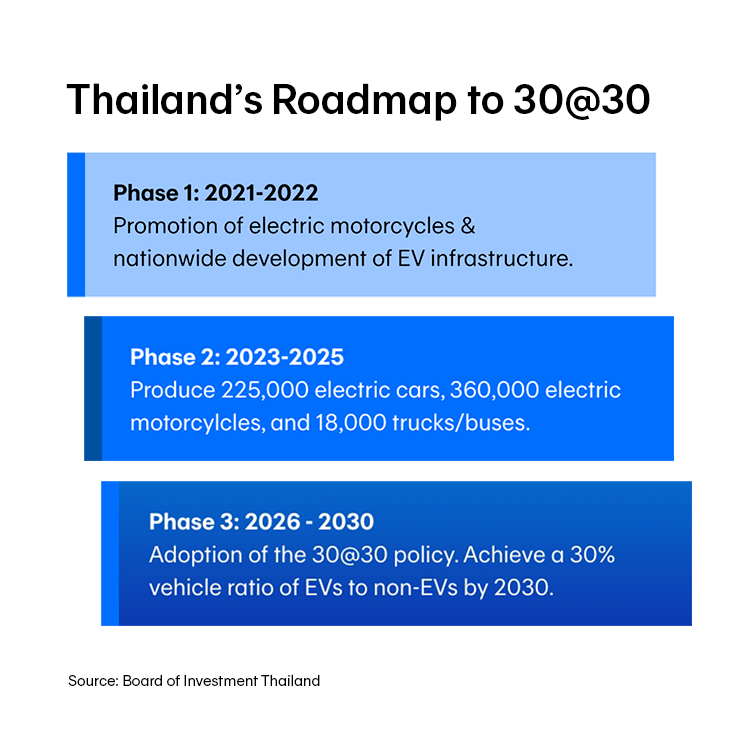
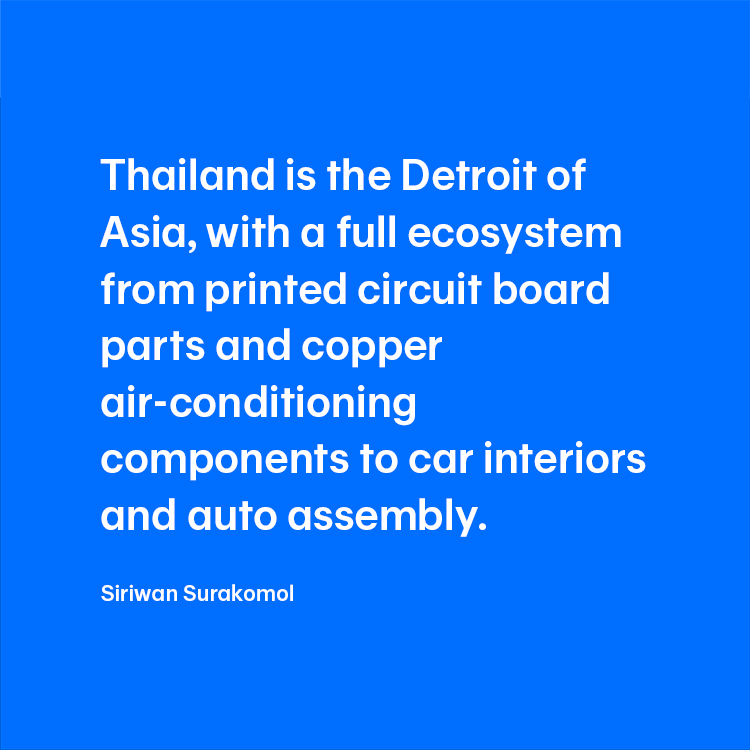
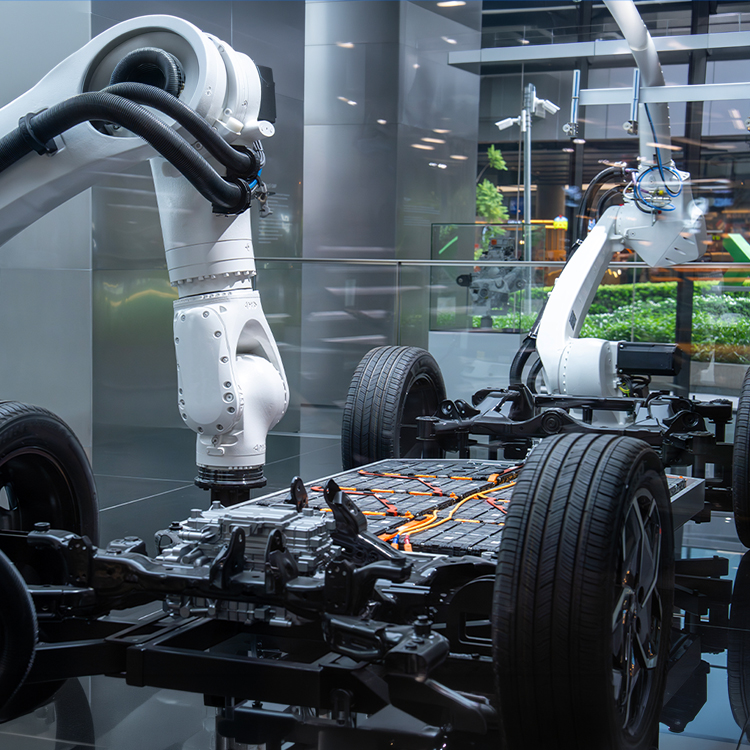
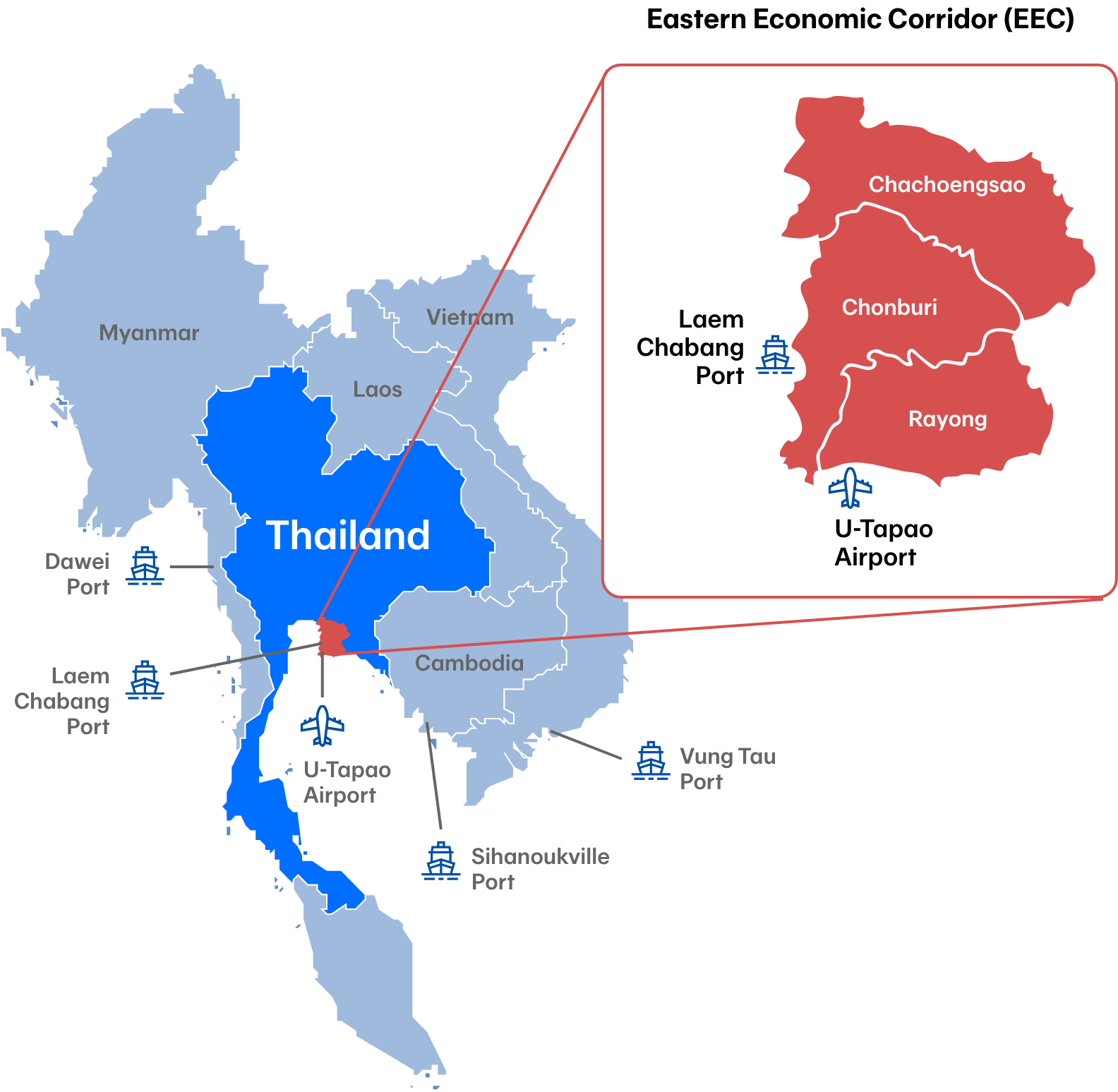
Around 80%* of Thailand’s EV activity is concentrated in the Eastern Economic Corridor (EEC), an automotive heartland two hours from Bangkok.
The EEC offers EV manufacturers ready-to-build industrial estates, easy connectivity to ports and highways, an experienced workforce and an established auto-parts ecosystem.
Chinese automaker BYD selected Rayong province in the EEC for its first Southeast Asian EV plant: a 96-hectare facility capable of producing 150,000 vehicles a year.
Other major players like Great Wall, Changan and GAC Aion have also set up operations in the EEC, benefiting from the proximity between assemblers and part makers that underpins Thailand’s competitiveness in the regional EV supply chain.

With its China desk, Japan desk and automotive division, Bangkok Bank understands the needs of EV investors in every market.
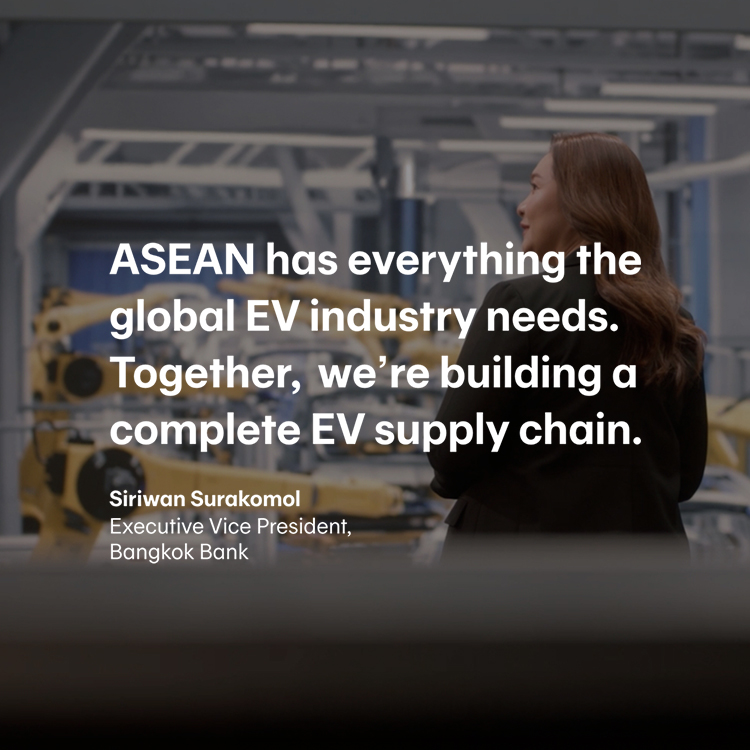
Bangkok Bank plays a strategic role in enabling the growth of electric vehicle manufacturers entering or expanding within Thailand.
The bank’s support extends beyond financing, offering integrated advisory, industry intelligence and ecosystem connectivity to help EV players navigate the Thai market with confidence.
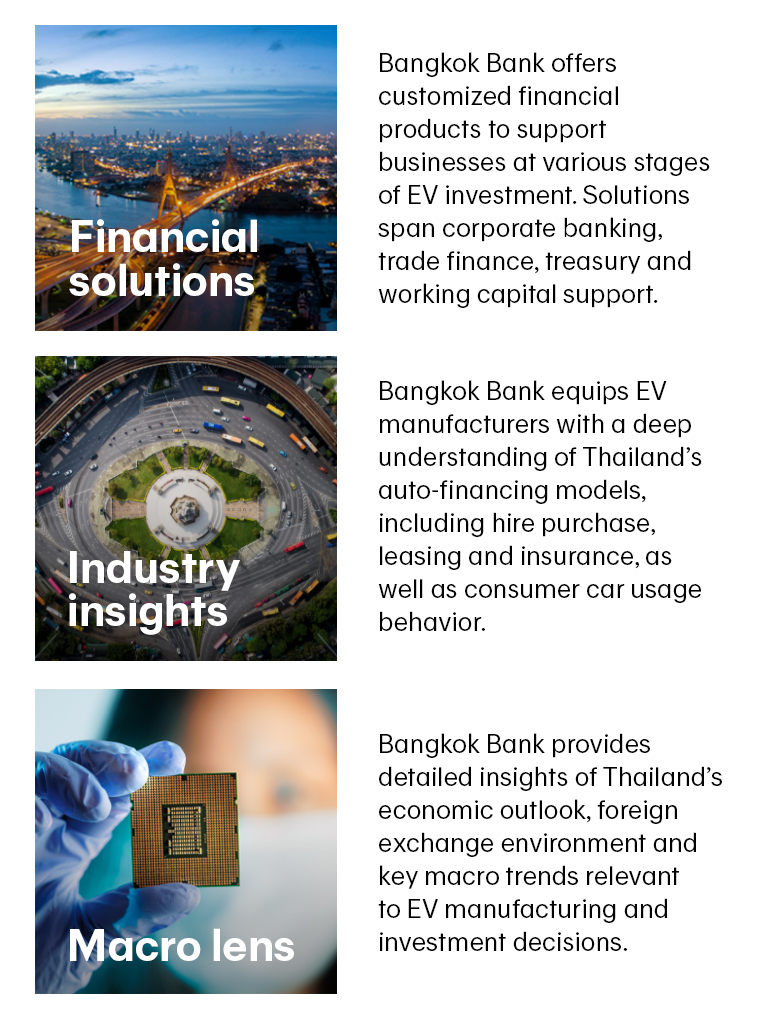
Apart from financing, EV investors need the full macro picture: policies, incentives, demand trends and investment zones.