Selling a business is a defining moment — one that goes beyond balance sheets — challenging owners to reconsider their purpose and redefine legacy.
No two exits are the same, but many follow a similar arc, and this smartpaper is a practical starting point that sheds light on a process that lacks publicly available information.
These insights are grounded in a BNY Wealth study of 127 private business owners, along with insights and advice from the BNY Wealth team. For those ready to go deeper, the full report offers a more detailed view of what drives successful exits, and valuable lessons from those who’ve sold a business.

Why Business Owners Sell
For the majority of business owners, market conditions are the primary motivation to sell, but for others it’s about pursuing new business opportunities, or simply the desire to retire.
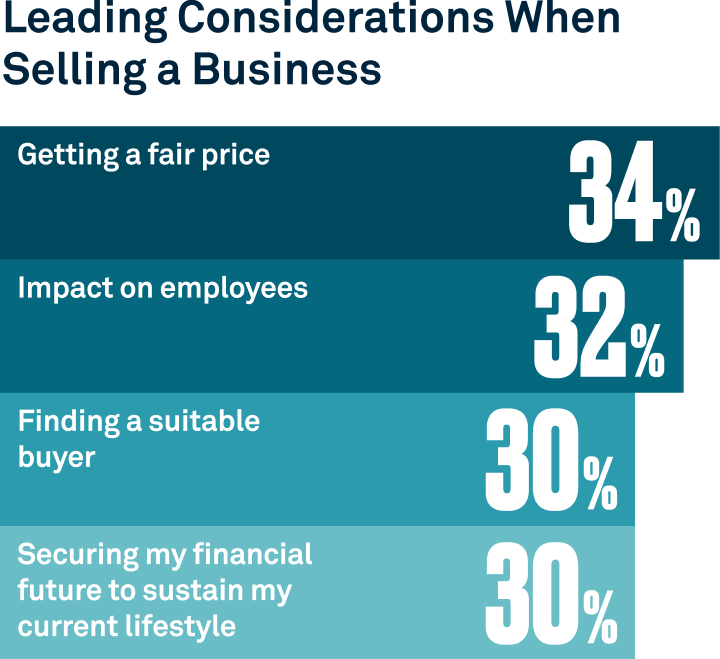
Fair pricing is the top priority for sellers (34%). Yet 91% say cultural fit with the buyer also matters, showing just how personal this decision is.
“Business owners often underappreciate how much they genuinely care about the company culture and their employees until they start going through this process.”
Ryan Szczepanik, Senior Wealth Strategist, BNY Wealth
.jpg)
.jpg)

.jpg)
Build a Winning Team
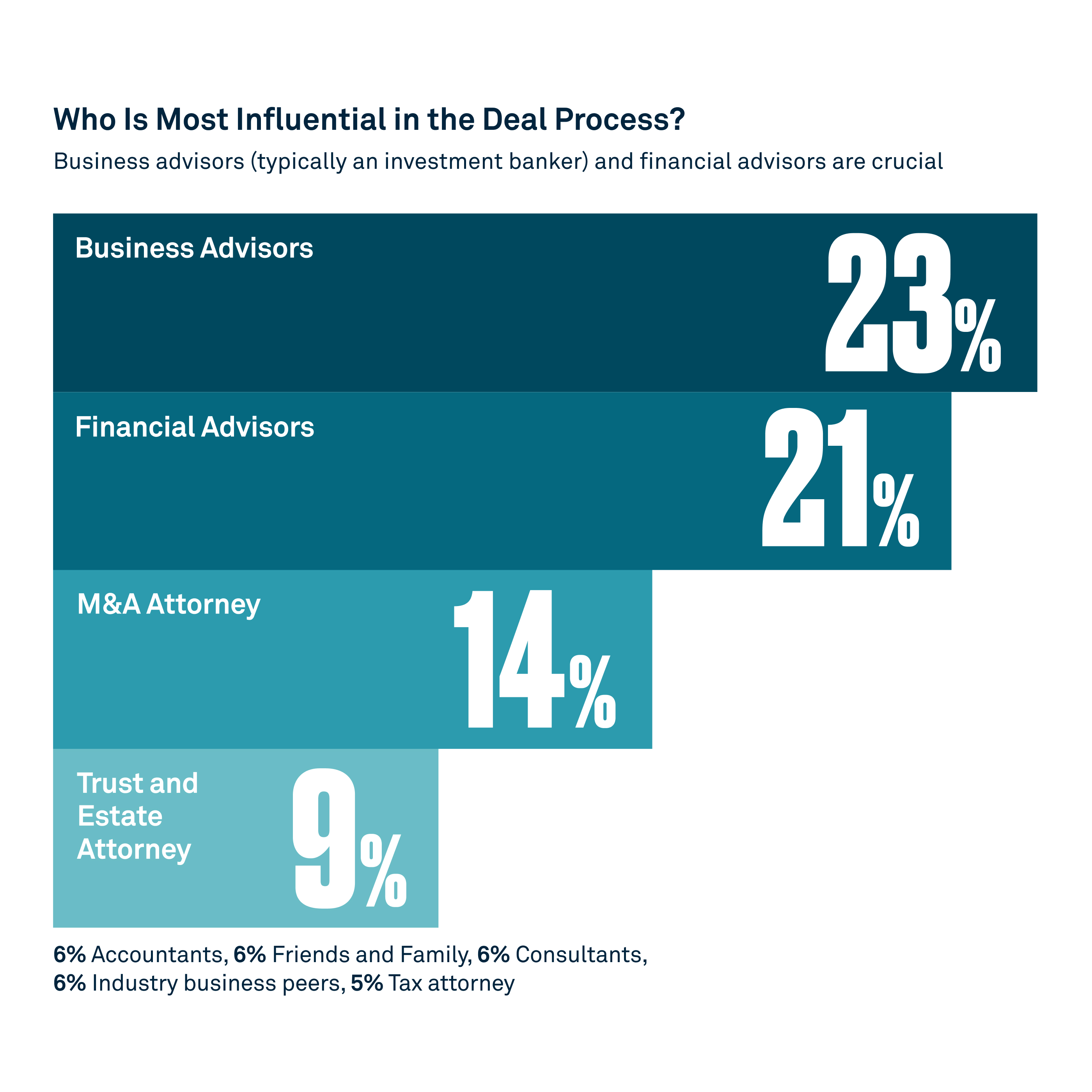
A well-structured deal team provides essential expertise, guidance and confidence throughout the sale process.
- Investment bankers lead negotiations and identify buyers.
- Wealth managers focus on post-sale liquidity and planning.
- M&A and estate attorneys manage legal complexity.
- Certified Public Accountants (CPAs) ensure clean financials and optimal tax outcomes.
As one advisor puts it, “the team is greater than the sum of its parts” and building it early sets the tone for success.
.jpg)
Timing is Everything
Sellers often regret not allowing enough time to prepare.
Allowing for a two-year runway is ideal—especially when it comes to tax planning, financial documentation and strategy—yet only half (52%) started planning to sell at least a year in advance and the rest (48%) gave themselves less than a year.
.jpg)
.jpg)
When it Comes to Tax, Start Early
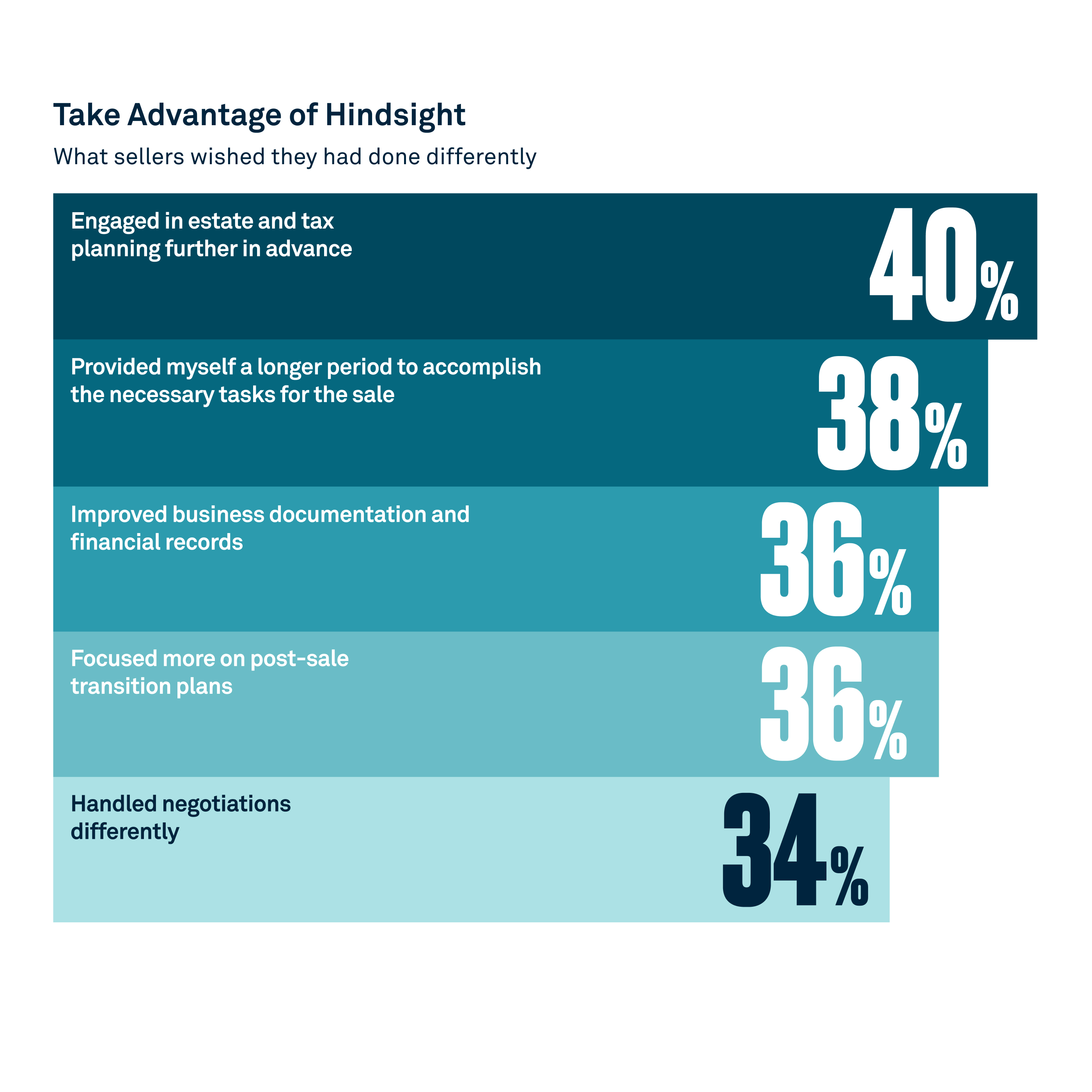
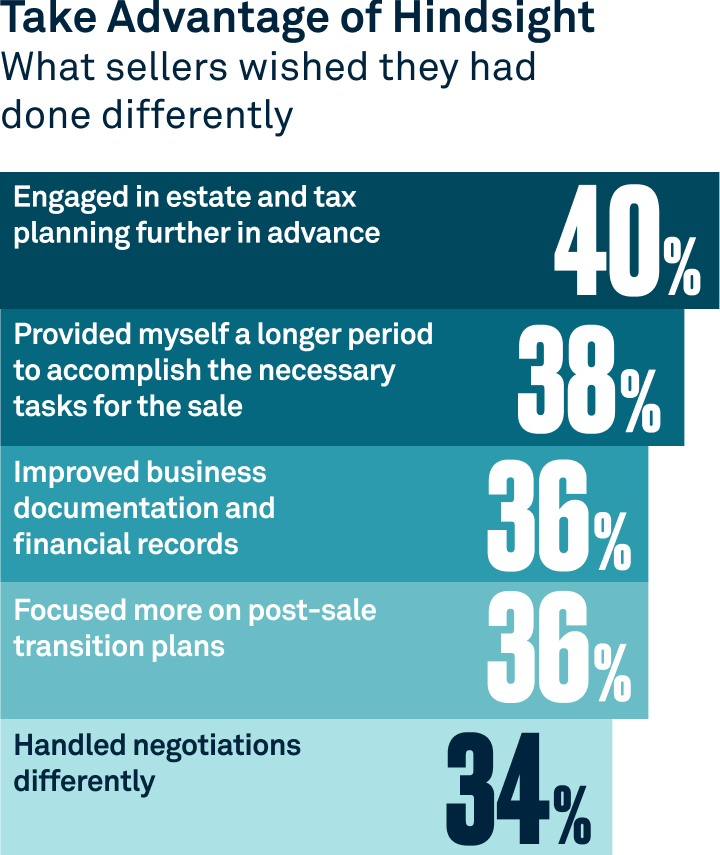
Minimizing income tax, estate tax and gift tax are a core part of the sale process—yet leaving insufficient time to prepare is the number-one regret among sellers: 40% say they wish they had started the estate and tax planning process sooner, 38% would have liked more time to prepare for the sale more generally. Almost as many wish they had had better business documentation and financial records, or focused more on the post-sale transition.
Most owners rely on income tax deferral and exclusion strategies pre-sale, followed by wealth transfers and transferring assets to a trust or other legal entity.
Whatever the approach, the lesson is universal: start early.
Protect Your Profits
While tax planning often requires sophisticated advice, it clearly proves worthwhile. One-quarter reported a significant impact of tax on the net gains of the sale. More than half claim it had only a moderate impact.
“Engaging with tax advisors before determining valuations can maximize the value received from the sale and ensure a smoother transition. Don't wait until the week or month before the sale, start early to avoid any last-minute surprises.”
Jere W. Doyle, Senior Wealth Strategist, BNY Wealth

.jpg)
Key Obstacles to a Smooth Exit
The sale process is a strain, with sellers consistently reporting a number of common challenges.
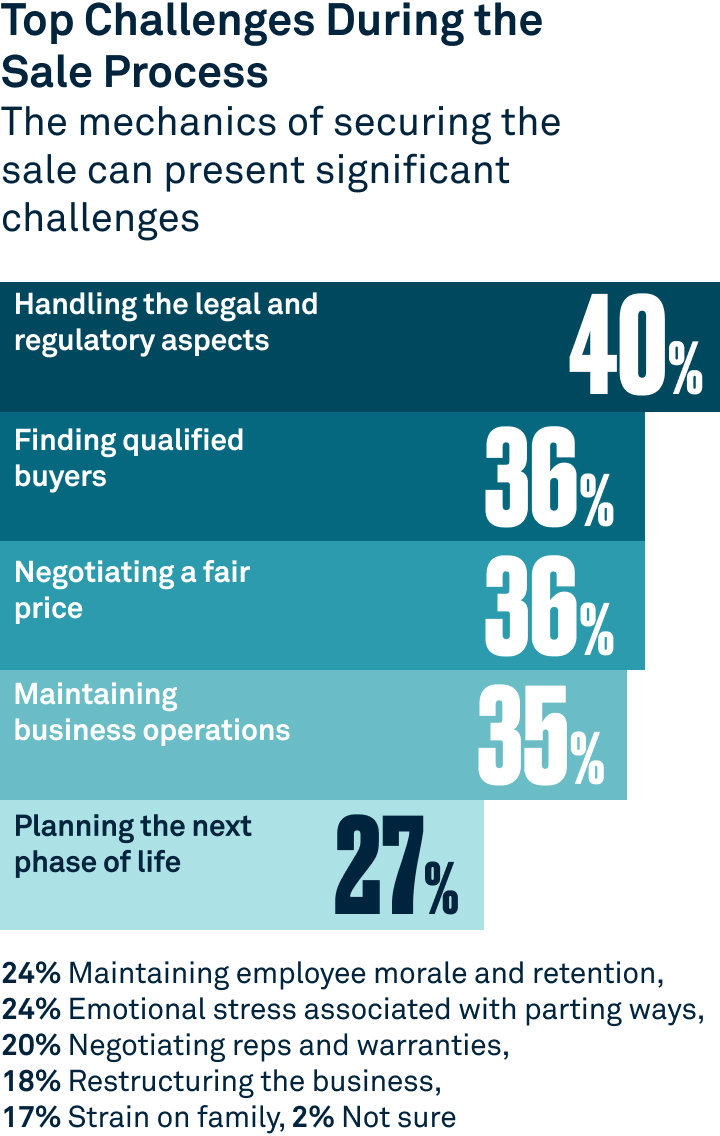
Legal and regulatory complexity tops the list, followed by finding qualified buyers, negotiating a fair sale price, and the demands of managing the business during negotiations.
.jpg)
Challenges During the Selling Process
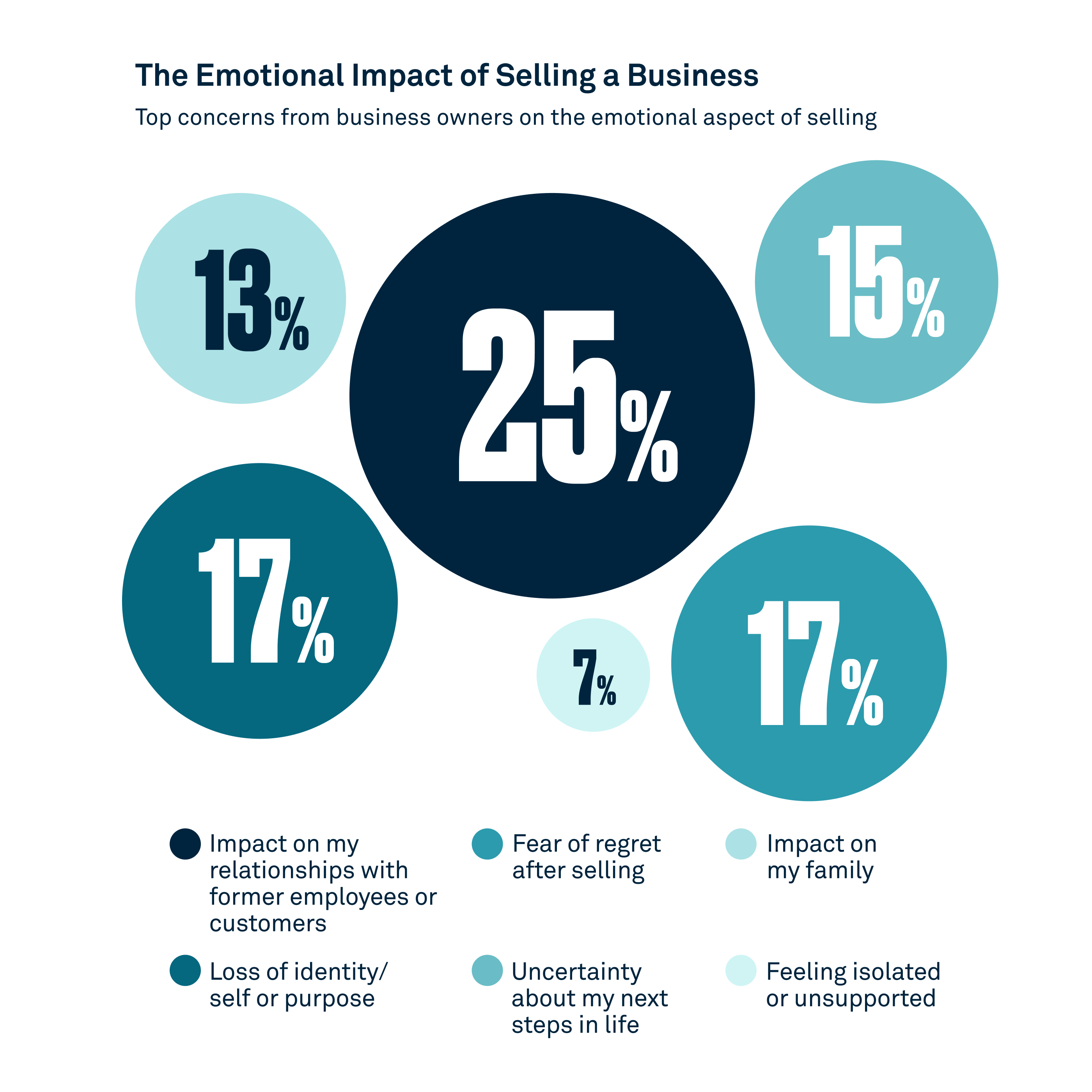
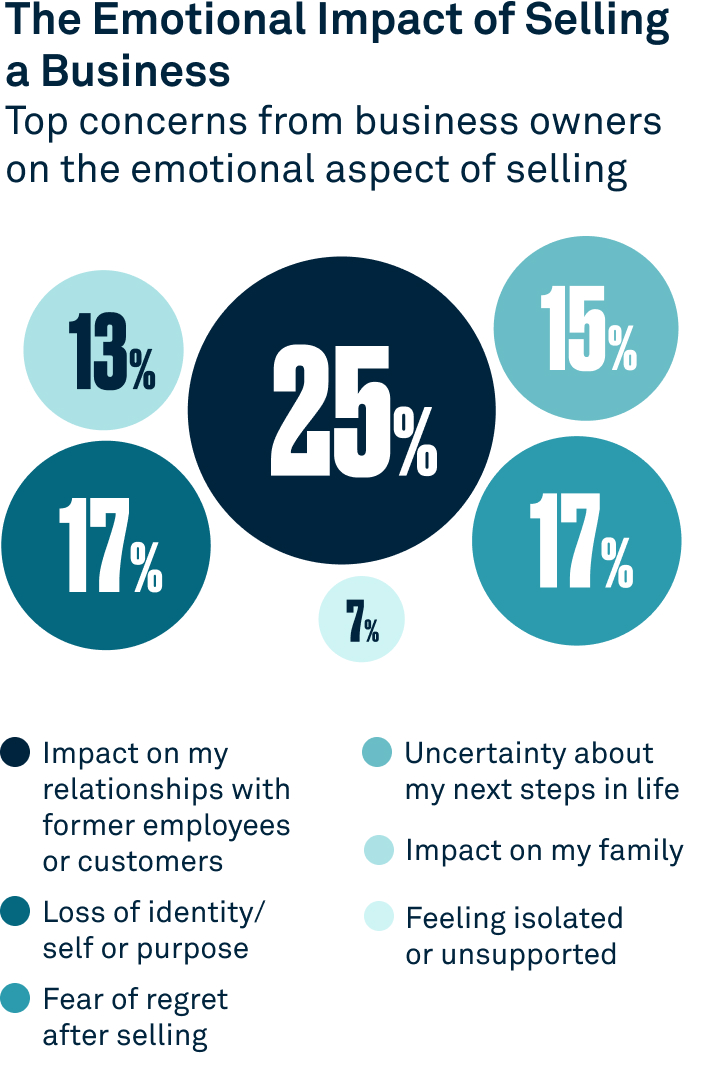
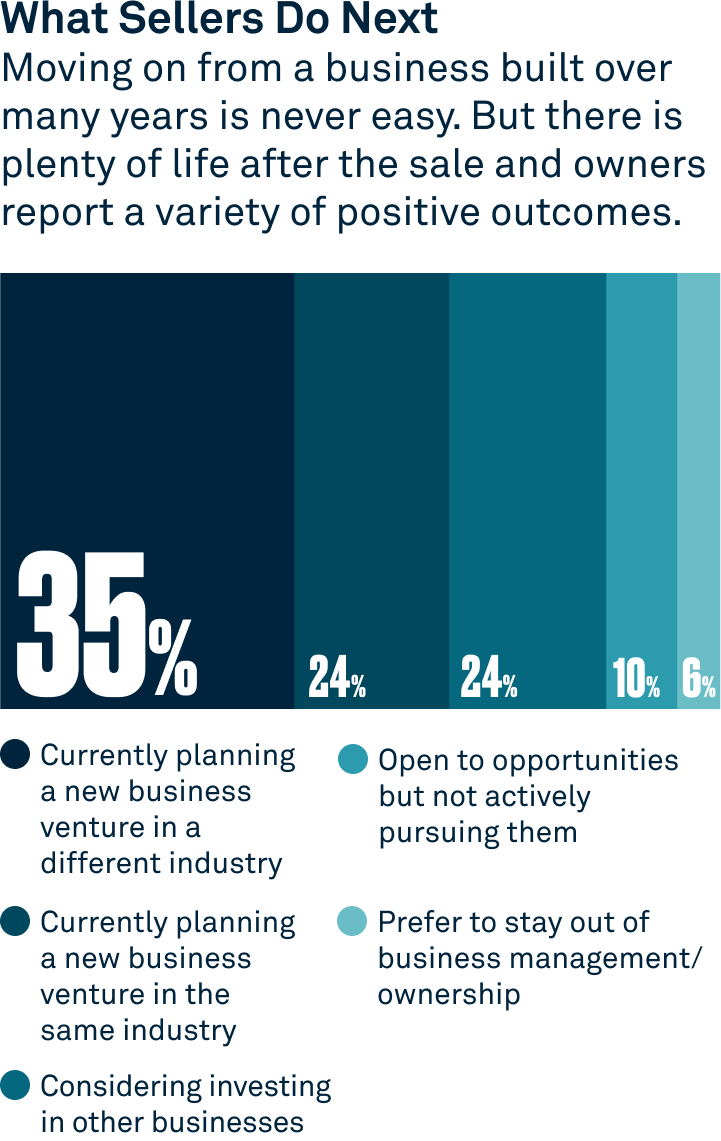
24% of sellers cite the emotional stress of letting go as a key challenge. The same number say maintaining staff morale and retention during the process is tough.
Owners also often overestimate the business’s value, making for difficult conversations. And when family is involved, conflicting views can complicate things further.
.jpg)


.jpg)
.jpg)
.jpg)
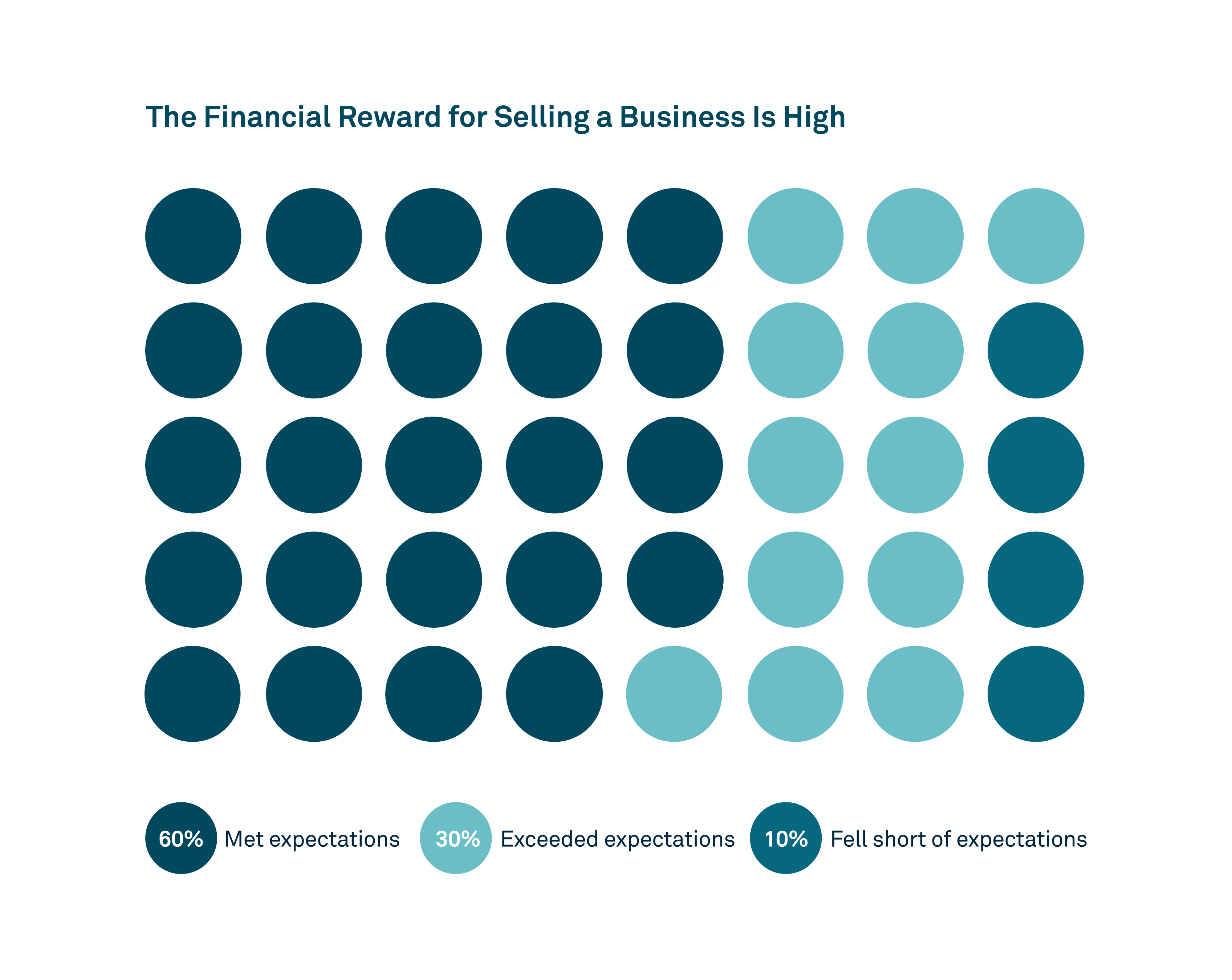
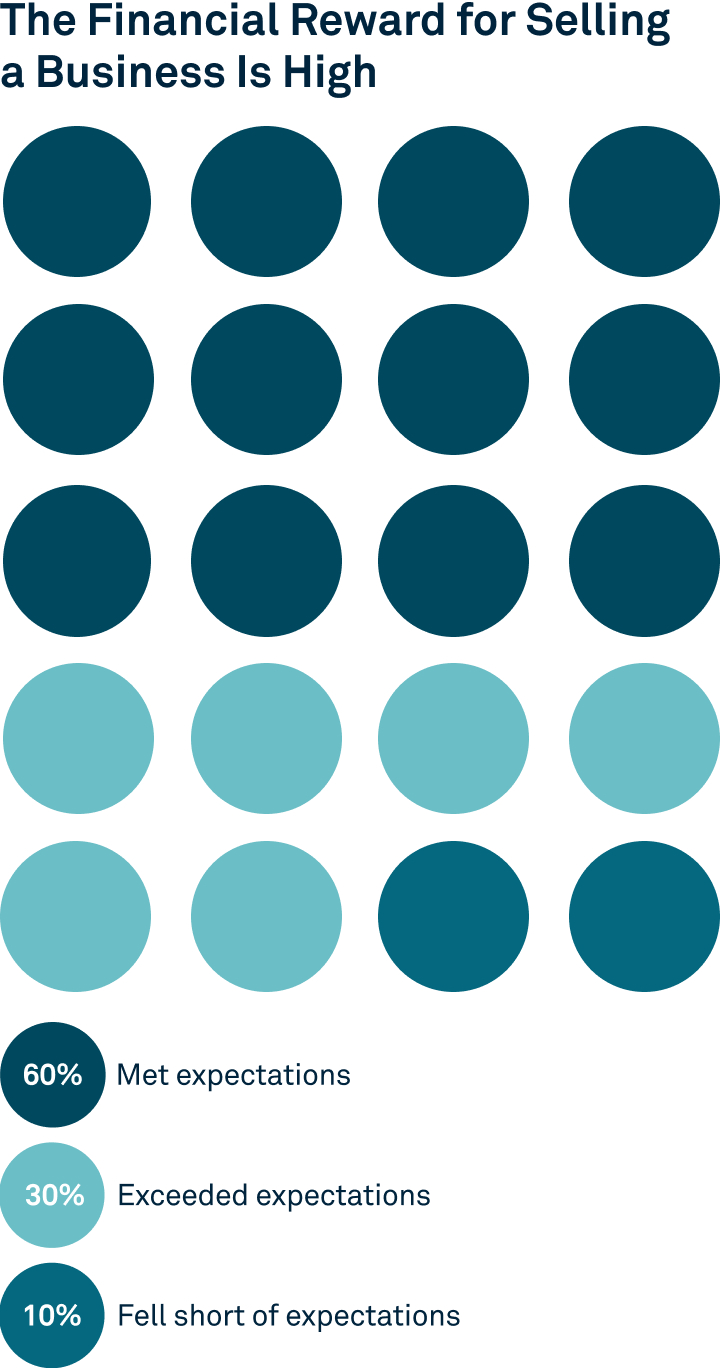
From Owner to Investor
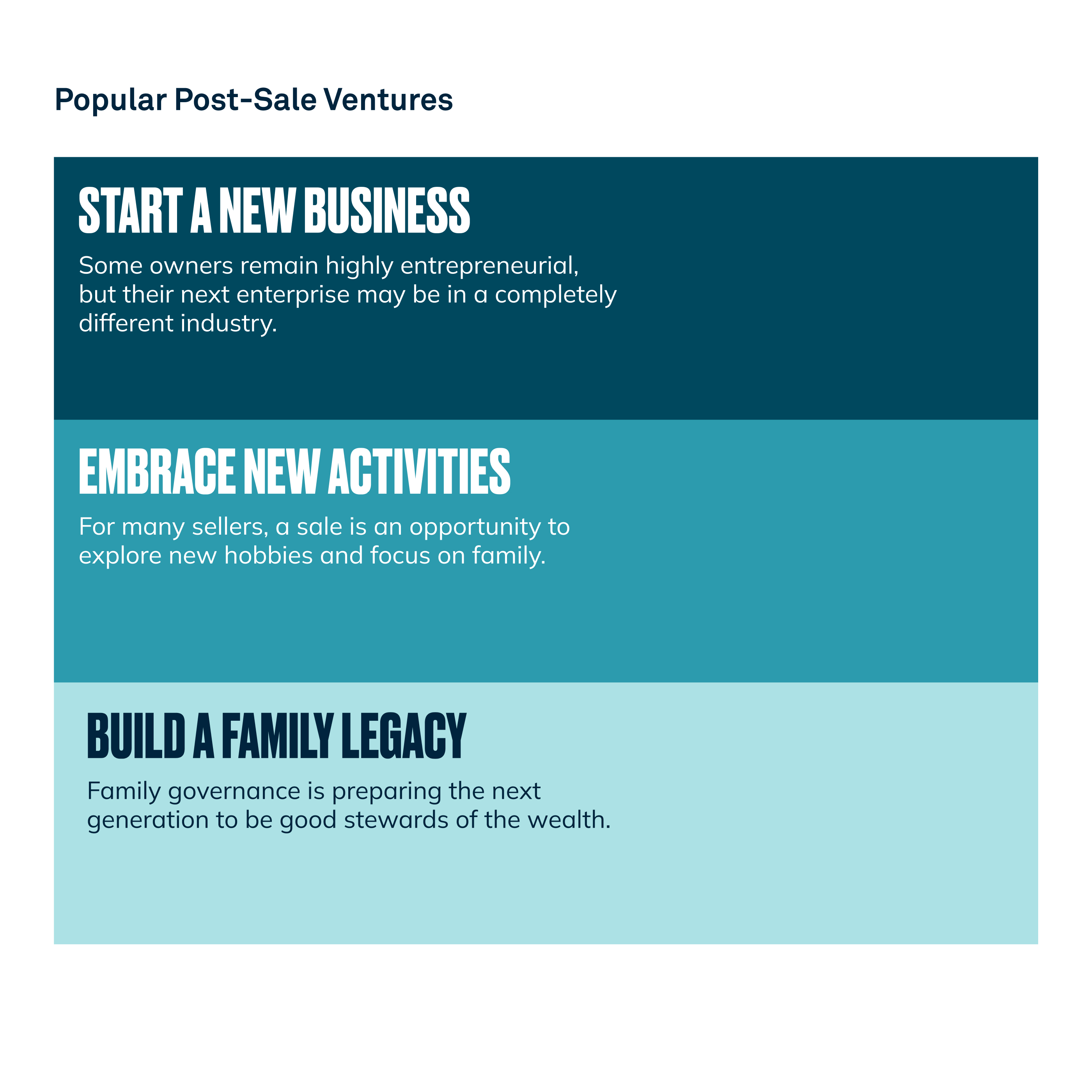
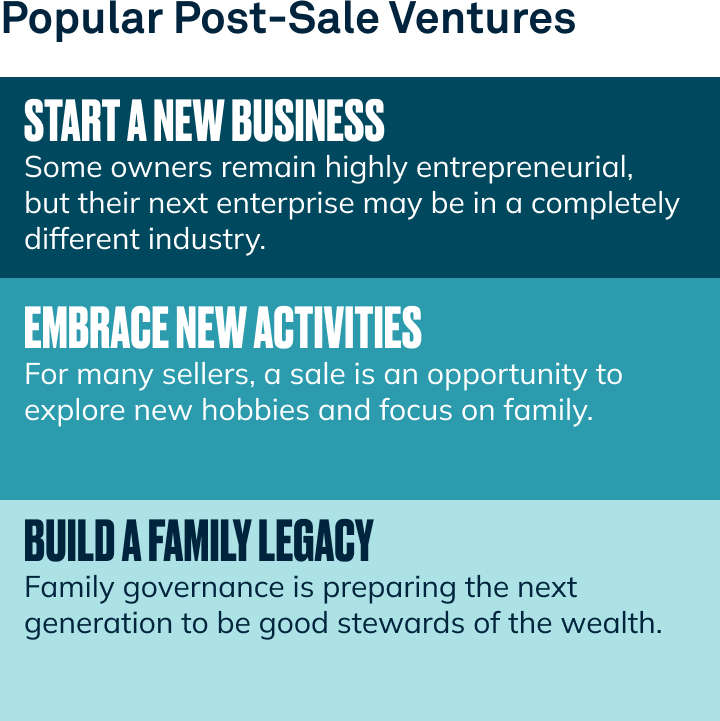
An important part of post-sale life involves managing the transition from entrepreneur to becoming an active investor.
Building an investment portfolio that delivers income and minimizes tax is critical. This is where personalized wealth strategy matters—helping former owners preserve, grow and deploy capital for the future.
To learn more about the best way to sell a business—featuring the latest data, with insights from wealth management experts and private business owners—read BNY Wealth’s Mastering the Sale study.

.jpg)