
Whether at the starting line or moving full force ahead, organizations incorporating Environmental, Social and Governance (ESG) into their business strategies move the needle on their sustainable business model and maximize financial performance. With action and reporting plans for various factors, an effective ESG strategy can enhance relevancy and trust with customers, investors, employees, regulators and board members.

Organizations Must Embed ESG to Be Successful in the Long Term
As consumers, investors and regulators demand more environmentally and socially responsible products and services, organizations are tasked with responding to these expectations with ESG strategies that deliver value for both their sustainability efforts and bottom lines.
An ESG strategy can provide an organization with many benefits, including identifying and managing risks and opportunities related to environmental and social impact, lowering costs, building trust with investors and stakeholders, greening supply chains, attracting and retaining talent, remaining competitive and driving growth in new markets.
At some companies, ESG is perceived as a sideshow to a company’s core business.
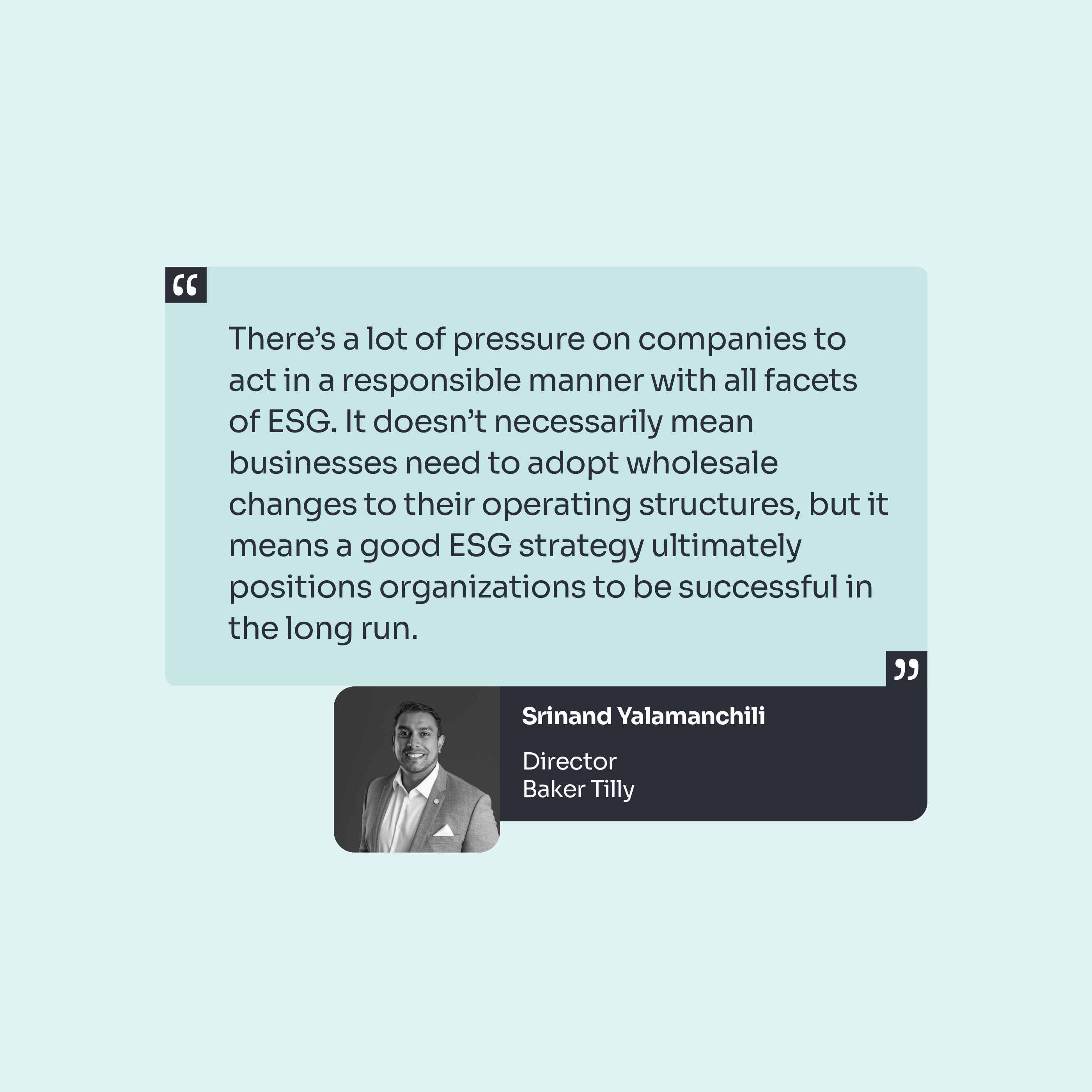
“There is a misconception that action on ESG is a cost,” says Srinand Yalamanchili, director in Baker Tilly's ESG practice. “ESG offers process efficiencies that can save money and put an organization in a better position to access more markets and more capital at better rates.”

How Supply Chains Are Evolving with Sustainability Goals
Increasingly, Fortune 100 companies like Wal-Mart and General Motors (GM) are asking their suppliers to adhere to bold sustainability guidelines and ESG transparency and disclosure as part of the procurement process.
For example, through its Project Gigaton, Wal-Mart has pledged to cut greenhouse emissions by 1 billion tons across its supply chain by 2030. The retailer says this is the equivalent of removing 211 million vehicles from the road for an entire year.
More than 4,500 suppliers have signed on to Wal-Mart's Project Gigaton, one of the largest private-sector climate action initiatives. Additionally, last year, GM invited its suppliers to join them in a commitment to carbon neutrality, along with the development of social responsibility programs and the implementation of sustainable procurement and supply chain practices.
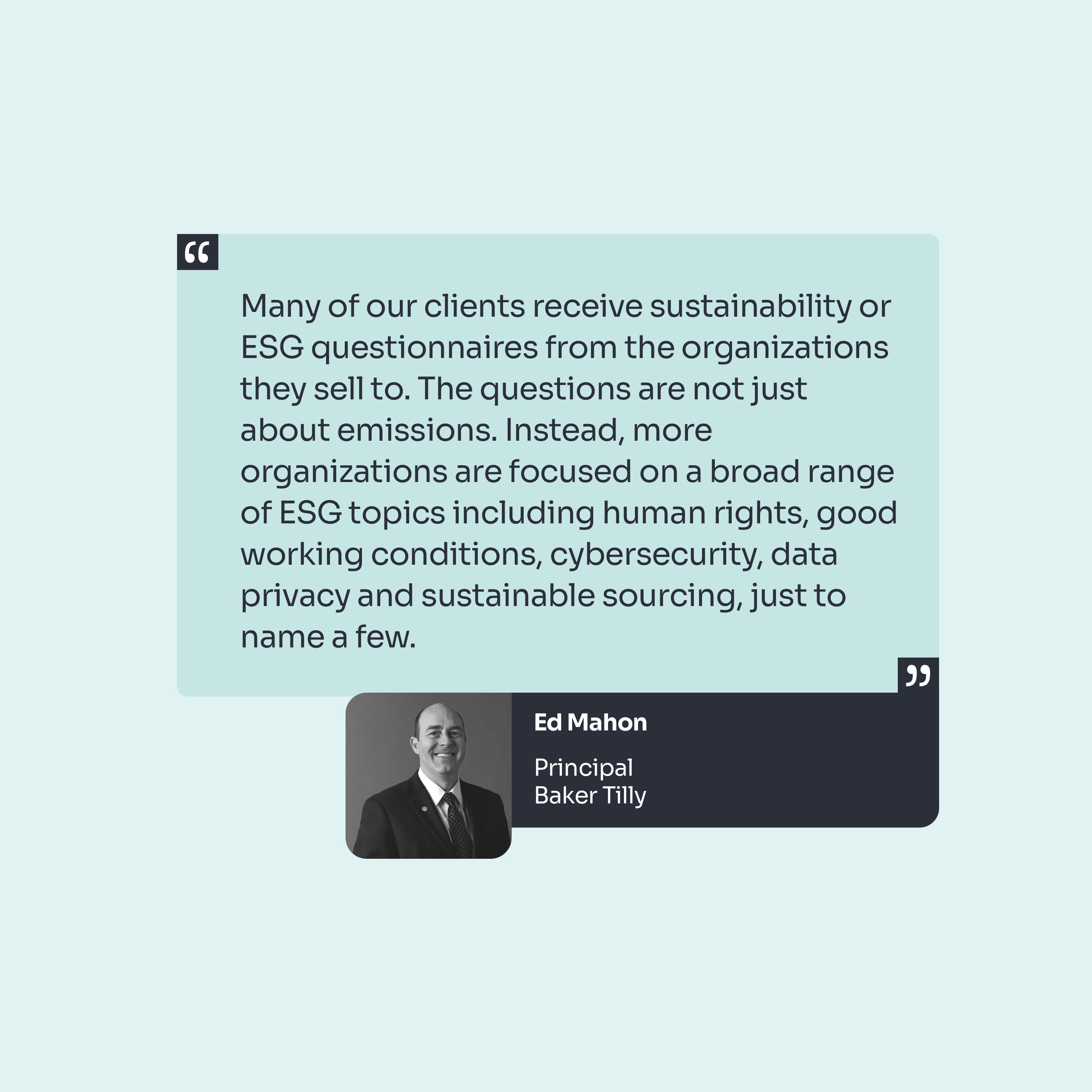
Ed Mahon, principal in Baker Tilly's business advisory services practice, says organizations that can navigate a multidimensional reporting landscape will be better prepared for business development and responding to both current and future customer needs.
“The ability to speak clearly about your organization’s ESG strategy is critical. Not only can it provide your customers with the information they need, but it also enhances your ability to successfully navigate the sales process,” he says.
ESG Touches Everyone in the Value Chain
ESG factors impact the entire upstream and downstream supply chains of most organizations, regardless of their industry or size. For example, when a tier three manufacturer is unable to report its purchased goods and services to a large corporation, it may fall out of that supply chain, which will directly impact the organization, its employees and stakeholders.
“The tide is turning away from thinking that ESG is only about climate change and energy for big companies,” says Yalamanchili. “Regardless of the size of your company, you have a role to play in ESG.”

Despite Criticisms, ESG is Gaining Popularity
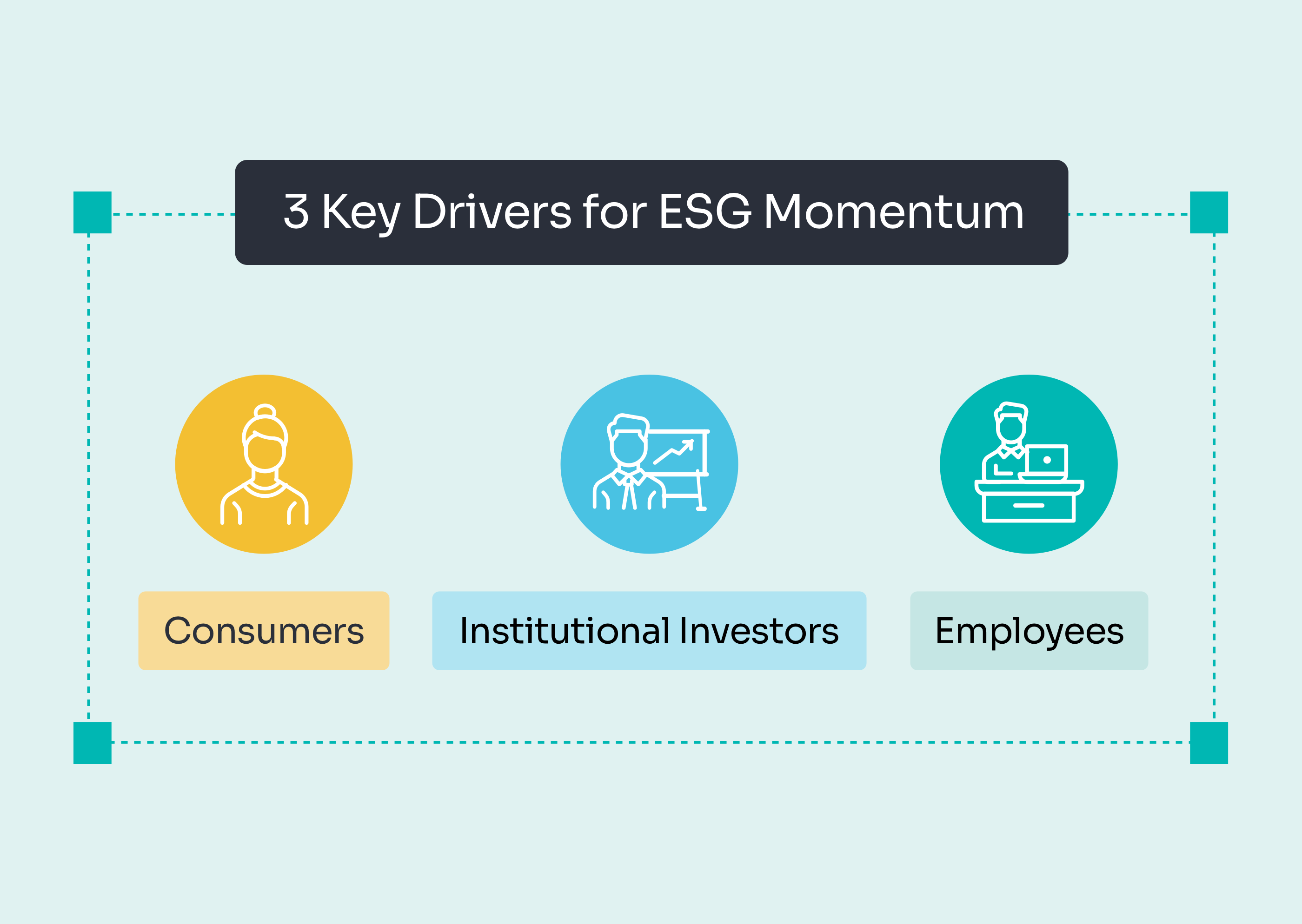
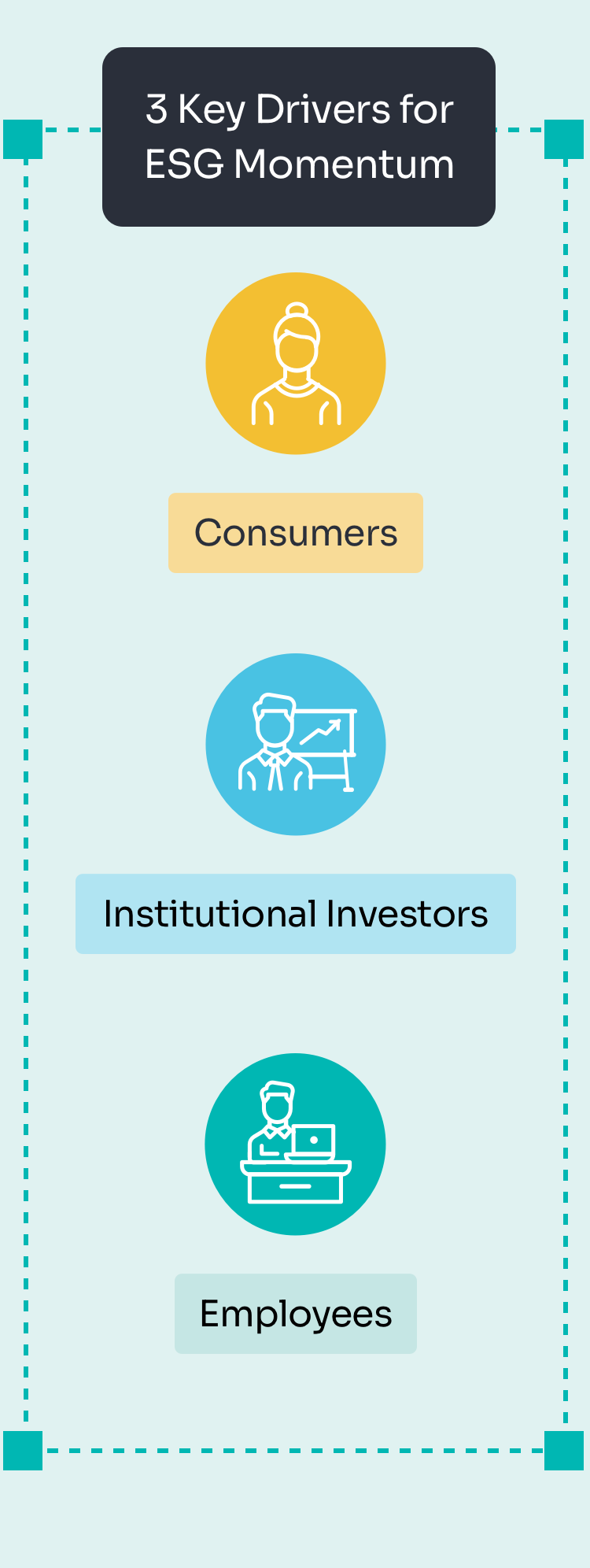
Consumers, employees and institutional investors are three key drivers of ESG momentum.
Consumers
In 2022, US consumers spent $14.1 trillion on personal consumption expenditures, with two-thirds ($5.9 trillion) of that on packaged goods like food, beverages, clothes and personal care and household products, according to Forbes.
Many of these consumers want more sustainable packaging for their products. In a 2020 McKinsey & Company survey, over 60% of respondents said they would pay more for a product with sustainable packaging. Consumer packaging companies that made ESG-related claims averaged 28% cumulative growth over a five-year period versus 20% for packaging companies without similar claims, according to a McKinsey and NielsenIQ study.
Employees
Employees are key in prompting organizations to set an effective ESG strategy. 70% of employees say sustainability programs make employers more appealing, and 80% want to help their organization reach its ESG goals, according to an IBM study.
“Younger employees want their organization to develop a sustainability strategy and be transparent about these ESG metrics,” says Mahon. “It comes up in the recruiting process. Job candidates want to know what companies stand for.”
Institutional Investors
ESG assets are expected to surpass $50 trillion by 2025, according to Bloomberg Intelligence. Asset managers are increasingly aware that ESG factors are major drivers of long-term investment performance. For example, four in five institutional investors in a Morgan Stanley survey said they were integrating ESG considerations into their investment process.

How to Avoid Greenwashing and Create Transparency
Despite this momentum, ESG faces intense scrutiny from skeptics who contend that many organizations and asset managers are greenwashing—overstating or making misleading claims about the impact of their ESG policies and programs.
If organizations fail to meet their stated ESG goals, they could face regulatory and legal risk issues, not to mention lose credibility with their stakeholders. The Harvard Business Review estimates that organizations perceived to be greenwashing suffer a 1.34% drop on average in their American Customer Satisfaction Index (ACSI) score.
Organizations can avoid greenwashing by having a robust and transparent ESG strategy, but they must align their corporate objectives with their sustainability goals for effective outcomes. Today, Fortune 100 companies typically have sustainability officers, but in middle-market organizations, ESG reporting and compliance duties often fall to a CFO who is juggling many priorities.
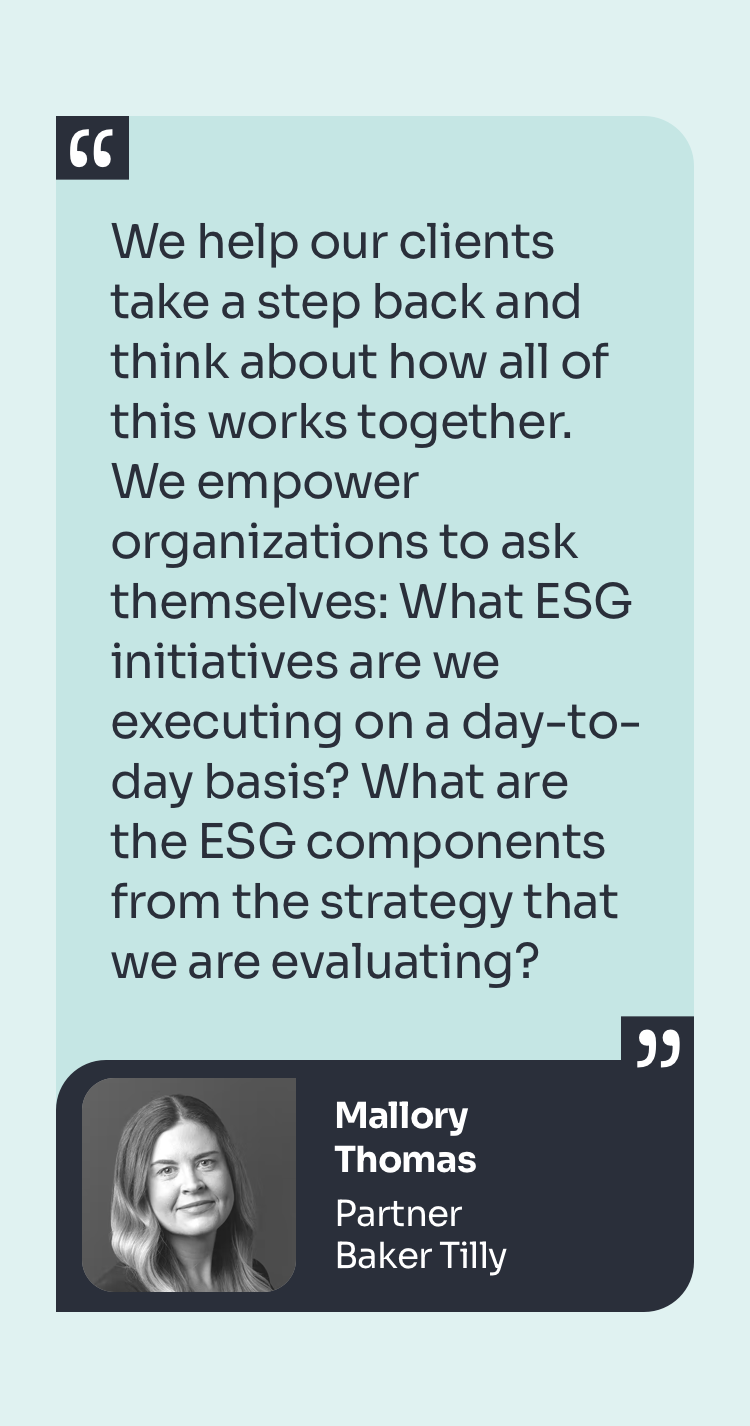
Mallory Thomas, partner in Baker Tilly’s risk advisory practice, says it’s common for middle-market clients to receive requests from vendors they work with to report certain ESG metrics. However, all too often, compliance is done without building a reporting structure for the long haul.
Why Organizations Fall Short on Their Sustainability Journeys
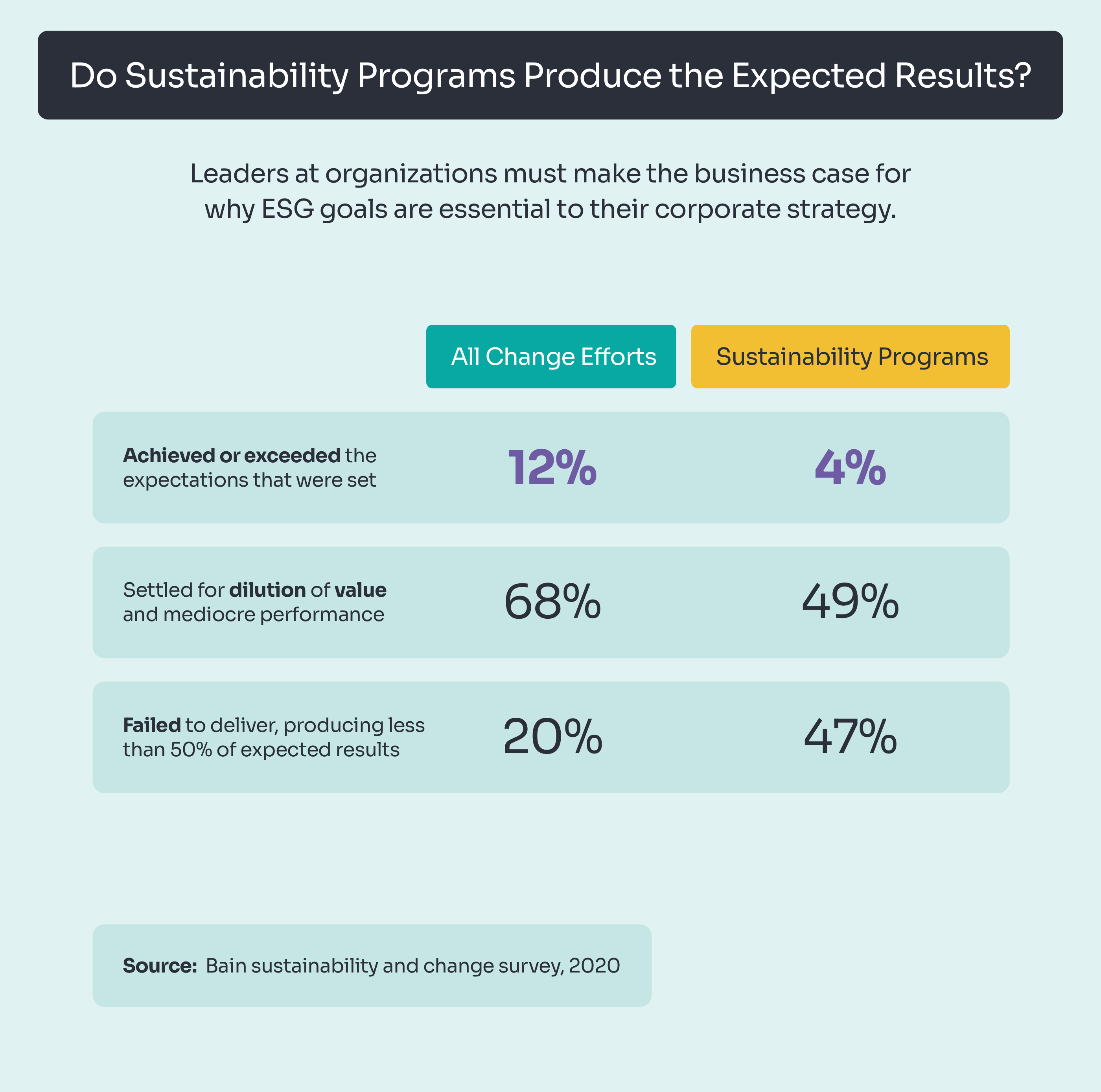
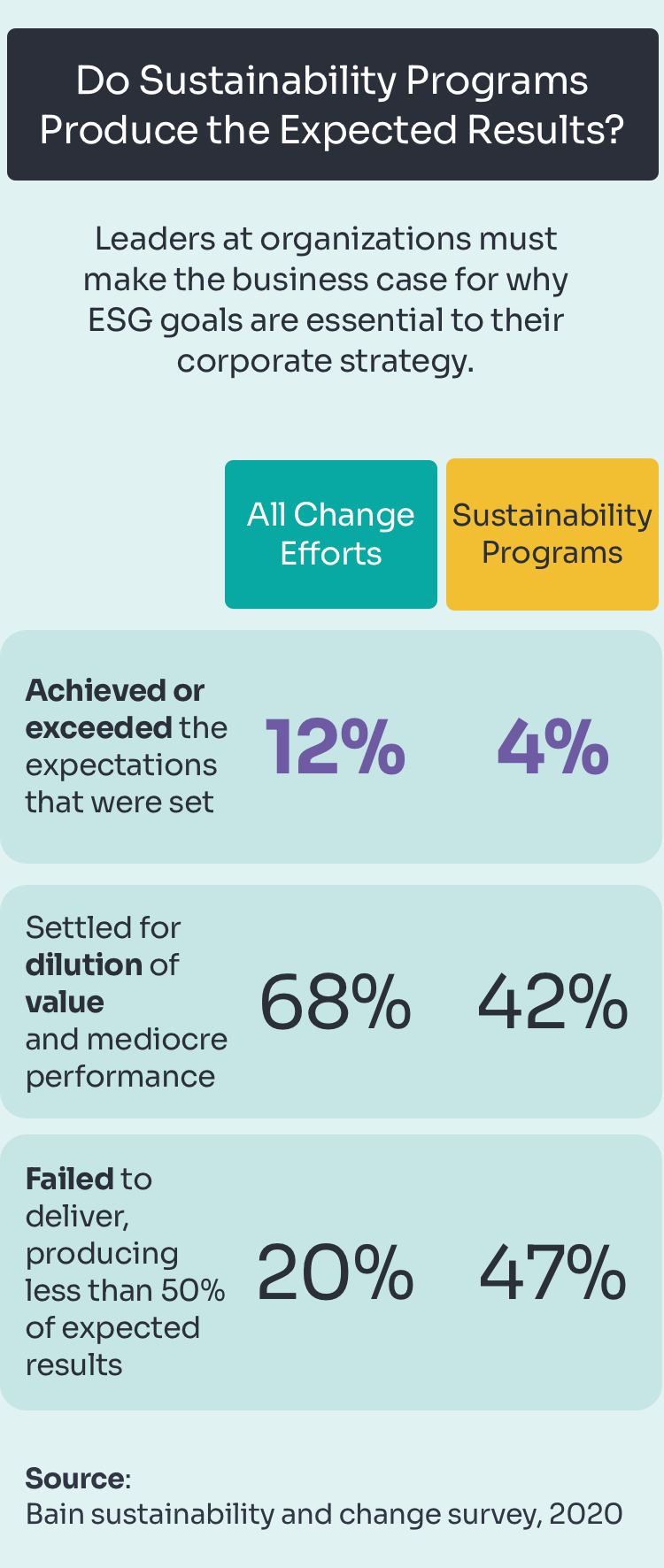
Well-intentioned but poor efforts at organizational transparency are directly connected to the failure of ESG journeys. A 2020 Bain & Company sustainability survey showed that only 4% of organizations achieved or exceeded their sustainability goals. An earlier Bain study reported that when employees are forced to choose between sustainability and business targets, they overwhelmingly choose the business targets. Yet achieving both are possible for any company that aligns its corporate strategy with ESG goals.
“Those ESG priorities that you’re executing should really be tied to some sort of return on investment,” Thomas says. “Essentially, it’s not just all for good; it’s all for the overall impact and long-term value creation you have as a company or organization.”
The Inflation Reduction Act Supercharges Clean Energy ESG Initiatives
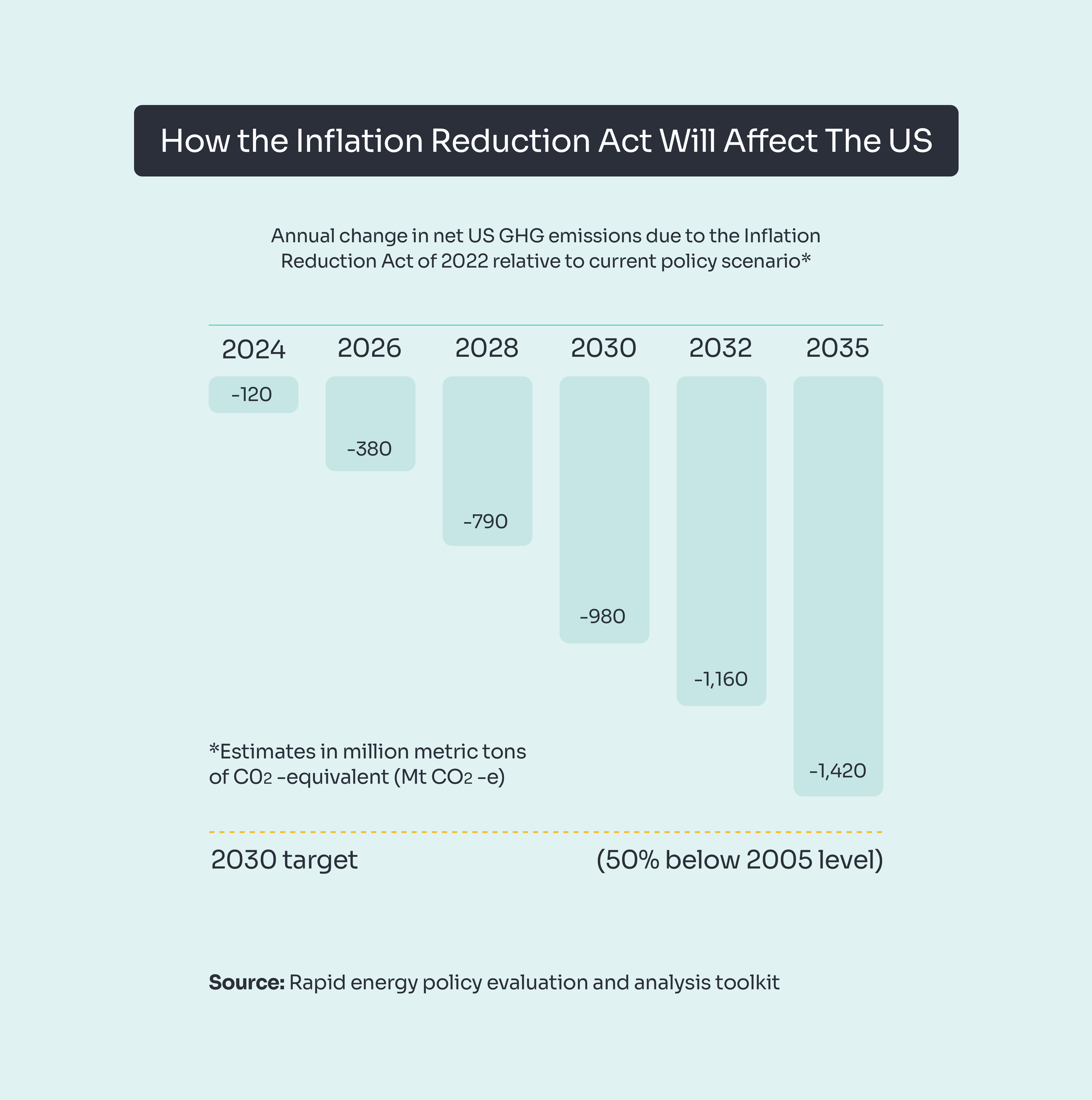
Signed into law by President Biden on Aug. 16, 2022, the Inflation Reduction Act (IRA) is the most sweeping climate legislation in US history. The tax credits offered through the IRA will incentivize organizations across multiple industries to deliver on sustainability and carbon-reduction commitments.
However, the act’s tax credit rules—nearly $400 billion up for grabs in clean energy and climate provisions—are extremely complicated. Organizations require specialized expert guidance to navigate the intricacies of earning these incentives and implementing them effectively across their organizations.
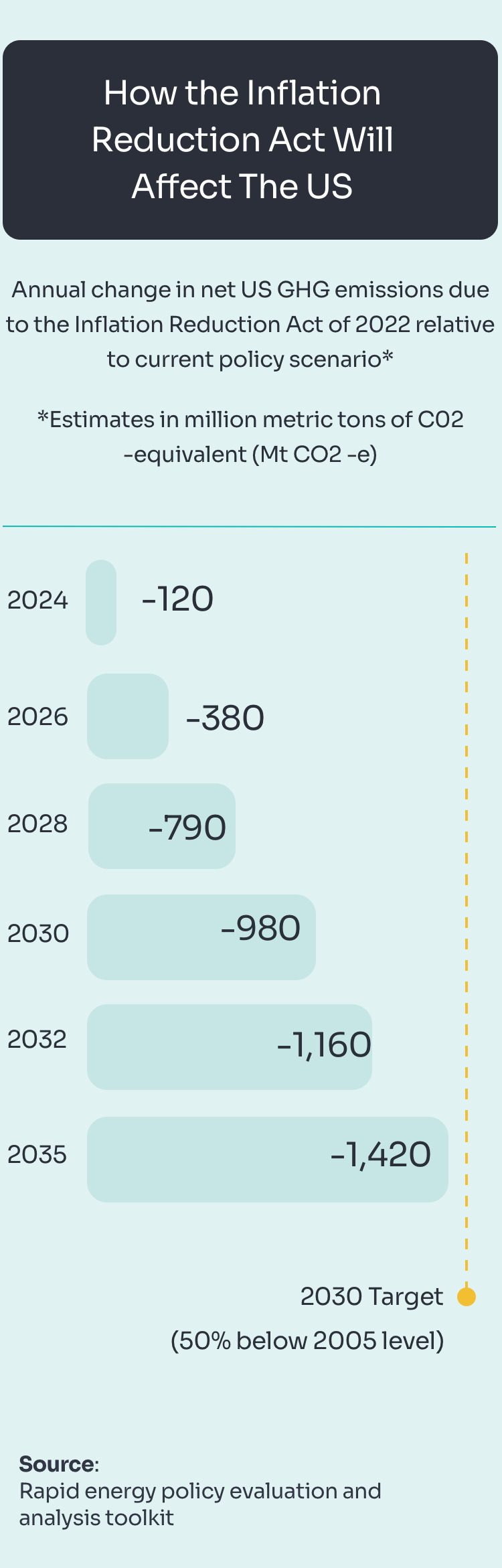
Baker Tilly’s Energy practice demystifies this process for its clients and helps them create a roadmap to take advantage of these tax credits.
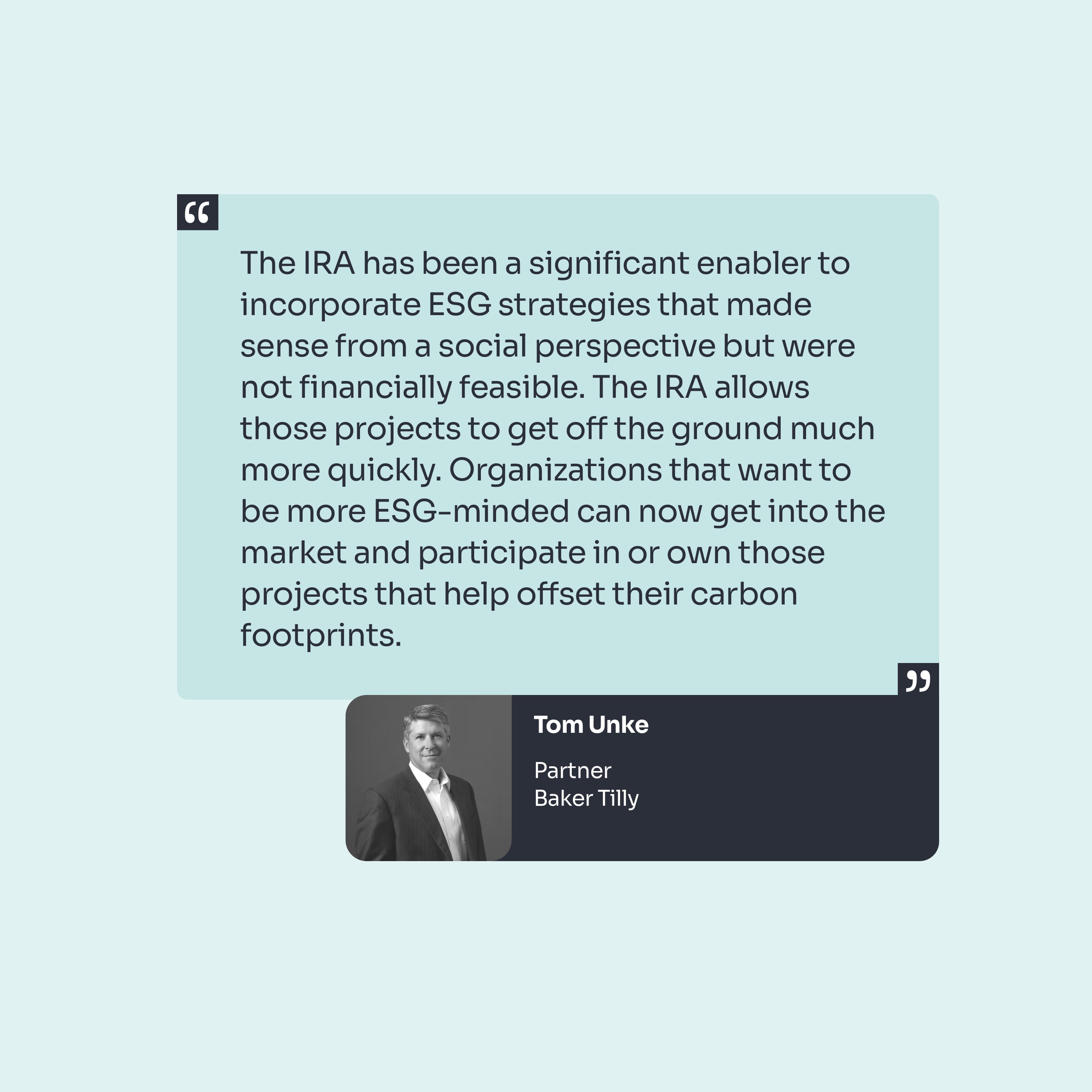
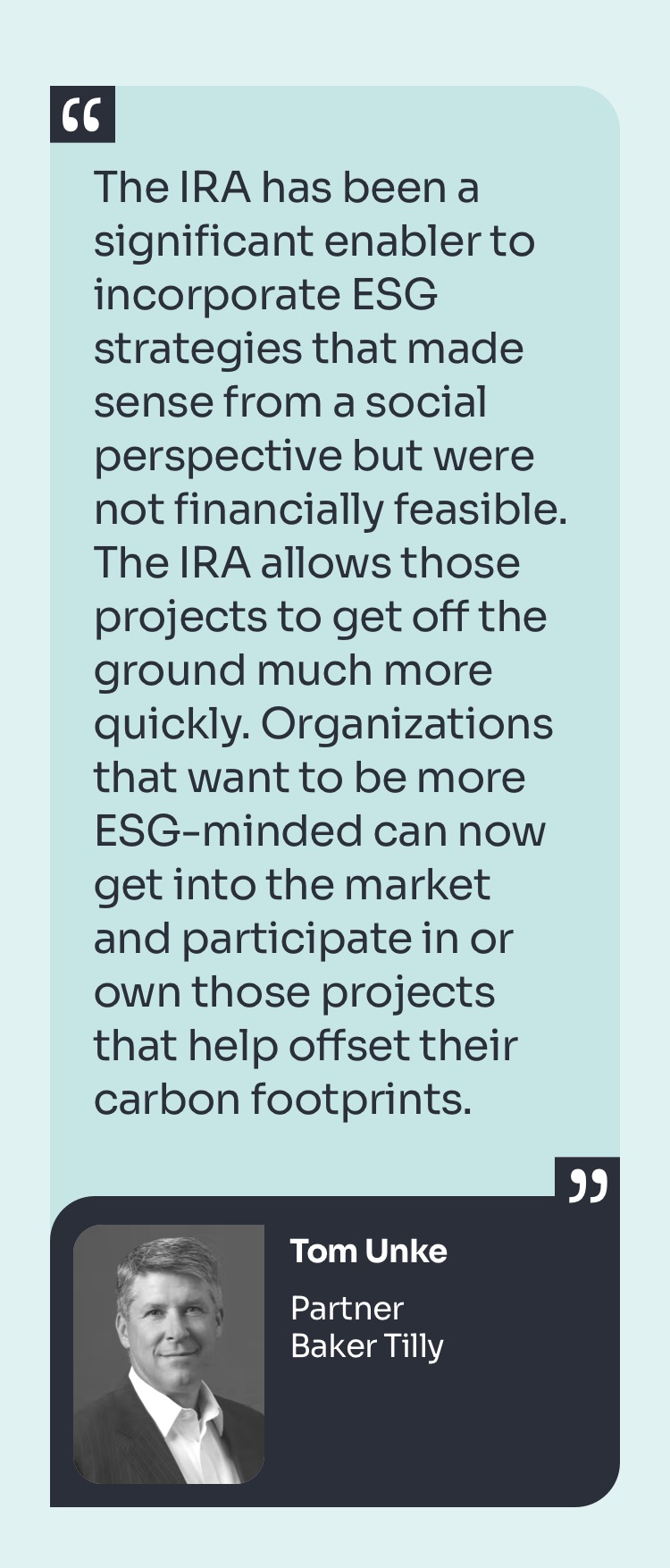
Organizations that in the past might have put sustainability projects on the back burner due to cost can now move forward on a faster timetable.
There is No ESG Strategy without DEI
For many organizations as well as the public, ESG is synonymous with the energy sector, climate change, the reduction of carbon emissions and renewable energy. Yet ESG is a multidimensional term for strategies, reporting programs and action plans for various factors that impact an organization’s sustainability.
At Baker Tilly, a robust ESG strategy includes diversity, equity and inclusion (DEI) as part of its social strategy.
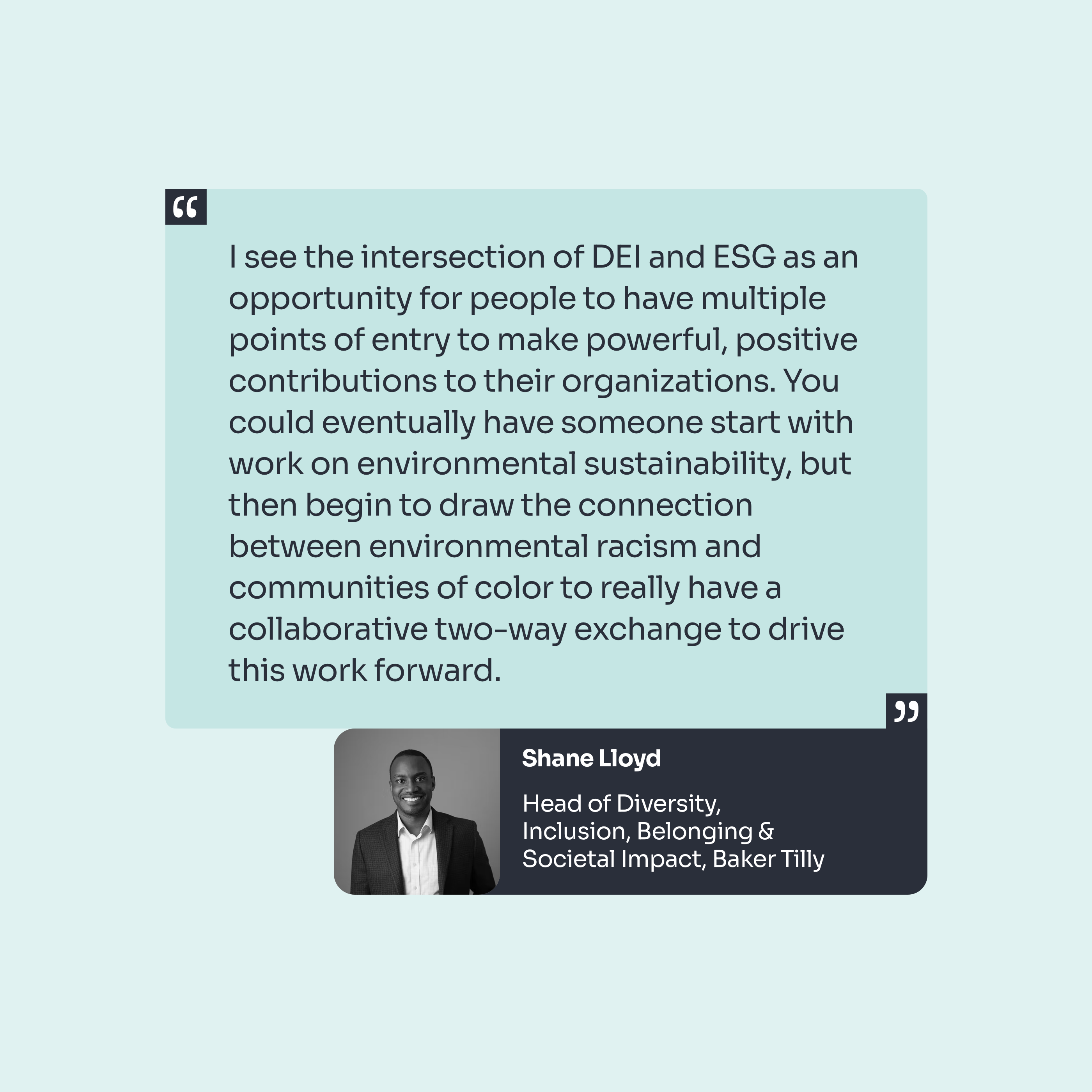
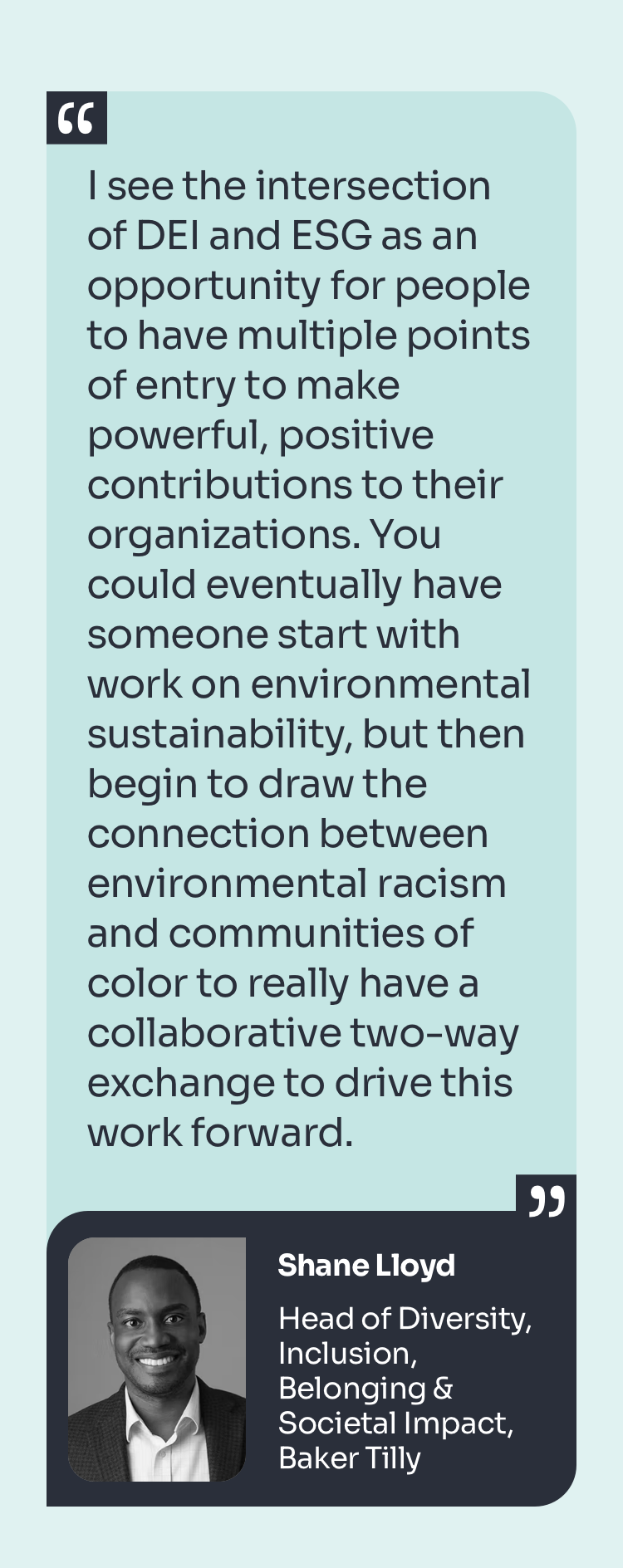
Regarding governance, Shane Lloyd, Head of Baker Tilly’s Diversity, Inclusion, Belonging & Societal Impact, says that if organizations are not auditing their processes for inequities, they’re unable to serve diverse stakeholders, whether those stakeholders are employees, leaders, customers, community members or investors.

How to Start Your ESG Journey Toward Organizational Sustainability
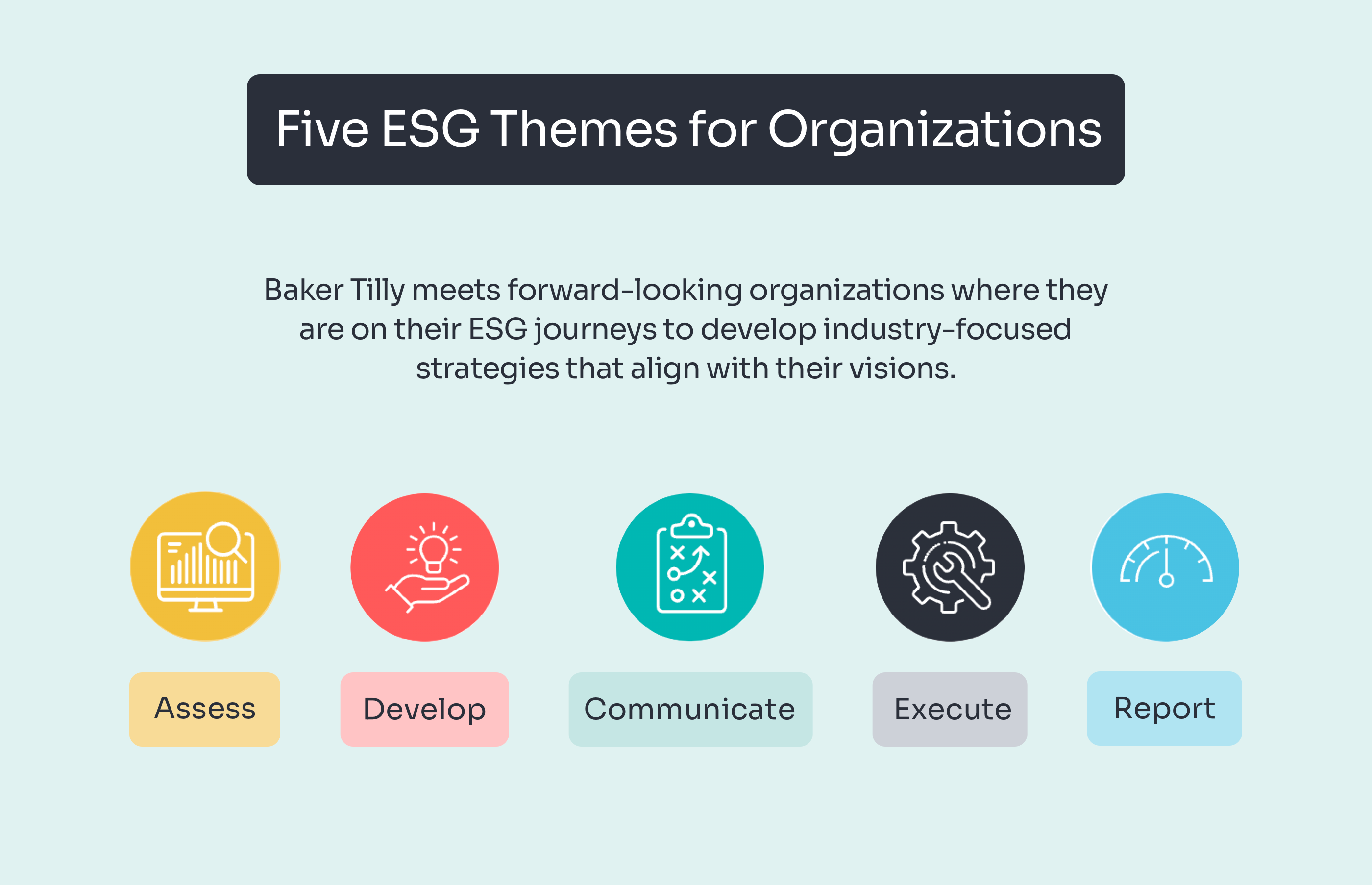
Baker Tilly meets organizations where they are on their ESG journeys to develop and execute industry-specific strategies and guides them along five themes.
• Assess the current state of sustainability efforts and evaluate what topics and initiatives are most relevant to the organization.
• Develop a strategy that aligns with the organization’s goals and values.
• Communicate the strategy and an execution plan to key stakeholders.
• Execute the plan.
• Report reliable information to the appropriate regulatory and compliance agencies.
“Many organizations are in a wait-and-see mode for when to start this journey,” says Mahon. “But that’s not best practice. You need to start thinking about it and organizing internally to ensure the build of an intentional ESG program over time. So when you get a request from another organization to do business or report on sustainable metrics, you’re ready.”

The stats are in. ESG presents organizations with opportunities from all angles. The key is to start somewhere and that’s where Baker Tilly can help. We see you where you are, explore ESG possibilities with you and craft your next leg toward organizational sustainability.