






If AI is the brain, robotics are the body — representing the execution layer and bringing intelligence into motion with precision, adaptability, and real-world impact. As generative models grow more capable and hardware becomes cheaper and more versatile, we’re entering the era of physical AI, where machines don’t just think — they see, move, and act in real time.
As adoption rapidly accelerates and robotics reach an inflection point, costs continue to fall while performance capabilities strengthen dramatically.1 This new generation of intelligent systems narrows the gap between digital intelligence and physical labour, impacting how work is organised, how industries scale, and where human effort delivers the greatest value. From logistics to manufacturing, physical AI is set to reshape workflows and operational models across nearly every sector.
Forces Behind the Rise in Robotics
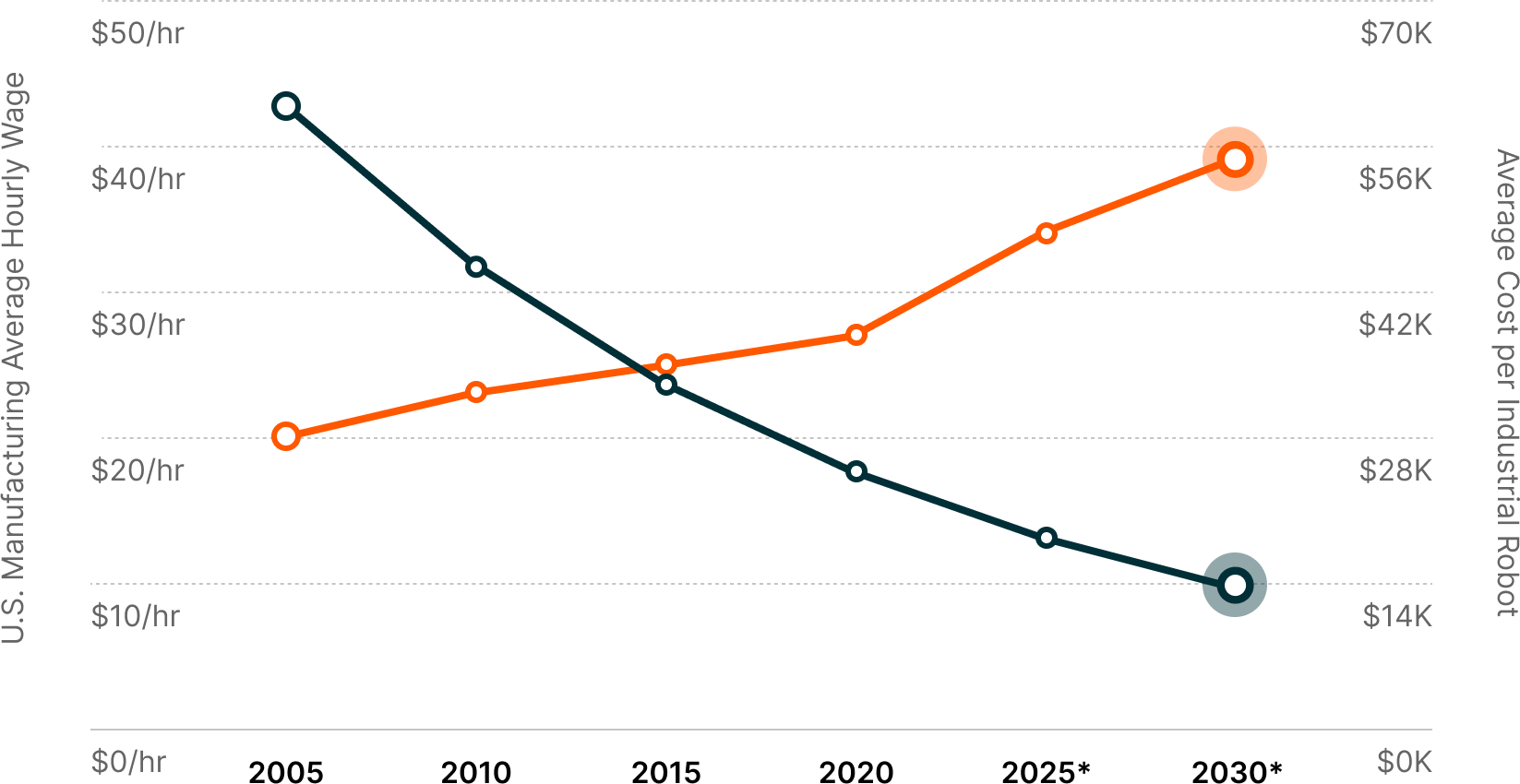
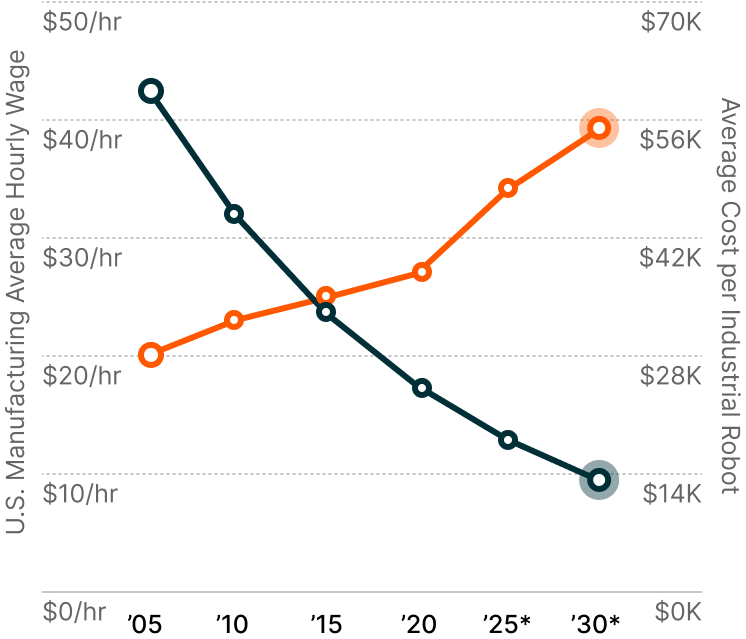
Industrial robotics have crossed a critical threshold, demonstrating clear value across factories, warehouses, and laboratories. A perfect storm of economic forces is accelerating adoption: 1) rising U.S. labour costs; 2) surging demand for automation in precision manufacturing; and 3) declining costs for robotic setups.2
This convergence arrives as U.S. reshoring efforts collide with acute worker shortages.3 Manufacturers are deploying hybrid models that amplify human capabilities through robotic collaboration, realizing operational gains and enabling workers to focus on more strategic roles.4
Manufacturing Wages vs. Average Cost of Industrial Robots5








There is no guarantee that any trends observed in this material will continue. Any views / opinions are based on current market conditions and are subject to change.
Self-Driving Vehicles Could Lead the Physical AI Revolution
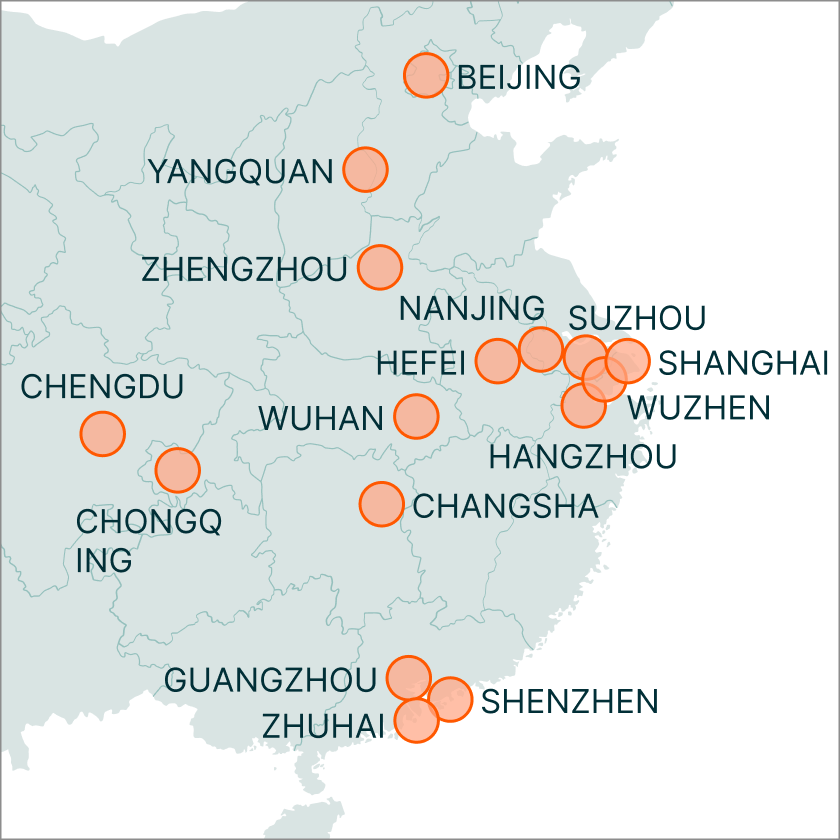
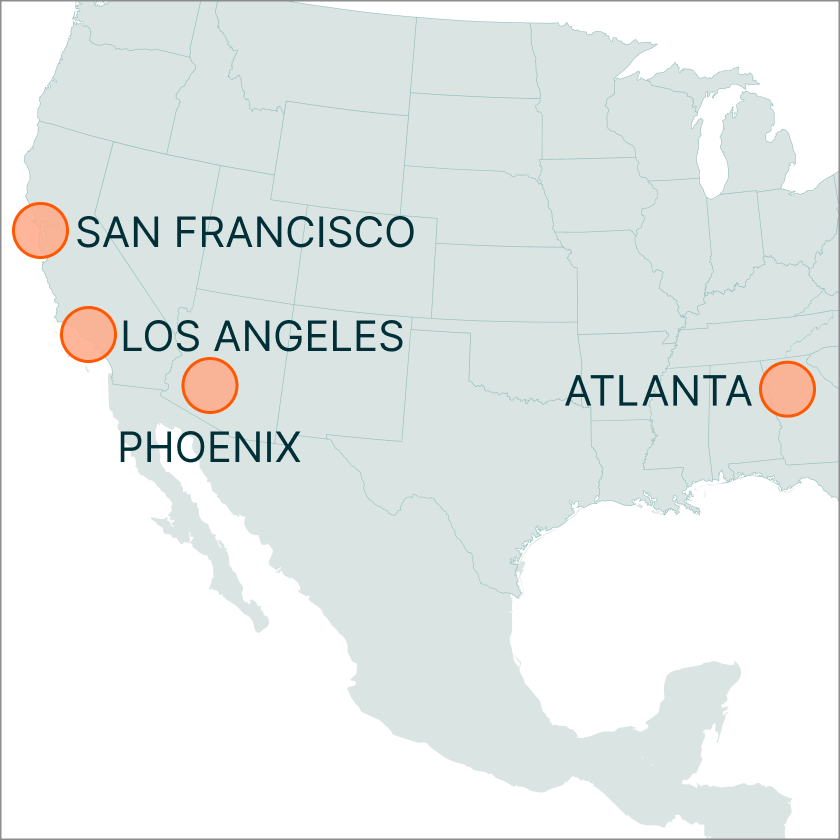
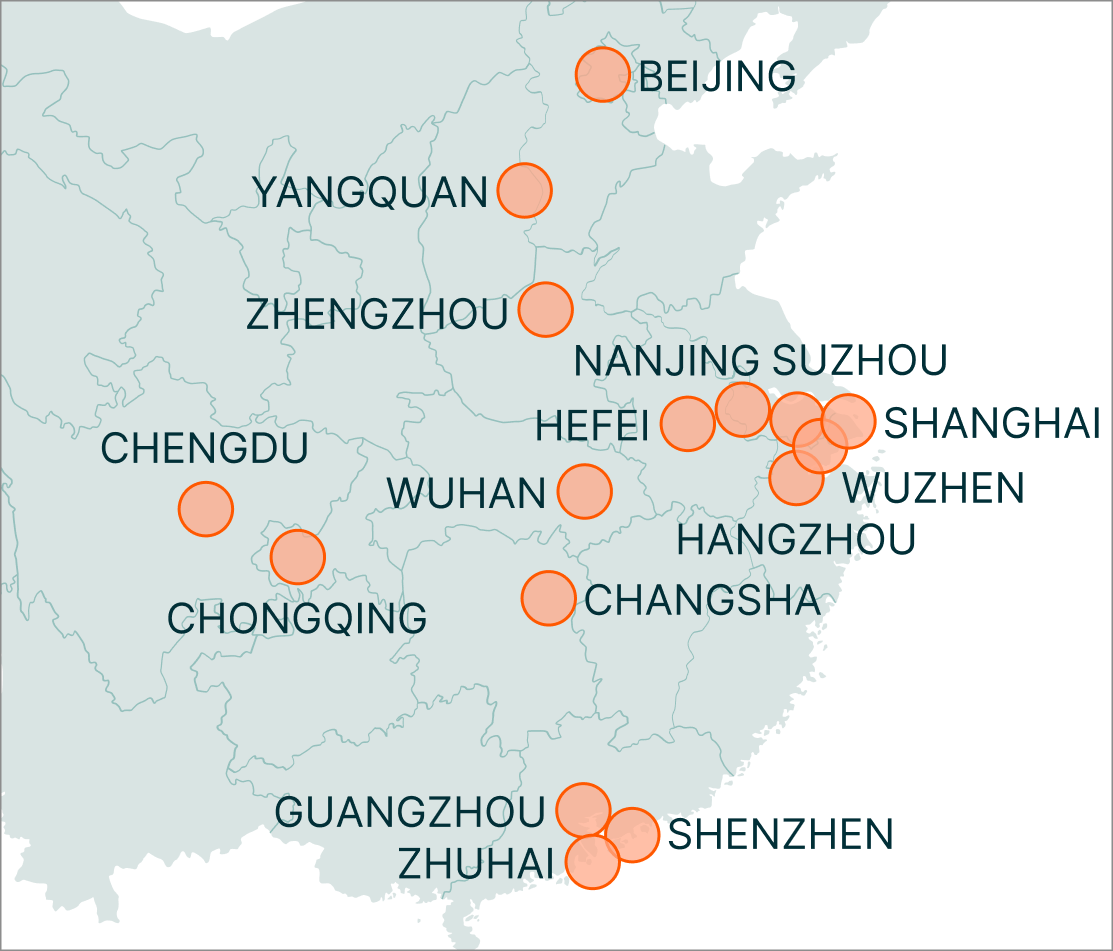
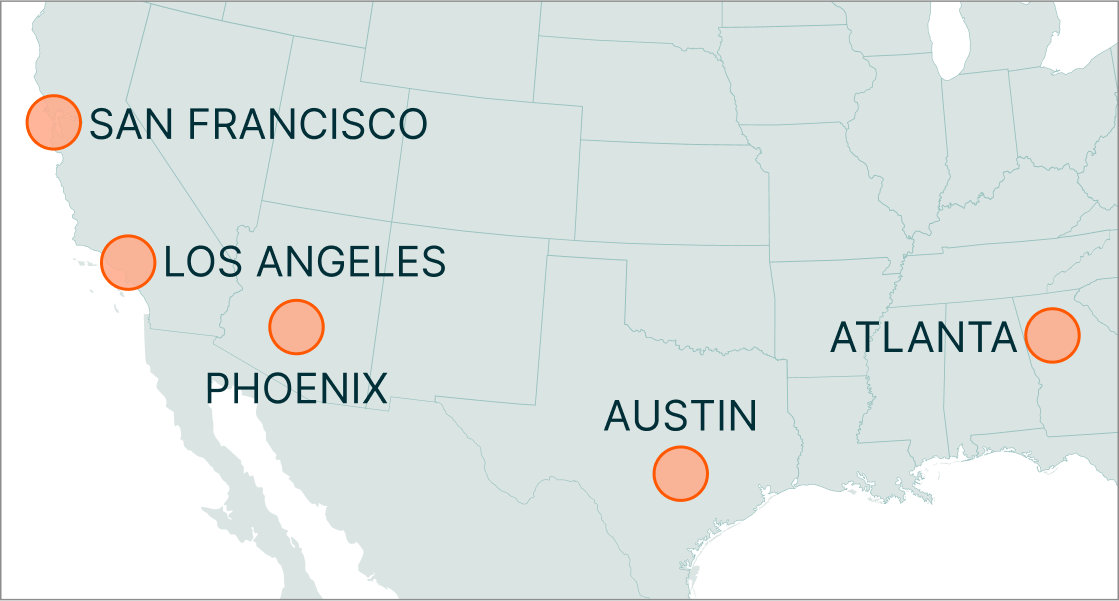
The transportation sector represents the most visible application of physical AI, with autonomous vehicles now widely deployed nationwide and robotaxis launching through phased, geofenced deployments in major U.S. cities.
Beyond providing convenience and increased driver safety, self-driving vehicles could have a profound impact, with the potential to boost global GDP and serve as a template for physical AI to scale across other industries. These deployments are critical testing grounds for AI decision-making that will help define the physical AI revolution.
Cities Where Self-Driving Taxis Are Operational6




The Trillion-Dollar Humanoid Robot Opportunity?
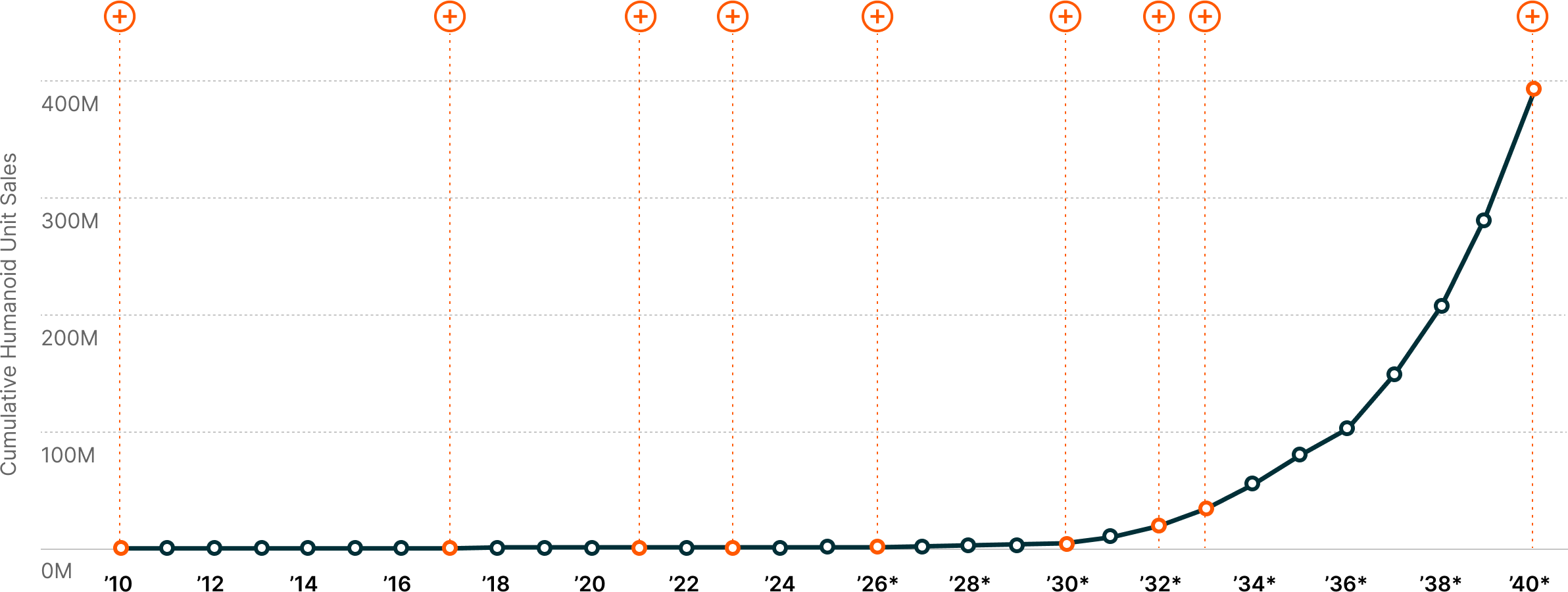
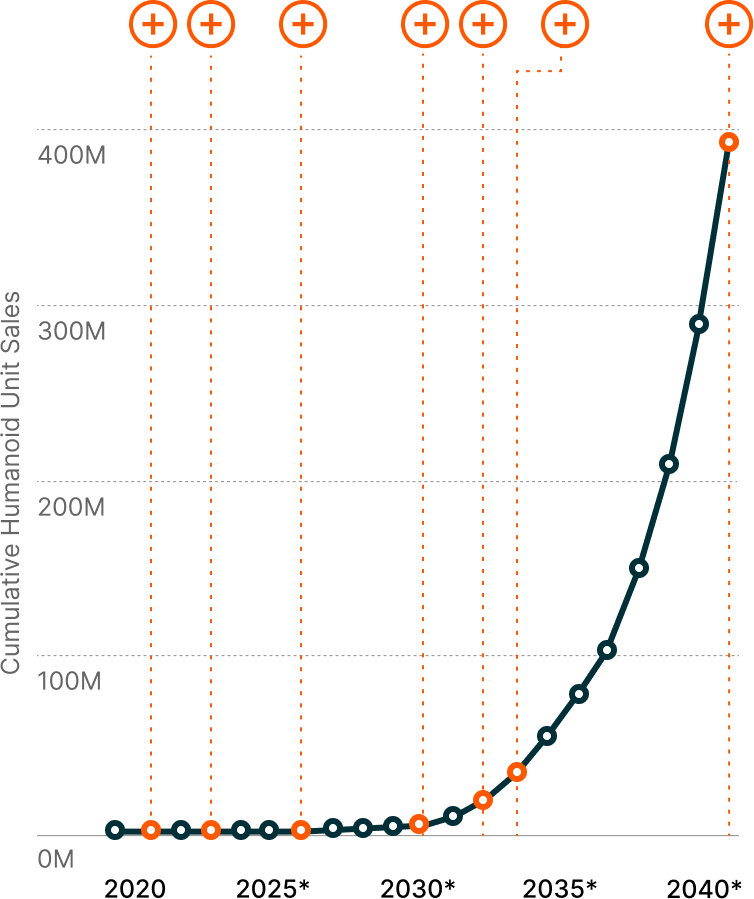
General-purpose humanoid robots — machines that perform complex tasks across multiple environments — represent the culmination of physical AI. Though still in development, rapid progress driven by AI brings industry leaders closer to mass production.7
The global humanoids market could reach $4.85 trillion by 2035, with nearly 100 million units potentially sold.8 The trajectory of humanoid adoption could mirror early automobile sales, with increasing ownership rates making household and commercial humanoids commonplace.
2035 Global Humanoids Total Addressable Market9






Tech Advancements Fueling Opportunities for Humanoid Market10
There is no guarantee that any trends observed in this material will continue. Any views / opinions are based on current market conditions and are subject to change
CASE STUDY
Robotic warehouse systems powered by AI provide department stores and others with automation capabilities to match the increased pace of the digital economy.
Robotic warehouse systems powered by AI provide Walmart and others with automation capabilities to match the increased pace of the digital economy.